
Last updated November 15, 2026
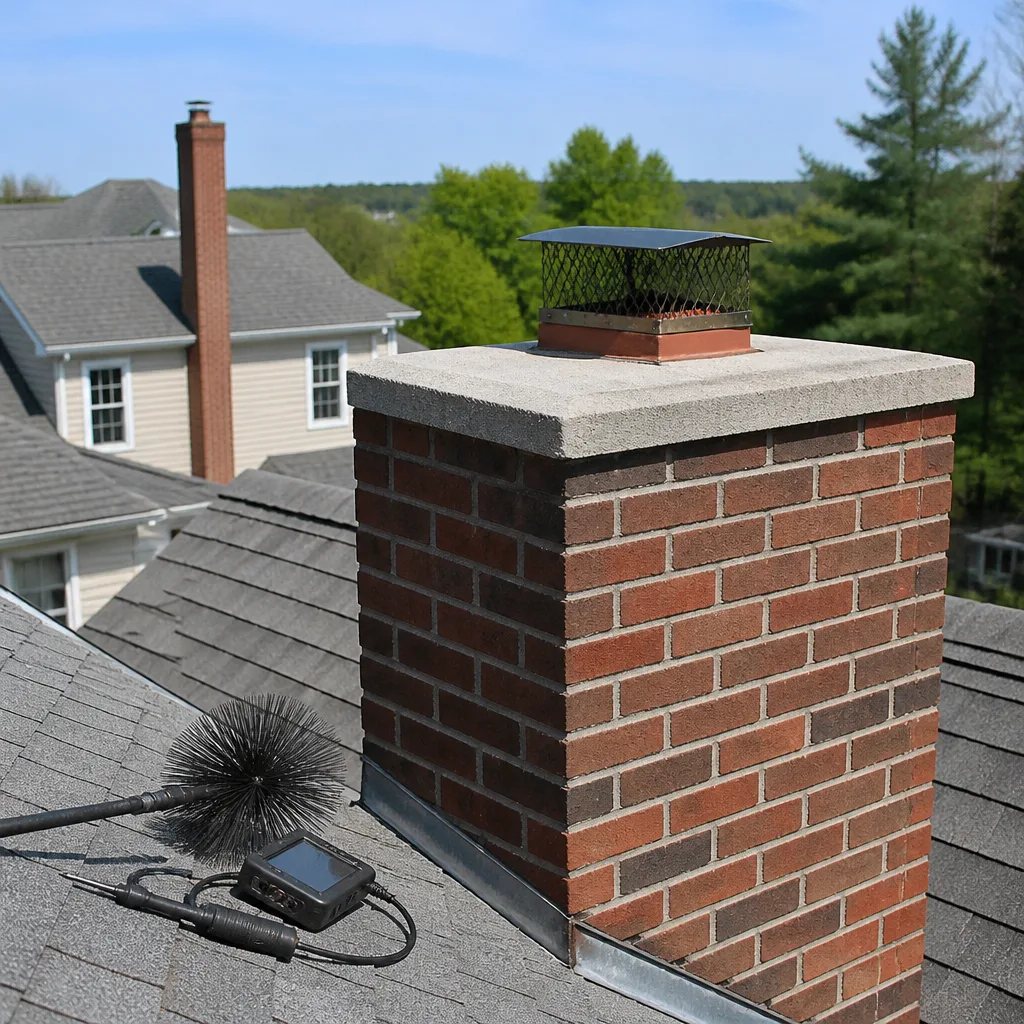 Sweep & inspection
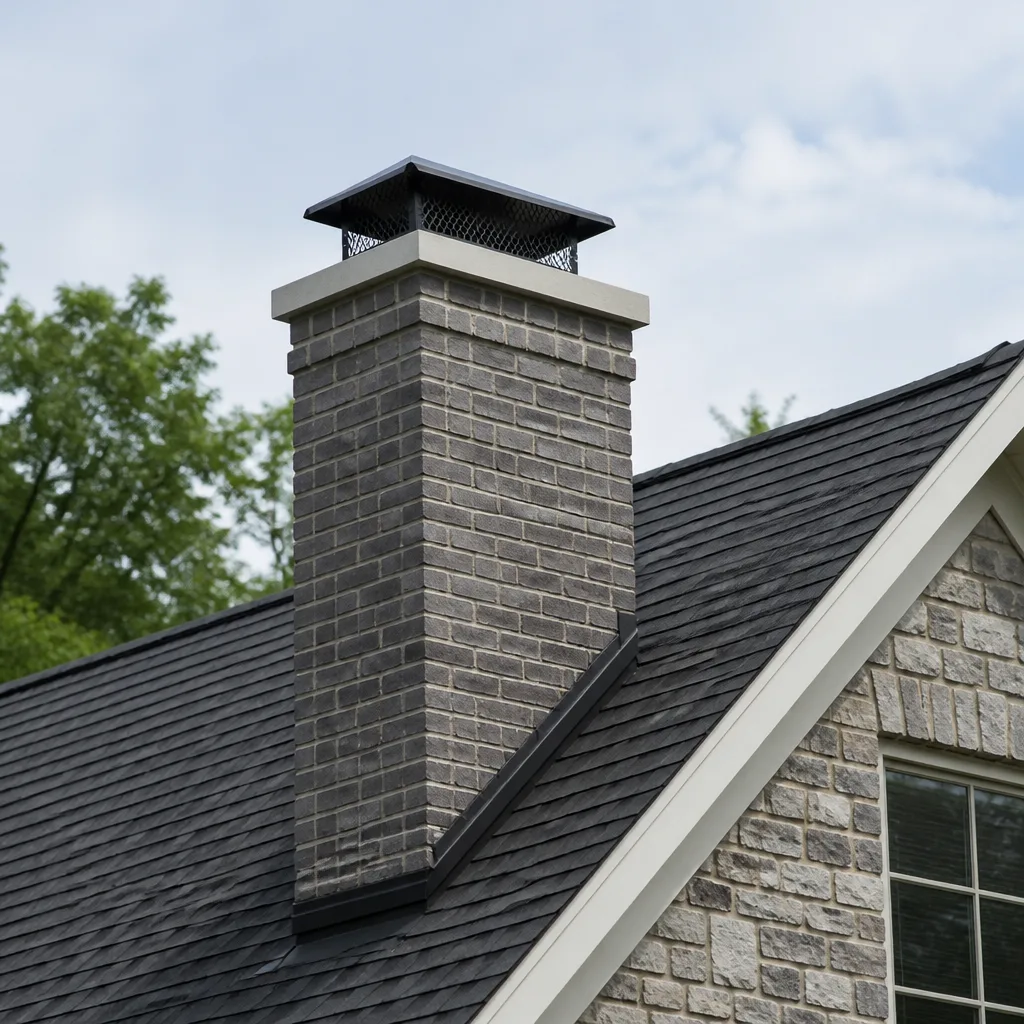 Caps & crowns
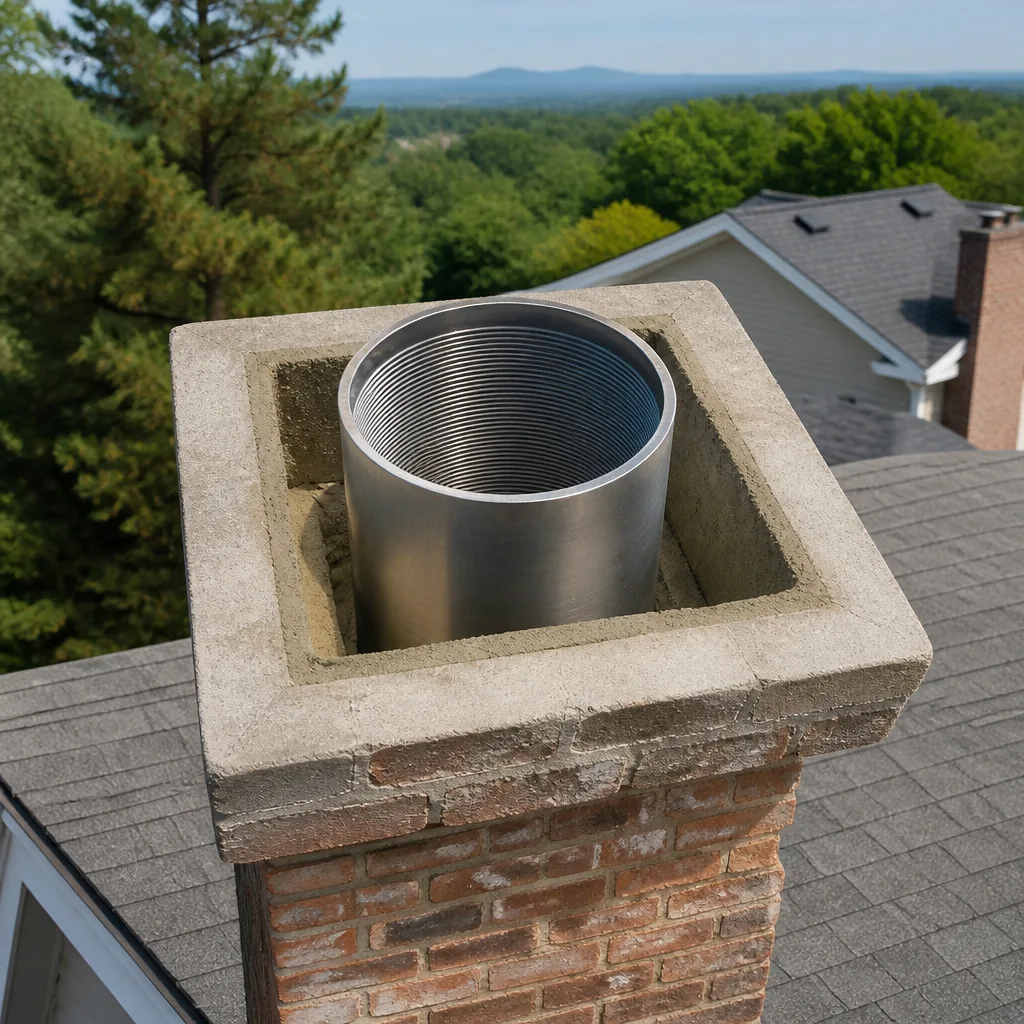 Flue relining
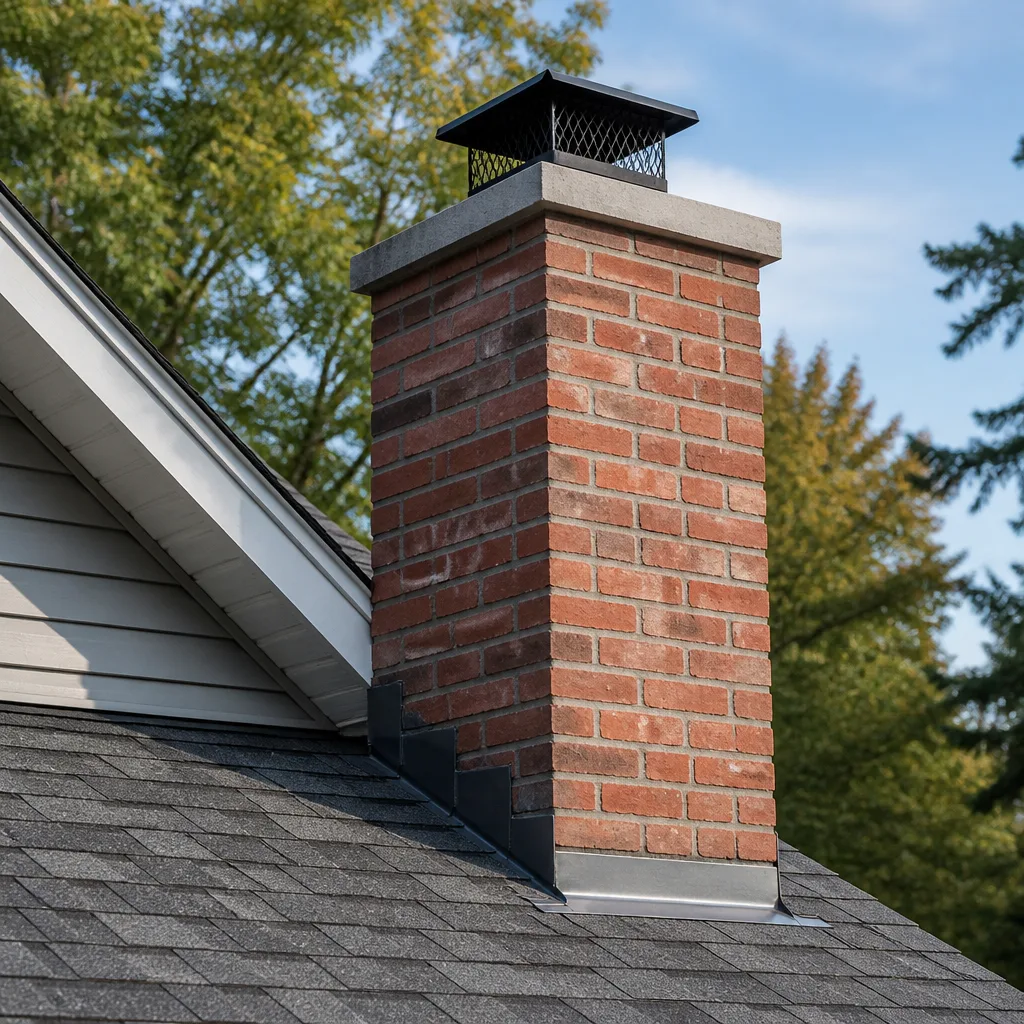 Masonry repair
 Gas fireplace service
Level 1 sweep and inspection to the NFPA 211 annual standard - flue, crown, cap, and flashing checked and photographed
Chimney sweep logs do not sweep chimneys. They loosen some creosote - which then falls where a brush and vacuum still have to collect it.
Chimney Cleaning Permits, Codes & Inspections in Broken Arrow, OK: What You Need to Know
Most homeowners assume the hard part of chimney care is the cleaning itself. It isn’t. The cleaning is routine. The confusion starts after the sweep, when the technician finds a cracked firebox, a failing liner, or a cap that’s rusted through. A routine chimney cleaning revealed a cracked firebox, the repair was done without a permit, and two years later the homeowner couldn’t close a sale until it was re-inspected and documented. That’s not a scare story; it’s the ordinary gap between maintenance and regulated construction work. In Broken Arrow, cleaning your chimney doesn’t require a permit. Rebuilding part of it often does. This guide walks through where that line sits, how Oklahoma and NFPA 211 fit together, and how to check permit history before you buy a home.
Quick Answer
In Broken Arrow, OK, routine chimney cleaning and sweeping do not require a permit, but structural repairs – liner replacement, firebox rebuilding, masonry work, and some cap installations – typically do. All chimney work should follow NFPA 211, the national standard Oklahoma inspectors and contractors reference. If you’re buying a home, ask the seller for permit records on any chimney work before you close.
Styles & brands we work with
- Sweep & inspection
- Caps & crowns
- Flue relining
- Masonry repair
- Gas fireplace service
Table of Contents
- Where the Permit Line Sits in Broken Arrow
- How NFPA 211 Applies to Chimney Work in Oklahoma
- When a Liner, Firebox, or Cap Crosses Into Permitted Work
- How to Verify Permit Status Before Buying a Home
- What a Broken Arrow Home Inspector Looks For
- How Unpermitted Work Shows Up on Inspection
- Maintenance vs. Construction: A Simple Framework
- Why Broken Arrow’s Climate Matters for Chimney Code
Where the Permit Line Sits in Broken Arrow
Cleaning a chimney is maintenance. It removes creosote, soot, and debris from a flue that’s already built. No permit covers that, and none should. The moment work changes the structure of the chimney system – its shape, its materials, or how it vents – you’re in construction territory. That’s where the City of Broken Arrow’s building permit rules come in.
A useful way to think about it: a permit exists so a third party can confirm the work meets code before it’s covered up. A sweep doesn’t get covered up. A new liner does. A rebuilt firebox does. A crown replacement that changes the chimney’s profile does. Those are the jobs that leave a permanent record inside your chimney, and that record matters later.
In practice, here’s how most Broken Arrow homeowners sort it out:
- No permit typically needed: routine sweeping, creosote removal, and visual inspection.
- May need a permit: chimney cap replacement when it changes the flue termination, damper replacement involving masonry work, and flue tile repair.
- Usually needs a permit: stainless liner installation, firebox rebuild, masonry repair to the chimney chase, crown reconstruction, and any work that alters the chimney’s height or structure.
None of that is a universal rule you can copy from one city to the next. Broken Arrow has its own permitting process, and the safest move before any repair is a call to the city’s building department with a plain description of what’s being done. We’ve seen homeowners assume a repair was “just maintenance” when it wasn’t, and the cost of that assumption shows up years later. Getting the permit question answered before work starts is cheaper than resolving it after.
How NFPA 211 Applies to Chimney Work in Oklahoma
NFPA 211 is the national standard for chimneys, fireplaces, vents, and solid fuel-burning appliances. It’s the document that tells a contractor how thick a chimney wall needs to be, how far a flue must be from combustible material, and what clearance a connector needs. Oklahoma doesn’t publish a separate statewide chimney code that replaces it. Local jurisdictions, including Broken Arrow, build their permitting and inspection processes on top of nationally recognized standards, and NFPA 211 is the one anyone working on your chimney should be following.
What that means for you as a homeowner:
- Your contractor should be able to name the standard. If you ask what code governs a liner installation and you get a vague answer, that’s a red flag. NFPA 211 should come up naturally.
- Clearances aren’t suggestions. The required distance between a flue and combustible framing is one of the most frequently violated items we find during inspection. It’s also one of the hardest to fix after the fact.
- Inspection levels are defined. NFPA 211 sets out three levels of inspection – Level 1, 2, and 3 – based on how much access and investigation the situation requires. A Level 2 inspection, which includes video scanning of the flue, is what’s expected after a chimney fire, after a change in fuel type, or during a real estate transaction.
- It governs repairs, not just installations. A firebox rebuild or a crown repair should bring the chimney back to standard, not just to “looks fine from the driveway.”
When we inspect a home in Broken Arrow, the report we hand you is built around those standards. That’s not bureaucratic caution. It’s the language your insurance company, your home inspector, and a future buyer’s inspector will all be speaking. Having the work documented in that framework saves headaches later.
If you’re scheduling a routine chimney sweep, the sweep itself is your maintenance visit. The inspection that goes with it is where NFPA 211 starts to matter, because it’s how anyone – you, a contractor, or a buyer’s inspector – learns whether your chimney still meets the standard it was built to.
When a Liner, Firebox, or Cap Crosses Into Permitted Work
This is the section most homeowners end up needing, and it’s the one most often skimmed. Here’s a breakdown of the three common repairs and where each tends to land on the permit question in Broken Arrow.
Chimney Liner Replacement
A liner replacement is usually the clearest case for a permit. You’re installing a new flue system inside the existing chimney chase, and the installation has to meet clearance requirements, connection requirements, and manufacturer specifications. A stainless liner from a known manufacturer like DuraFlex is a structural change to how the chimney vents. The city wants to see that before it’s sealed inside a chase, and the paperwork matters if you ever sell.
In our experience, a liner job is also where the permit question gets skipped most often – not out of bad intent, but because the work happens inside the chimney and nobody thinks to ask. Ask anyway. Your future buyer’s inspector will.
Firebox Rebuild
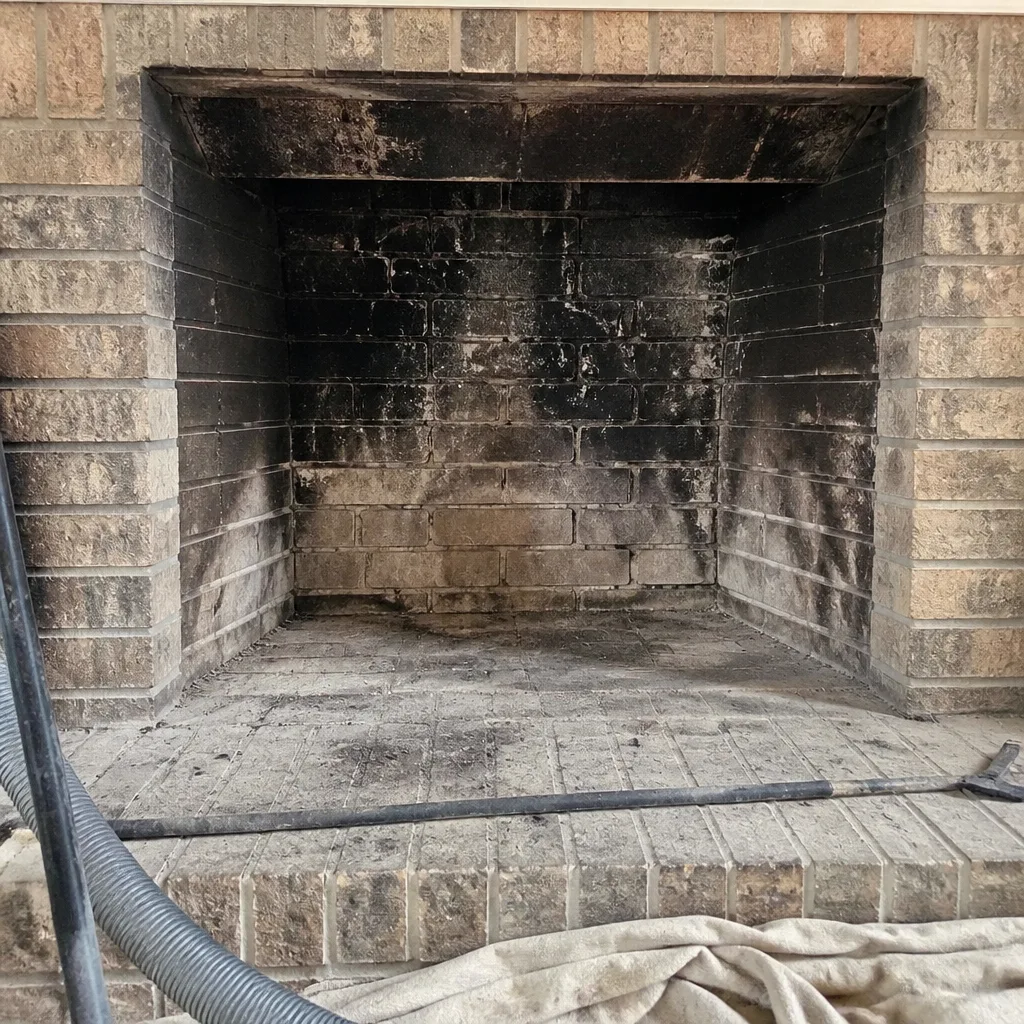
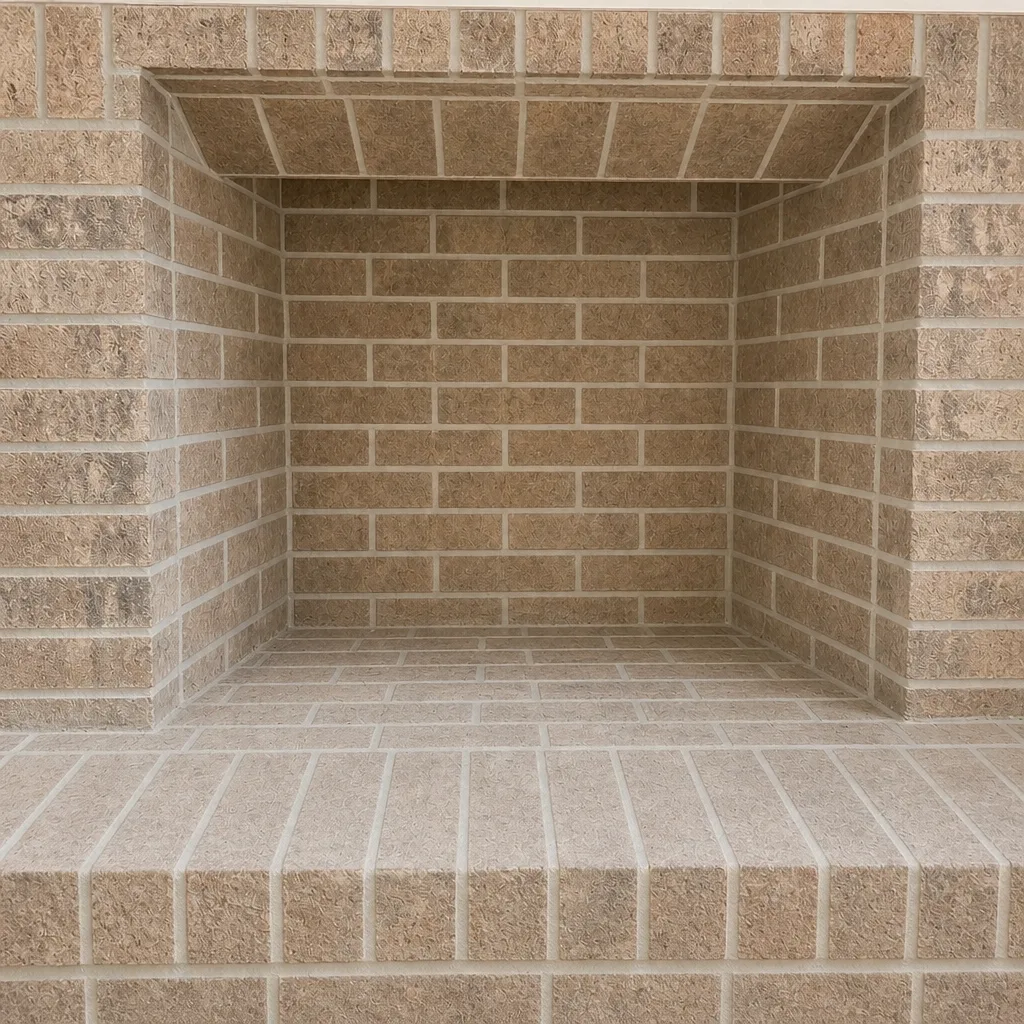
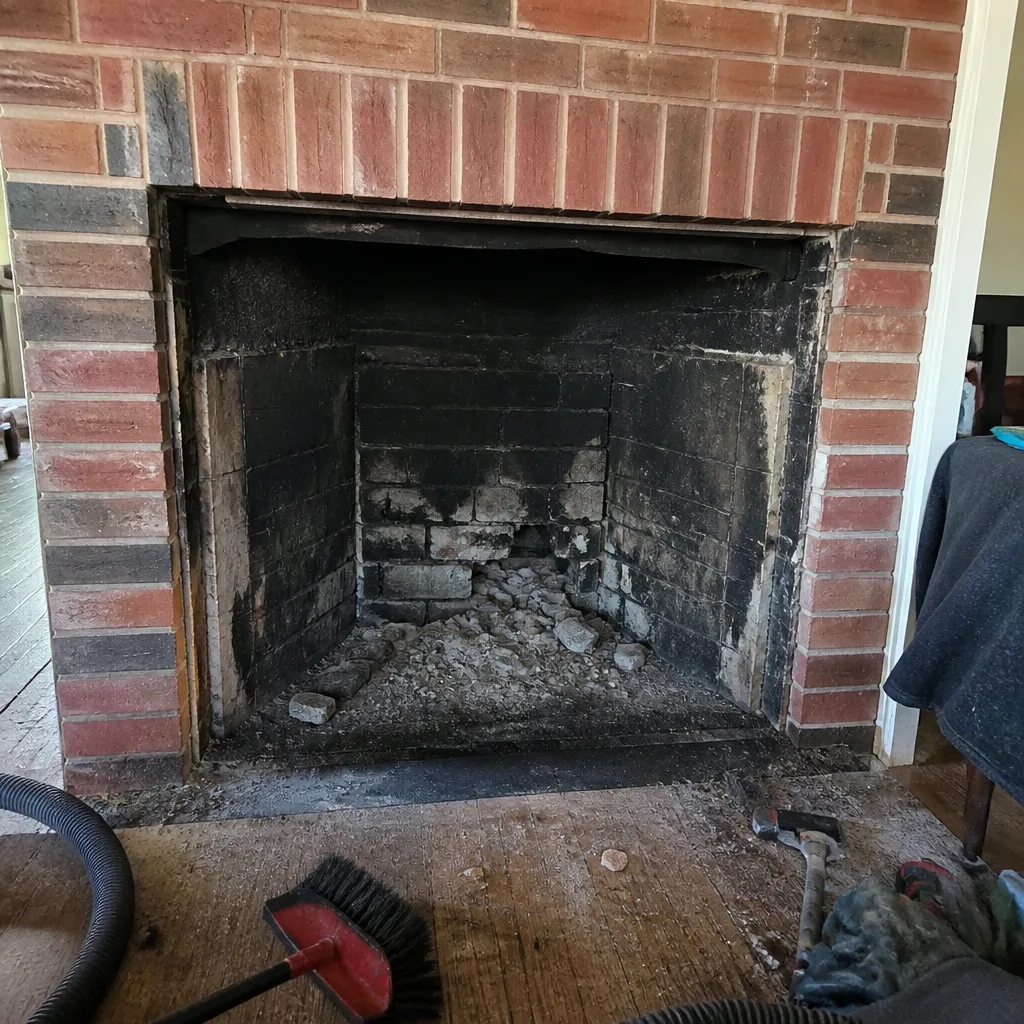
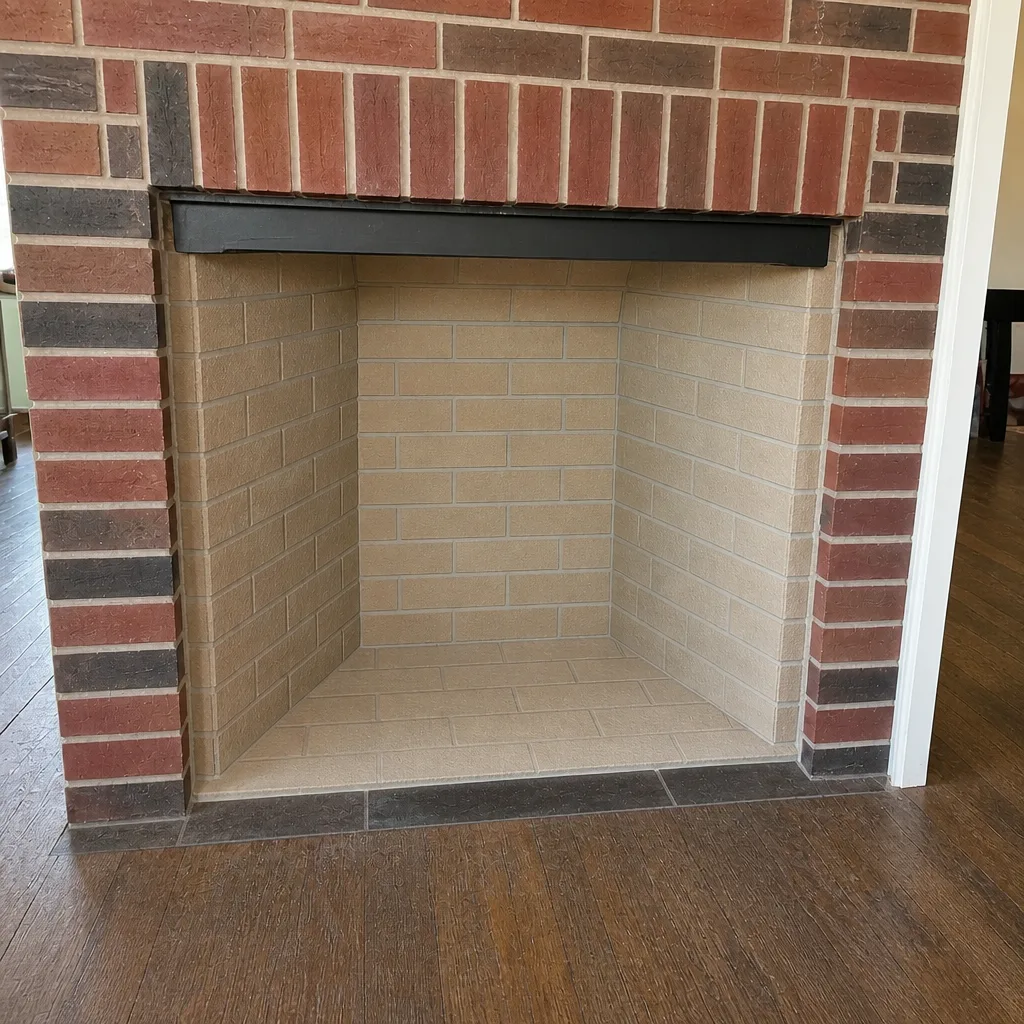
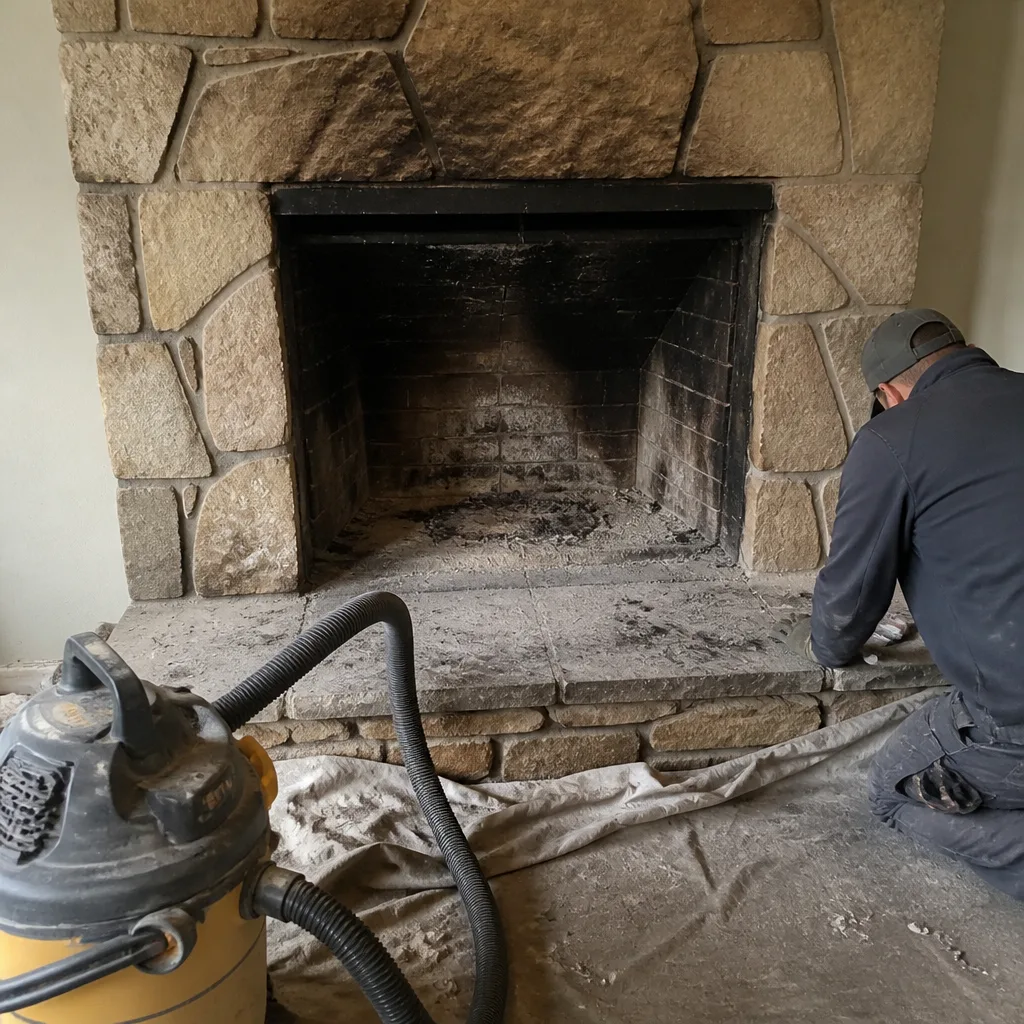
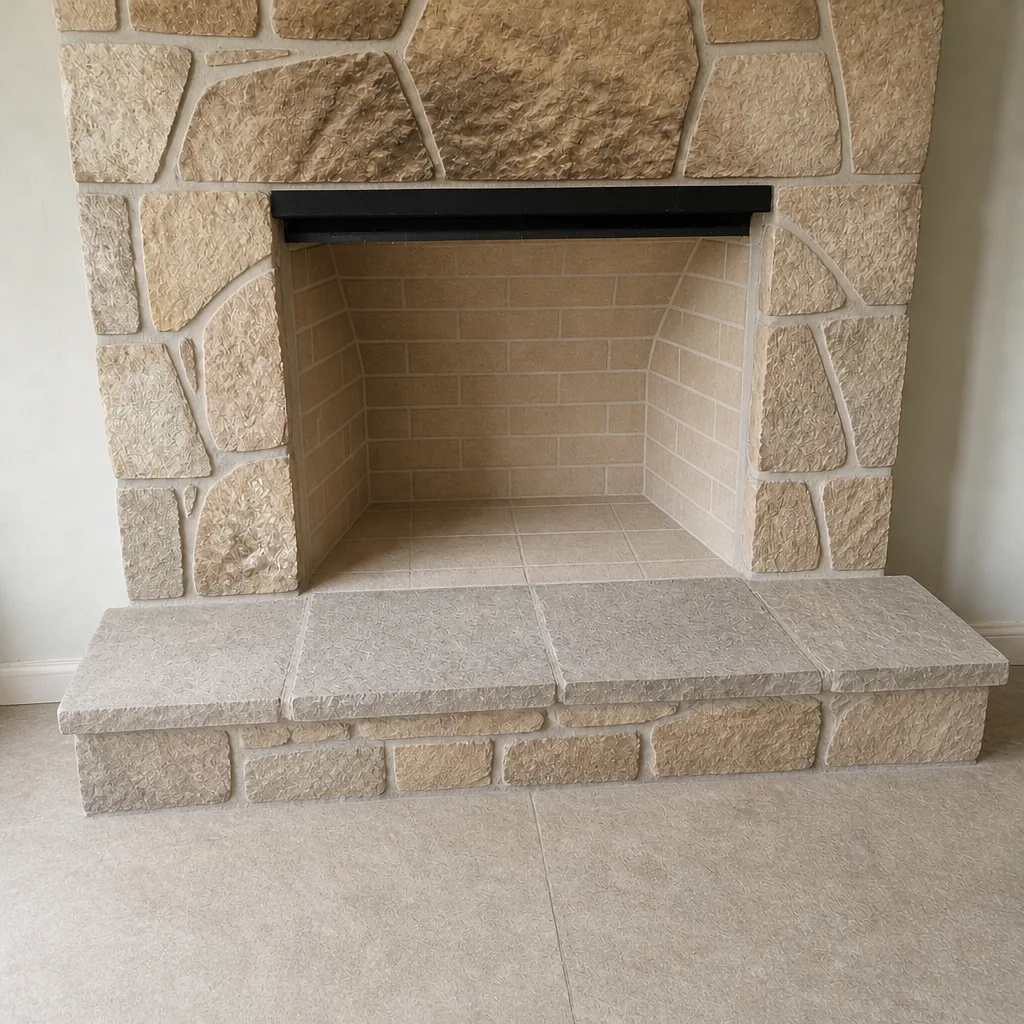
A firebox rebuild involves removing and replacing masonry or refractory material that’s directly exposed to fire. That’s a structural repair. It’s typically permit territory, and it should be documented. HeatShield resurfacing is often used for firebox and flue repair because it restores a smooth, protective surface inside the chimney rather than just patching a crack – the right material for a lasting fix, and the kind of thing a permit inspection is designed to confirm was done properly.
Cap Installation and Damper Work
Caps are the gray area. Swapping a simple cap that fails from rust can be a like-for-like replacement that doesn’t change the venting system. Installing a new cap that alters the flue termination, changes the height, or adds a new component can cross the line. Damper work follows the same logic: replacing a damper assembly may require masonry work, and masonry work usually pulls a permit. When we install a Gelco or Copperfield cap, we tell the homeowner which category it falls into before we touch it, so there are no surprises after the fact. For anything beyond a straight replacement, the answer is to check with the city first.
If the repair has already been recommended, the next step is a documented plan. Our chimney repair service is built that way: the same inspection that found the problem produces the scope of work, and we tell you plainly whether the job needs a permit.
How to Verify Permit Status Before Buying a Home
Buying a home in Broken Arrow with a fireplace means inheriting whatever work the last owner did or didn’t permit. Checking is straightforward, and it’s worth doing before closing rather than after.
- Ask the seller for any chimney-related receipts and permits. A permitted job leaves a paper trail: an application, an inspection record, and sometimes a final sign-off. If the seller can’t produce anything, that’s information.
- Check with the City of Broken Arrow’s building department. Permit records are public. Ask specifically about chimney work at the address – liner replacement, firebox repair, masonry work, cap installation. A quick record search tells you whether the work was ever reviewed.
- Request a Level 2 inspection if there’s any gap in the paper trail. A Level 2 inspection includes video scanning of the flue and a look at accessible areas of the chimney. It documents what’s actually there, not what the records say.
- Compare the records to the chimney as it sits today. If a permit shows a liner installation but the inspection shows a different setup, you’ve found a mismatch worth resolving before closing.
- Get it in writing. If the seller agrees to fix something, put the scope and the permit requirement in the contract. Verbal assurances don’t close sales two years later; documented work does.
We’ve been called into Broken Arrow homes during the inspection period specifically to produce that written record. It’s a small cost compared to discovering an unpermitted liner after you own the house. If you’re working with a Broken Arrow real estate agent, ask whether they’ve pulled the permit history – many don’t, and it’s the detail most likely to surface at the worst possible moment.
What a Broken Arrow Home Inspector Looks For
A general home inspector covers a lot of ground in a few hours, and the chimney is one component of many. What they look at is specific, though, and it’s worth knowing what lands in the report.
- Visible masonry condition. Cracks in the chimney exterior, spalling brick, and deteriorating mortar joints get flagged. In Broken Arrow, freeze-thaw cycles in winter and summer heat both stress masonry, so these aren’t unusual findings.
- The firebox interior. Cracks, missing mortar joints, and damaged refractory panels are looked at closely. A firebox that’s been patched badly shows up here.
- The damper. Whether it opens, closes, and seals properly.
- Clearances to combustibles. This is where unpermitted work often fails. Inspector see framing or insulation too close to a flue that’s been modified without the proper clearance.
- The cap and crown. Whether a cap is present, whether it fits, and whether the crown is shedding water away from the flue.
- Signs of creosote buildup and previous chimney fires. Discoloration, warped components, and heavy creosote deposits all get noted.
- Documentation gaps. If a liner is present but no permit exists, inspectors flag it – not because the liner is necessarily wrong, but because it can’t be verified as installed to standard.
General inspectors are doing a visual walkthrough, which is why a dedicated chimney inspection from a chimney professional goes further. We can camera-inspect the flue, check the interior of the chimney chase, and document clearances that a generalist inspection isn’t equipped to evaluate. If your home inspector flagged the chimney, that’s exactly the moment to schedule a focused inspection.
How Unpermitted Work Shows Up on Inspection
Unpermitted chimney work doesn’t announce itself. The chimney is concealed by design – masonry walls, a chase, a flue that runs from the firebox to the top of the house. What you can see from the outside rarely tells you what’s happening inside. But certain patterns show up again and again.
- Mismatched materials. A liner that doesn’t match the fireplace’s fuel type, or masonry that doesn’t match the original construction, suggests something was replaced without oversight.
- Improper clearances. Wood framing or insulation resting against the flue is one of the clearest signs someone modified the system without checking the standard.
- No access panel or cleanout where one should be. Proper installations include required access. Missing it points to a shortcut.
- Adhesive or sealant where masonry should be. Chimneys are built with high-temperature materials. Ordinary construction adhesive or standard caulk doesn’t belong in the firebox or on the flue.
- The cap doesn’t fit the flue. A cap sitting loose or skewed on a flue can signal a replacement that wasn’t sized correctly.
- Missing documentation. Often the strongest evidence is simply the absence of a paper trail. A homeowner who had a liner installed but can’t produce a permit or an installation record is telling you something.
None of these confirm unpermitted work on its own. But when several show up together, it’s worth having a professional inspection and comparing findings to whatever records exist. We’ve walked homeowners through this many times in Broken Arrow, and the job is always easier when it starts from facts rather than assumptions.
Maintenance vs. Construction: A Simple Framework
You don’t need to memorize a code book. You need a reliable way to sort any given chimney task into one of two buckets, and then a habit of asking before work starts. Here’s the framework we use.
- Ask: does this change the chimney’s structure or venting? Sweeping removes deposits from an existing flue. It doesn’t change the flue. Liner installation, masonry repair, a firebox rebuild, or a crown reconstruction all change the structure. Those are the jobs that carry a permit question.
- Ask: will the work be concealed once it’s done? A liner disappears inside the chase. A rebuilt firebox gets covered with new refractory material. A permit exists partly so the work can be inspected before it’s hidden. A sweep leaves nothing hidden, so the same logic doesn’t apply.
- Ask: does the job affect safety systems you can’t see? Clearances, venting, and combustion air are the invisible parts of a chimney that matter most. Anything touching them deserves the permit review.
- Then ask the City of Broken Arrow building department. The framework narrows it down. The city gives you the final word. It’s a phone call, and it’s faster than the conversation you’d have with a buyer’s inspector years from now.
We follow this same order on every job. The inspection comes first, the scope of work gets written down, and then we talk about whether a permit is needed before anything is installed or rebuilt. That sequence keeps the conversation honest and keeps the paperwork complete.
Why Broken Arrow’s Climate Matters for Chimney Code
Broken Arrow sits in a climate that swings hard. Hot, humid summers followed by winters with repeated freezes and thaws. Those swings matter for chimney systems, and they matter for how code compliance plays out in practice.
Freeze-thaw cycles work on masonry over time. Water gets into small cracks or porous brick, freezes, expands, and widens those cracks season by season. A crown that isn’t shedding water properly accelerates the damage. Mortar joints that are already softening get worse. That’s why chimney repairs in Broken Arrow often involve masonry that looks fine at the start of summer and shows real deterioration after a hard winter. It’s also why doing a repair right the first time – with materials meant for the application, not quick patches – saves money over the alternative. A rebuilt crown or a properly resurfaced firebox holds up; a shove of mortar over a hairline crack doesn’t.
On the code side, this climate reality puts more weight on the permit question. A masonry repair done without a permit might pass inspection visually today and fail one or two winters down the line, when the work that should have been documented isn’t there to fall back on. And once a buyer’s inspector starts asking questions, having the permit record – for a liner installation, a firebox rebuild, or a masonry repair – turns an uncertain situation into a clean sale.
If you’re doing the math on chimney maintenance timing, the practical cutoff is the front end of burning season, not the middle of it. A sweep and inspection before you start using the fireplace in fall gives you time to schedule any needed repair without pressure. If a repair is needed and it lands in the permit category, that timing also gives you room to get the paperwork sorted before winter sets in.
Common Mistakes to Avoid
- Assuming all chimney work is maintenance. Cleaning isn’t construction, but a liner, firebox, or masonry repair often is. Treat the two separately and get the permit answer before work starts, not after.
- Accepting verbal assurances about permits. If a contractor says “we don’t need one for this,” ask them to explain why, and then confirm with the City of Broken Arrow. A verbal yes without a paper trail is not a paper trail.
- Skipping the permit history during a home purchase. Broken Arrow has a lot of older homes with fireplaces, and the permit history is easy to check before closing. It’s much harder to untangle later.
- Choosing a contractor who can only inspect, not repair. A report is only useful if the person who wrote it can also do the work. Otherwise you’re re-explaining the problem to a stranger next week, with no shared context.
- Letting a bad repair get patched over. Quick patches on a failing firebox or a cracked crown look fine for a season. The underlying problem doesn’t go away, and neither does the documentation gap.
- Ignoring creosote because the fireplace “works fine.” A working fireplace can still have hazardous creosote buildup in the flue. The standard is annual sweeping and inspection for a reason, and it applies whether or not the fire draws well.
- Skipping the permit question on a DIY repair. Even when the homeowner is doing the work themselves, many jurisdictions require the same permit. It’s the same paperwork either way, and skipping it complicates insurance and resale just as much.
See the difference
 Before
 After
 Before
 After
 Before
 After
When to Call a Professional
Some jobs genuinely belong in the hands of a professional, and the ones below qualify. A failing liner, cracked firebox, or damaged crown are safety systems, not cosmetic items; high-temperature components inside a chimney can hurt someone badly if they’re worked on without the right tools and training. Call us when a general inspector flags a chimney issue and you need a chimney-specific opinion, when you’re buying a home in Broken Arrow and there’s no permit history past the existing setup, or when a repair has been recommended and you want a second, independent read before committing. We’ll also tell you plainly when work can wait, because not every finding is urgent. Flagship Chimney Sweep offers free estimates in Broken Arrow – call (866) 389-4464. We answer 24/7. Fast dispatch from 7am to 7pm, Sunday through Friday.
Frequently Asked Questions
No. Routine chimney sweeping and creosote removal are maintenance and don’t require a permit in Broken Arrow. Structural repairs, liner installations, firebox rebuilds, and most masonry work usually do. Confirm the specific job with the City of Broken Arrow’s building department before work begins. Call (866) 389-4464 for an exact quote – estimates are free.
Yes. NFPA 211, the national standard for chimneys and solid fuel-burning appliances, is the reference standard any chimney contractor working in Oklahoma should follow. Broken Arrow’s permitting and inspection process is built on top of those national standards. Ask any contractor you’re considering which standard they work to; the answer should come easily. Call (866) 389-4464 if you want the standard explained for your specific chimney.
In most cases, yes. A liner replacement changes the venting system and is usually treated as permitted work because it has to meet clearance and connection requirements before being sealed inside the chase. Confirm with the city before installing. Our Flagship Chimney Sweep team can inspect your current liner and tell you whether a replacement is needed and what documentation it carries.
Ask the seller for receipts and permits, then check the permit records with the City of Broken Arrow’s building department, and request a Level 2 inspection if there’s any gap in the paper trail. Compare the records to what’s actually in the chimney today. Doing this during the inspection period saves you from inheriting an unpermitted repair. Call (866) 389-4464 for a Level 2 inspection and photo report you can use during the purchase.
Once a year for both, as a general rule, and more often if you burn wood heavily or notice performance changes. Annual inspection catches liner and masonry issues early, before they turn into permitted repair work. The best time to schedule is ahead of burning season in fall. Call (866) 389-4464 and we’ll book a sweep and inspection together.
The work doesn’t automatically fail, but it becomes unverified, and that lack of verification is what buyers, insurers, and inspectors focus on. A Level 2 inspection can document the current condition, and the repair can be brought into compliance after the fact. It’s easier to fix before a sale than after. Call (866) 389-4464. We answer 24/7. Fast dispatch from 7am to 7pm, Sunday through Friday.
The Bottom Line
The line between maintenance and construction is the whole permit story in Broken Arrow. Sweeping is maintenance, and it never needs a permit. Liner replacement, firebox rebuilds, masonry repair, and anything that changes the chimney’s structure or venting are the other side of that line, and they usually do. NFPA 211 is the standard behind the local process, and it’s what should guide any inspection report you get. For homeowners buying in Broken Arrow, checking permit history before closing is the single most valuable step you can take. And for homeowners living in Broken Arrow, the pattern is simple: inspect first, document the scope, then ask the city. If you’re not sure which side of the line a recommendation falls on, our team at Broken Arrow can look at the chimney and tell you straight.
When a repair is needed, it pays to have one company from sweep to repair. We inspect it, we fix it, no runaround, and the same team that diagnosed the problem does the work with professional-grade materials – DuraFlex liners, HeatShield resurfacing, and Gelco caps, among others. Built to last, not built to get us back next season.
To get started on a sweep, an inspection, or a second opinion on a repair, call (866) 389-4464 for a free estimate. We answer 24/7. Fast dispatch from 7am to 7pm, Sunday through Friday.
Written by the team at Flagship Chimney Sweep.