
Last updated November 15, 2026
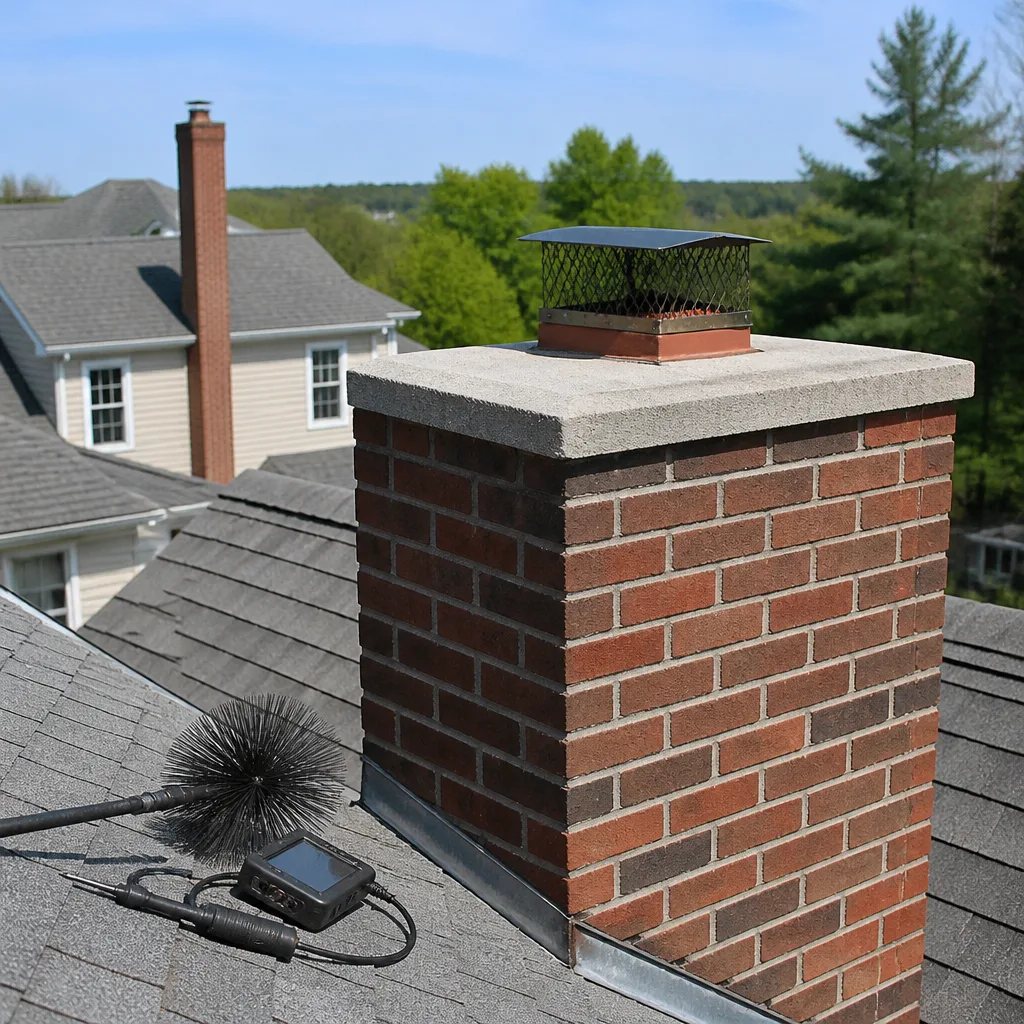 Sweep & inspection
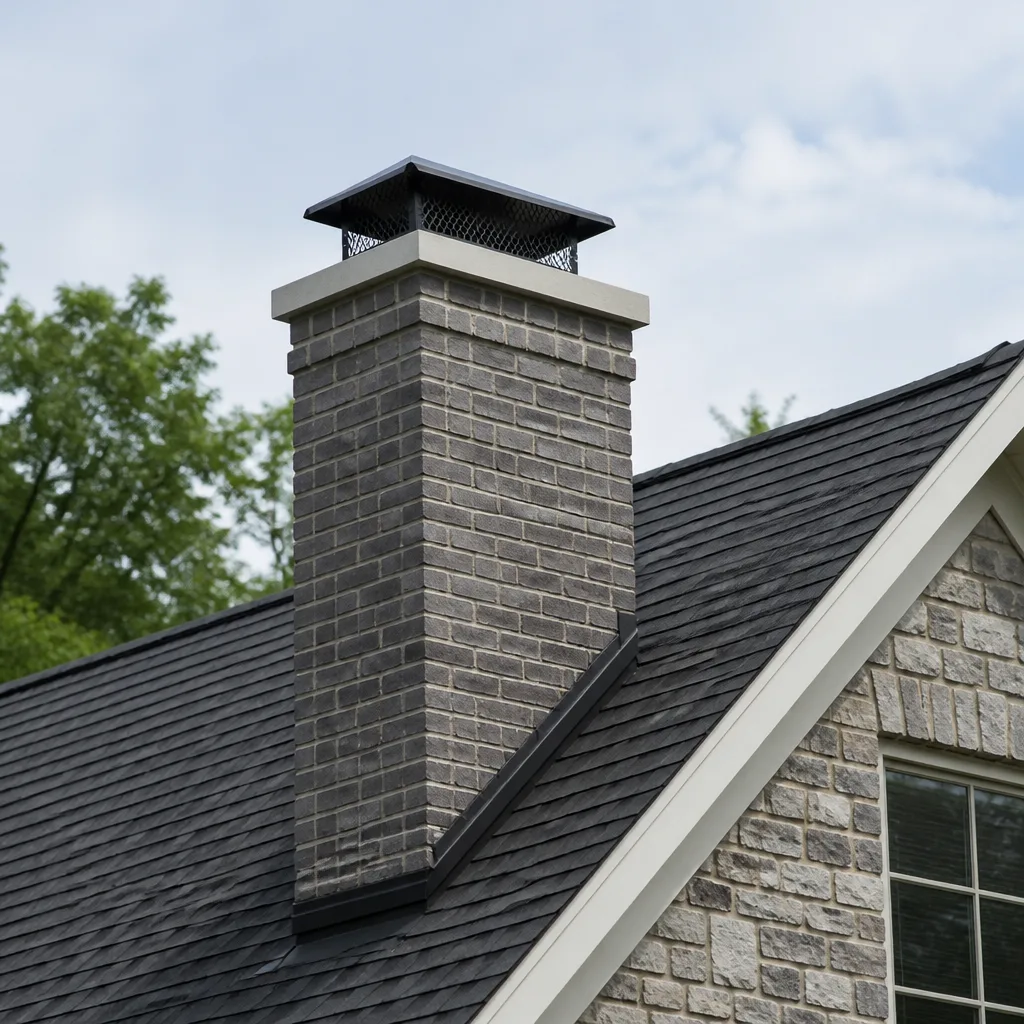 Caps & crowns
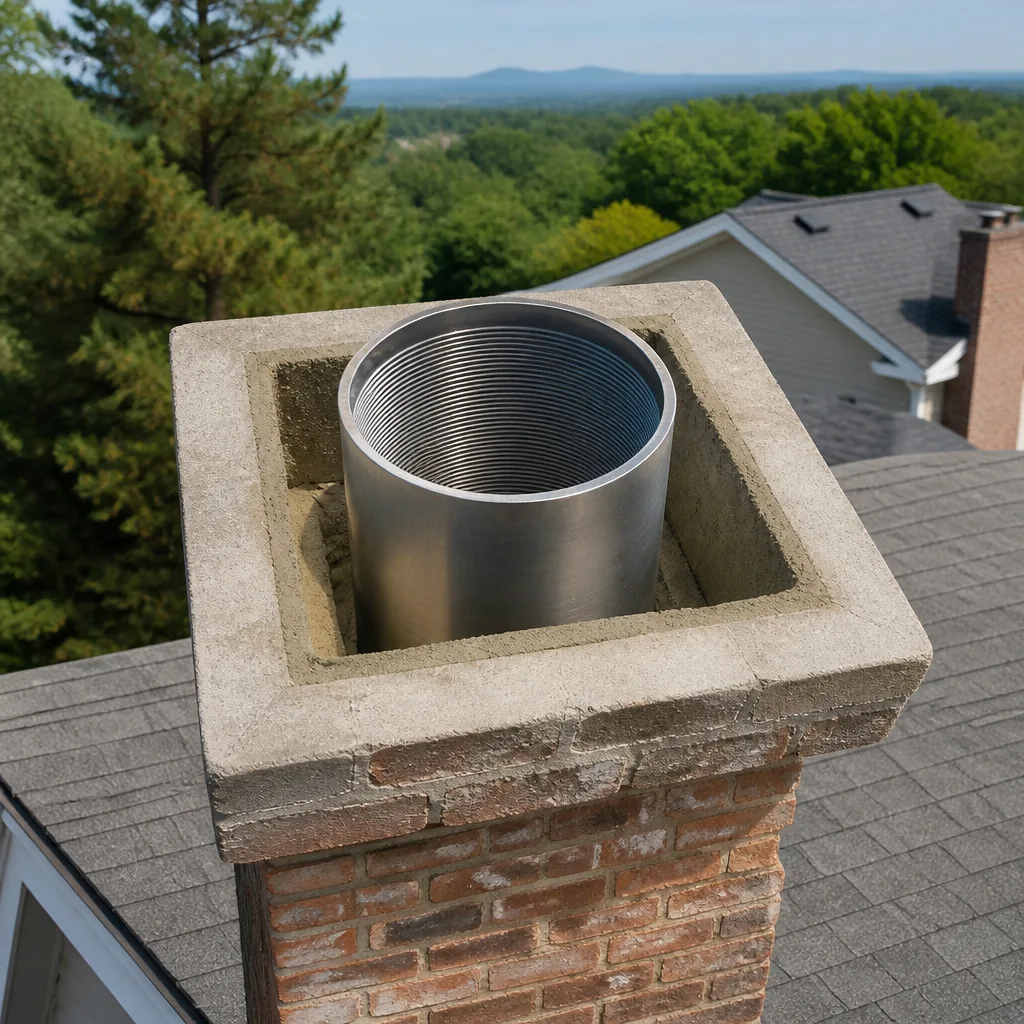 Flue relining
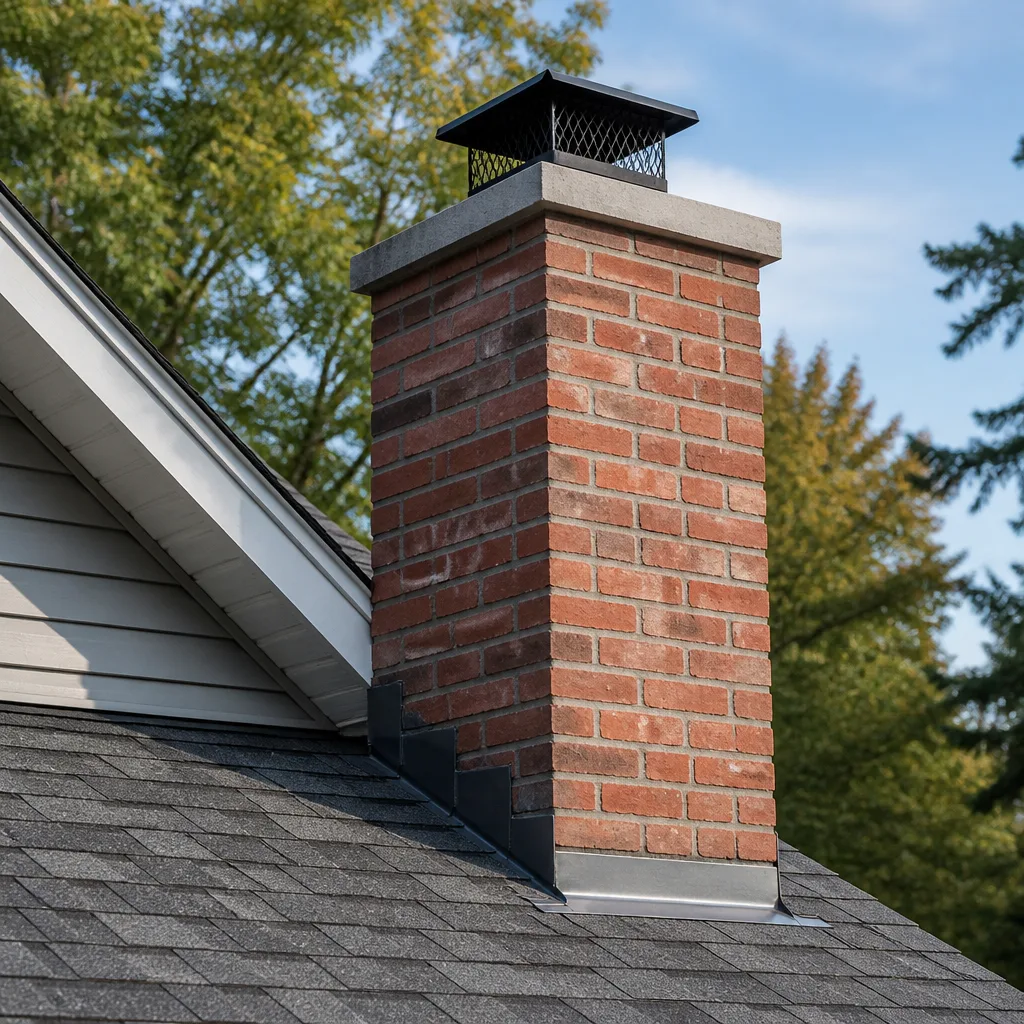 Masonry repair
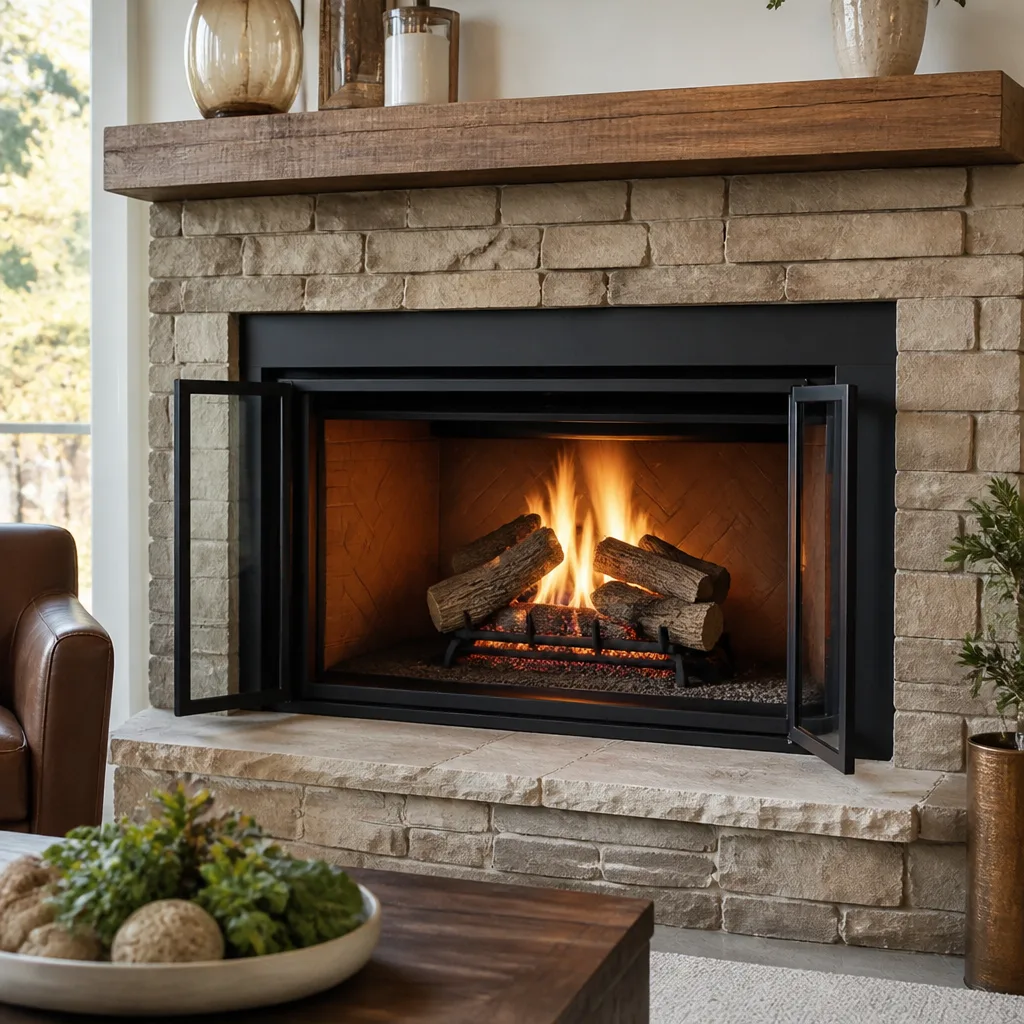 Gas fireplace service
Level 1 sweep and inspection to the NFPA 211 annual standard - flue, crown, cap, and flashing checked and photographed
Chimney sweep logs do not sweep chimneys. They loosen some creosote - which then falls where a brush and vacuum still have to collect it.
Chimney Cleaning Warning Signs: A Broken Arrow Homeowner’s Reference Guide
A smoky smell in a room with no fire burning isn’t a quirk of an old house. It’s a draft problem, and draft problems are one of the leading precursors to carbon monoxide events. Most homeowners in Broken Arrow walk past that smell for months because they’ve never been told what a chimney is supposed to smell like, or look like, when it’s healthy. This guide treats warning signs as diagnostic data rather than reasons to panic. You’ll learn how to read odors, what to look for inside the firebox, what you can spot from your own yard, and the difference between “schedule this soon” and “stop using this fireplace until someone looks at it.”
Quick Answer
The main chimney cleaning warning signs are a smoky or acrid smell inside the house when no fire is burning, dark staining or creosote buildup in the firebox, rust on the damper, gaps in exterior mortar joints, and sluggish or smoky fires that once drew well. Any of those means the chimney needs a professional inspection before you rely on it for another heating season.
Styles & brands we work with
- Sweep & inspection
- Caps & crowns
- Flue relining
- Masonry repair
- Gas fireplace service
Table of Contents
- The Smell Index: What Chimney Odors Actually Tell You
- Visual Signs Inside the Firebox Most Homeowners Walk Past
- Exterior Warning Signs You Can See From the Ground
- Draft and Draw Problems: When It’s Not the Wood
- How to Triage: Schedule Soon vs. Stop Using It Now
- Why Broken Arrow’s Weather Makes Timing Matter
- What a Professional Chimney Sweep Actually Checks
- Frequently Asked Questions
The Smell Index: What Chimney Odors Actually Tell You
Odor is the most underrated diagnostic tool a homeowner has. Your nose picks up changes in a chimney long before you’ll notice a stain or a crack. But the type of smell matters. A musty, damp smell in the room around the fireplace usually points to moisture entering the flue or the chimney structure, often through a failing cap or cracked crown. That moisture sets off deterioration in mortar, firebrick, and liner material. It’s why we treat smell as a starting question, not an afterthought.
A sharp, acrid smell is different. That’s active creosote, the tar-like byproduct of wood combustion, and it becomes stronger as the deposit layer thickens. In our experience across Broken Arrow, acrid creosote smells show up most in homes burning unseasoned wood or running a fireplace with a poor draw. Creosote itself is flammable, and it comes in forms ranging from a light soot to a glazed, tar-like coating. The heavier forms are exactly what a professional chimney sweep is trained to remove safely.
A sulfurous or rotten sort of smell is its own category. Common causes include animals that have gotten into the flue, or draft reversal pushing flue gases back into the living space. That second cause is the one that demands attention. Draft reversal can carry carbon monoxide into the room, and carbon monoxide is odorless on its own, which is why the sulfur smell sometimes disappears once the actual gas takes over.
- Musty, damp: moisture intrusion; check the cap, crown, and flashing.
- Sharp, acrid: active creosote buildup; a sweep is overdue.
- Sulfurous, rotten: animal intrusion or draft reversal; investigate promptly.
- Smoky, no fire burning: draft problem pushing flue gases the wrong direction.
Visual Signs Inside the Firebox Most Homeowners Walk Past
The firebox gives away more than any other part of the chimney, and homeowners still walk past it daily. Take a flashlight and look carefully at three things. First, the firebrick. Small surface cracks are normal for a working fireplace, but a brick that’s flaking, crumbling, or losing chunks is spalling, and spalling firebrick may allow heat through to the masonry behind it. Second, the smoke chamber above the damper. White, powdery deposits there are efflorescence, a sign moisture has been migrating through the masonry. Third, the damper plate. Rust on the damper points to chronic moisture, which is the same moisture that degrades everything else in the system.
None of these are automatic emergencies, but they’re cumulative. A little spalling one season becomes a firebrick replacement the next if the underlying moisture problem isn’t fixed. Our repair work, which you can see on our chimney repair page, typically starts with addressing the source of moisture and then restoring the firebox, not patching the symptom and waiting for a callback.
One detail about Broken Arrow’s climate and local housing stock: the warm, humid stretches between cold snaps tend to keep masonry moisture cycling year-round. That cycling is what drives spalling, joint deterioration, and rust, so visual checks twice a year are worth more here than in a dry, uniform climate.
Exterior Warning Signs You Can See From the Ground
You don’t need to get on the roof to gather useful evidence. Stand in the yard with a pair of binoculars and look at the chimney from three angles.
- Staining. Dark, vertical stains on the exterior masonry usually indicate water tracking down or smoke and creosote escaping through cracks. White or gray crusty patches indicate efflorescence from moisture inside the masonry.
- Mortar joints. Look for recessed or missing mortar between bricks. If the joints look like grooves instead of smooth bands, mortar has been washed or worn away and needs repointing before water gets in.
- Cap and crown condition. A missing, damaged, or loosely fitted cap lets water, birds, and debris straight down the flue. The concrete crown at the top that sheds water away from the chimney is just as important; when cracked, water runs into the structure.
- Flashing at the roofline. Look for gaps, loose metal, or missing sealant where the chimney meets the roof. Water entering at the flashing line is one of the commonest causes of interior chimney damage.
- Chimney lean or tilt. A chimney that’s visibly off-vertical deserves immediate professional attention.
If you spot missing mortar, a cracked crown, or damaged flashing, a cap and crown replacement using a recognized brand like Gelco or Copperfield is often a straightforward fix if caught early. What you don’t want to do is delay, because water damage escalates faster than almost any other chimney issue.
Draft and Draw Problems: When It’s Not the Wood
If your fire smolders, smokes into the room, or burns sluggishly, the very first instinct is to blame the wood. That instinct is usually wrong. Wood moisture matters, but a fireplace that once drew well and now doesn’t is almost always a system problem. Draft depends on the whole assembly working together: the flue height, the flue cross-section, the cap, the damper, and any obstruction blocking the flue path. When one of those changes, the fire changes with it.
The most common draft complaints we hear in Broken Arrow come down to a handful of causes:
- Blocked flue. Soot buildup, a bird’s nest, or leaves from an uncapped chimney will choke the draw almost instantly.
- Closed or gapped damper. A damper that doesn’t seal or open fully alters airflow through the whole system.
- Undersized or mismatched flue. A flue liner that’s the wrong size for the appliance, or deteriorated and full of gaps, won’t produce a consistent upward draft.
- Negative pressure in the home. Modern weather-tight homes, kitchen exhaust fans, and bath fans can all pull air from the room faster than the chimney can replace it, which is where the draft reversal smell comes from.
- Cold flue. A cold flue at startup is harder to draw. A slow, smoky first fire is expected on a cold morning, but one that never clears up is not.
Draft problems can carry real danger. When combustion gases can’t go up and out, they go somewhere else, and that somewhere is your living room. Carbon monoxide from a wood-burning or fuel-burning appliance is the serious concern here. A properly sized, professionally installed liner, such as a DuraFlex liner sized to the appliance, is one of the direct fixes for chronic draft and reversal. If your fireplace has never burned well since you moved in, an inspection is the fastest path to an honest answer instead of another guessing game.
How to Triage: Schedule Soon vs. Stop Using It Now
Once you’ve gathered the signs, you need a simple decision framework. Not every warning sign is a “stop everything.” Some are “schedule a sweep before the next fire.” Getting that distinction right saves you unnecessary worry without leaving real risk in place.
- Stop using the fireplace immediately if you smell sulfurous odors inside the house, see smoke spilling into the room from a hot fire, find rust or cracks in the firebox walls, or see any flue blockages. These point to draft reversal, obstruction, or structural damage where combustion gases can reach the living space. Call a professional before lighting another fire.
- Stop using it if a carbon monoxide detector has triggered in the home, even if it later resets. Get everyone out for fresh air, then have the chimney and the appliance checked. Do not relight until an inspection clears it.
- Schedule a sweep before the next burning season if the fire burns sluggishly but safely, if you can see visible soot or creosote in the firebox, or if it’s been a full heating season since the last cleaning. These are signs to act on soon, not reasons to cancel a fire tonight.
- Schedule an inspection soon and monitor if you see exterior staining, mortar gaps, or a damaged cap. Those usually mean water intrusion is underway. It can often wait a short while, but it will get worse and cost more the longer it waits.
In our experience, most Broken Arrow homeowners fall into the third or fourth group. That’s fine, and it’s an honest answer: the chimney doesn’t need to be treated like a crisis. It just needs to be booked. What separates the two groups is evidence, and the whole point of an inspection is that you get to see what we see before any repair work is discussed.
Why Broken Arrow’s Weather Makes Timing Matter
Broken Arrow’s mix of humid summers and cold snaps creates a specific pattern of chimney wear. The hot, muggy stretch is when moisture works its way into masonry through hairline cracks in the crown, mortar joints, and flashing. It doesn’t do visible damage right away. Then the cold arrives, and any moisture that settled in the masonry freezes and expands, opening small cracks into bigger ones. Repeat over a few seasons, and you’re looking at cracked firebrick, broken mortar, and a lot of water where water shouldn’t be.
That’s why we recommend owners around Broken Arrow treat fall as the natural check point. It’s not a strict timetable, and plenty of homeowners book in other seasons just fine. But the incentive is real: a cap, crown, and flashing repair caught before the first freeze protects everything below it. A deteriorated cap that goes through another winter is often a much bigger fix by spring. The thing that makes Broken Arrow different from a drier region isn’t just the cold; it’s the wet-to-freeze swing that does the quiet damage.
Burning season also matters for creosote. Cooler weather means more fires and, in milder stretches, more instances of a damp firebox and sluggish fires, which produce a heavier creosote deposit than a hot, steady burn. That heavier creosote is the form that catches fire, and that is what makes the mid-season sweep worth considering for a heavy user.
What a Professional Chimney Sweep Actually Checks
A proper sweep is more than brushing the flue. Here’s what the process looks like from a homeowner’s side, so you know what to expect and can ask informed questions.
- A visual inspection from the firebox. The technician checks firebox brick, the smoke chamber, the damper plate, and where the firebox meets the flue. You’ll hear what’s normal and what isn’t.
- Flue cleaning. The flue is brushed to remove soot and creosote from the walls down to the firebox. In a well-set-up job, the fireplace is covered to contain dust, and the technician tells you what came down.
- Exterior inspection. Cap, crown, flashing, mortar joints, and liner condition are checked at the top. A damaged cap lets water and animals in. Fixing it is often a simple replacement with something like a Gelco or Famco cap.
- Draft and draw verification. The technician confirms the system pulls air the right way, which matters most on the frustrating draft cases we described earlier.
- A clear written summary. A good sweep service gives you an honest report: what’s fine, what’s a next-season item, and what’s a safety concern right now. No pressure, just the findings.
A professional sweep doesn’t require you to guess at any of this. You see the evidence, and you make the call. We’re not going to recommend a new liner, a chimney cap, or a heating appliance fix you can’t verify yourself. If the liner’s sound, the report says so. If the firebox has spalling that’s going to cost real money to address, the report shows you the spalling. The recommendation follows the evidence, not the other way around.
That’s why our team handles inspection, cleaning, and repair under the same roof. The person who diagnoses the problem is the person qualified to fix it, which means no second appointment, no handoff to a stranger, and no gap between “here’s what you have” and “here’s what it takes to fix it.” Our technicians have up to 8 years of experience, and our repair work uses industry-trusted materials, including HeatShield for resurfacing, DuraFlex liners, Olympia Chimney and Copperfield components, and the caps mentioned above. If you’re not sure where to start, our Flagship Chimney Sweep page lays out all three services, and the team is happy to help you figure out which one fits.
Common Mistakes to Avoid
- Blaming the wood for smoke backing up. Bad wood produces a little more smoke, but if the same firewood used to burn fine, the problem is the system, usually draft or an obstruction. An inspection finds the actual cause rather than another fuel experiment.
- Ignoring a musty smell because the fire still lights. Dampness can stay hidden in the masonry for months before it shows up as interior wall staining or a crack above the fireplace. Acting on the smell is far cheaper than acting on the stain.
- Skipping the exterior check because it’s not convenient. A damaged cap or a cracked crown lets water straight into the flue, and that’s the single most common path to major chimney repair in a wet-to-freeze climate like Broken Arrow’s. A quick ground-level look catches it before the freeze-thaw cycle does.
- Assuming small cracks in the firebrick are harmless. Some surface cracks are fine. Spalling, crumbling, or chunks missing from firebrick is a different category and deserves a real look before more fires go on top of it.
- Assuming “cleaned last year” means “no inspection needed this year.” A sweep removes creosote; an inspection catches structural changes the sweep doesn’t find. They aren’t the same job.
- Using an unlined or unknown flue without checking. In older Broken Arrow homes, it’s common to find a flue with no liner or a liner in poor condition. If you don’t know the state of it, have it checked before another season of fires.
- Not following up on draft complaints. Draft problems are one of the leading precursors to carbon monoxide events. If a fire once burned cleanly and now burps smoke into the room, treat it as a system problem and get it inspected promptly.
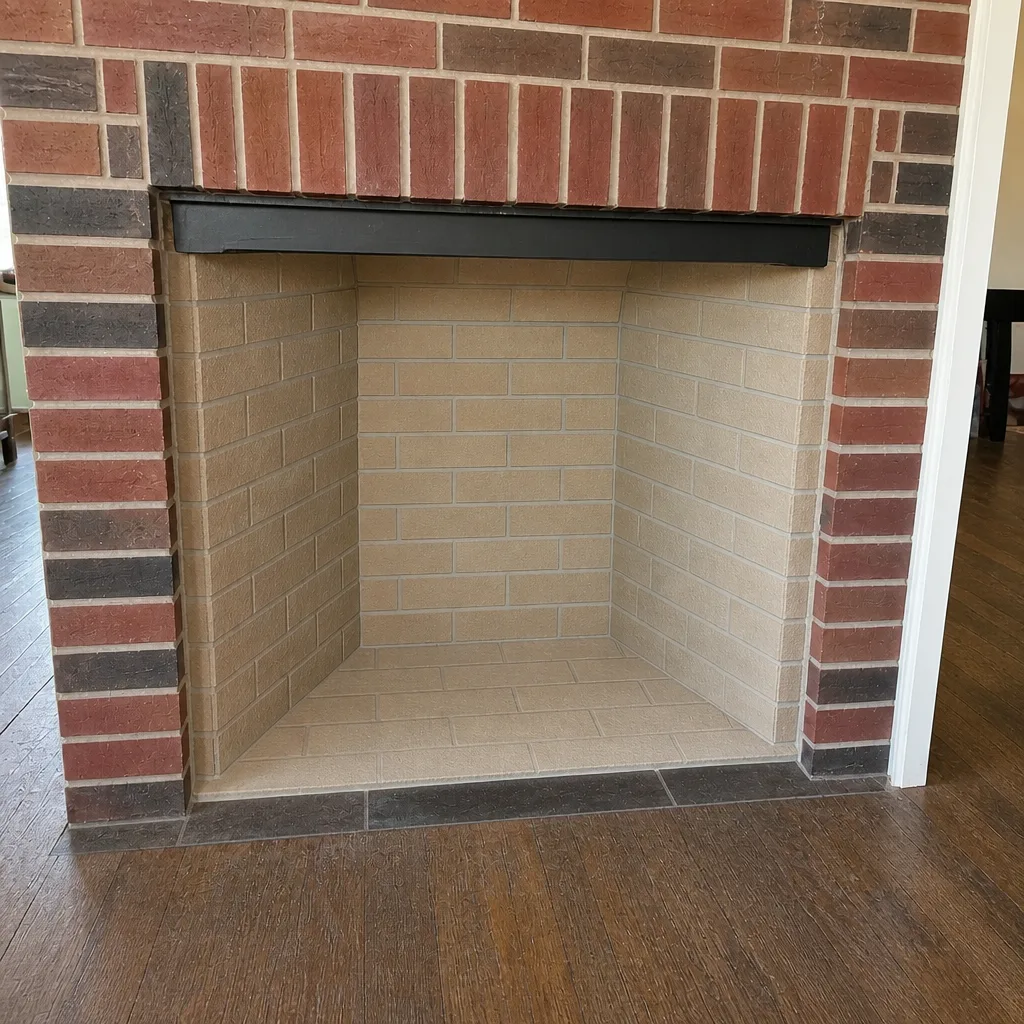
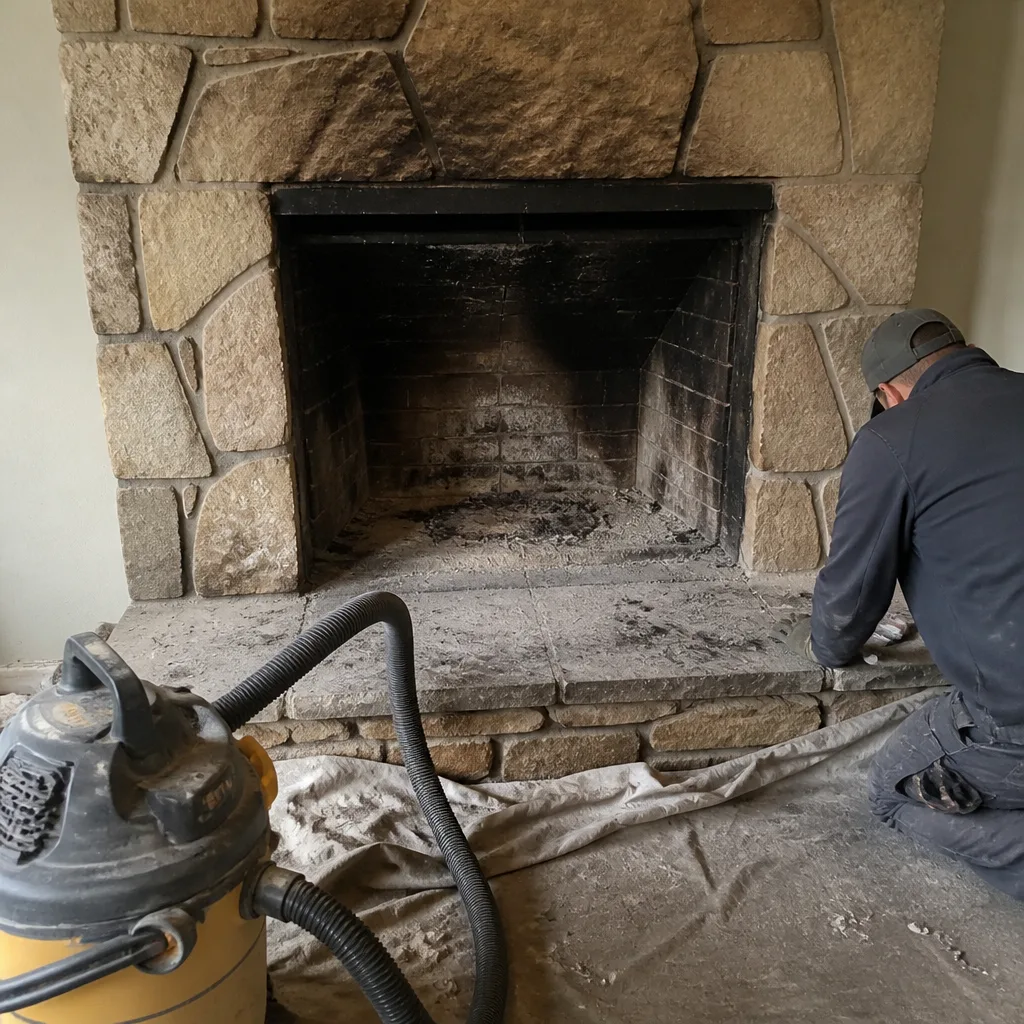
See the difference
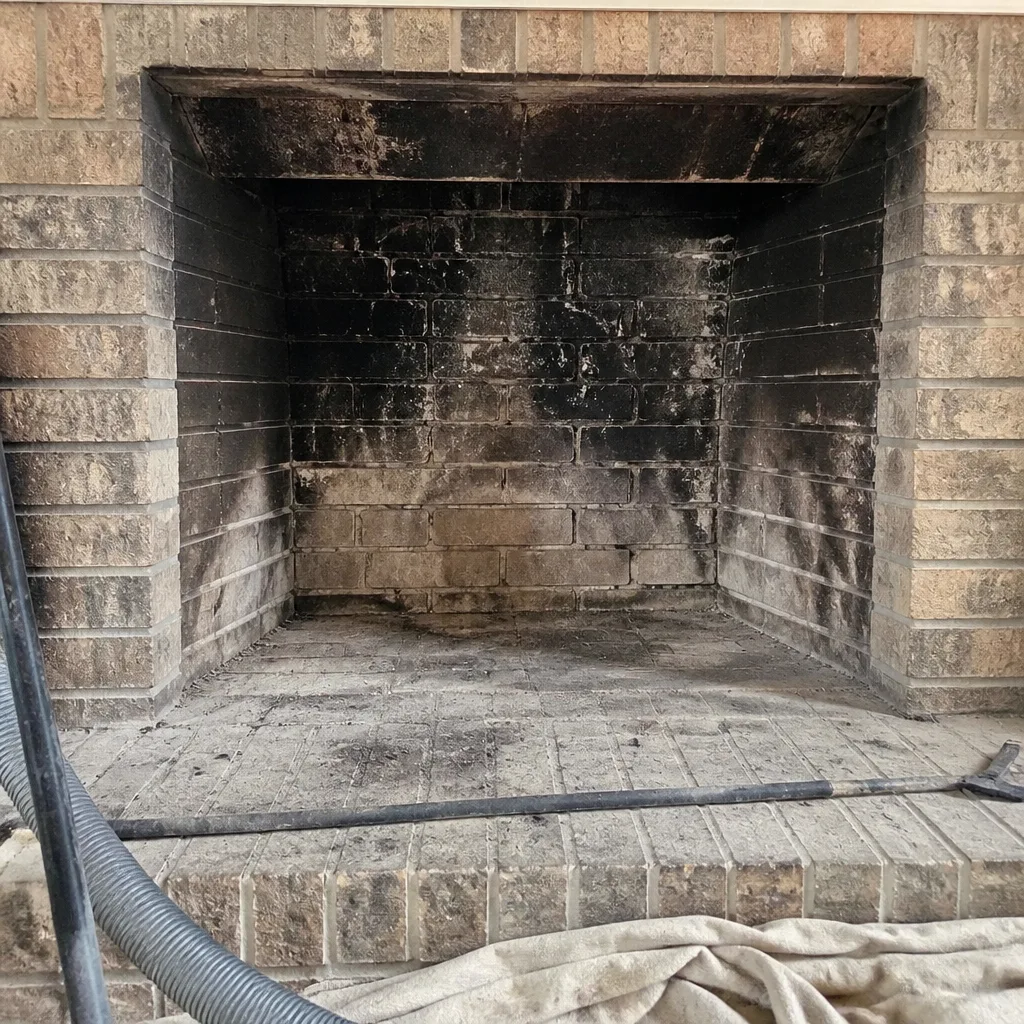 Before
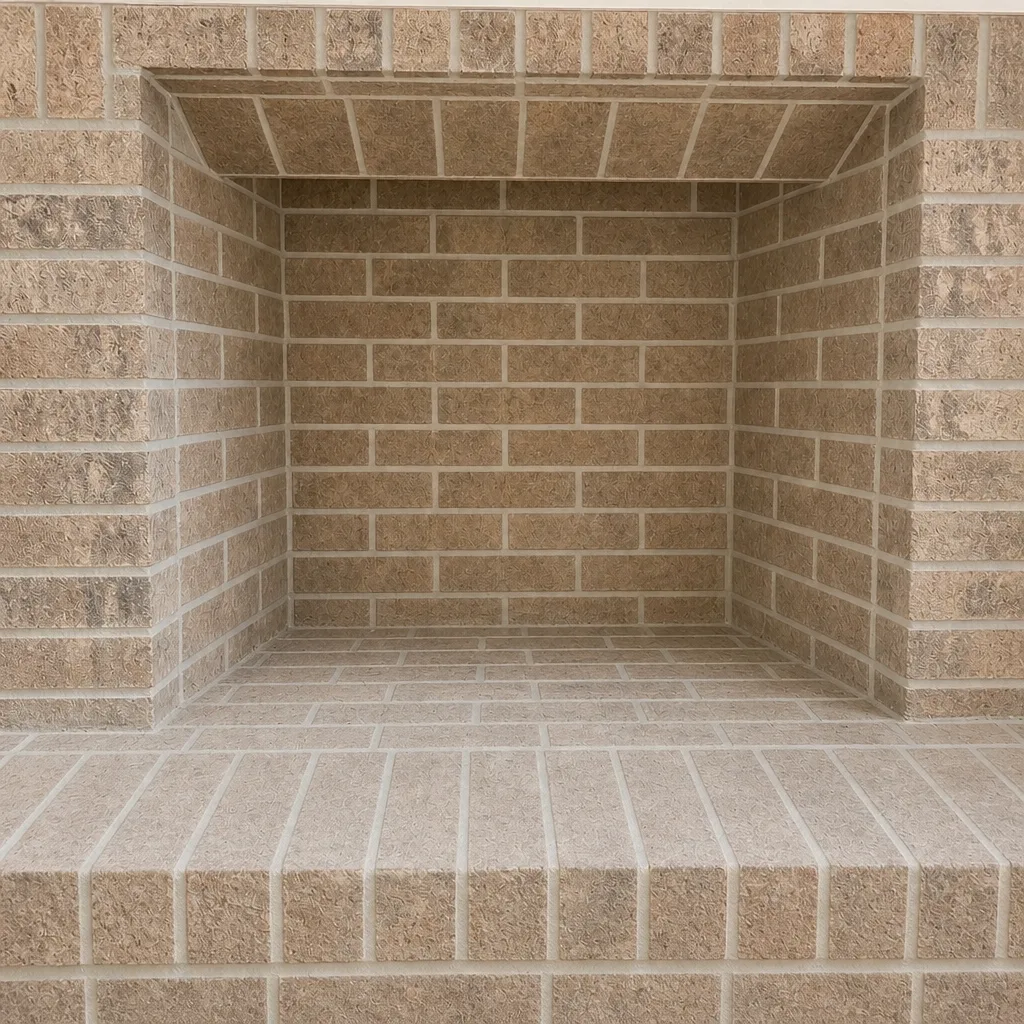 After
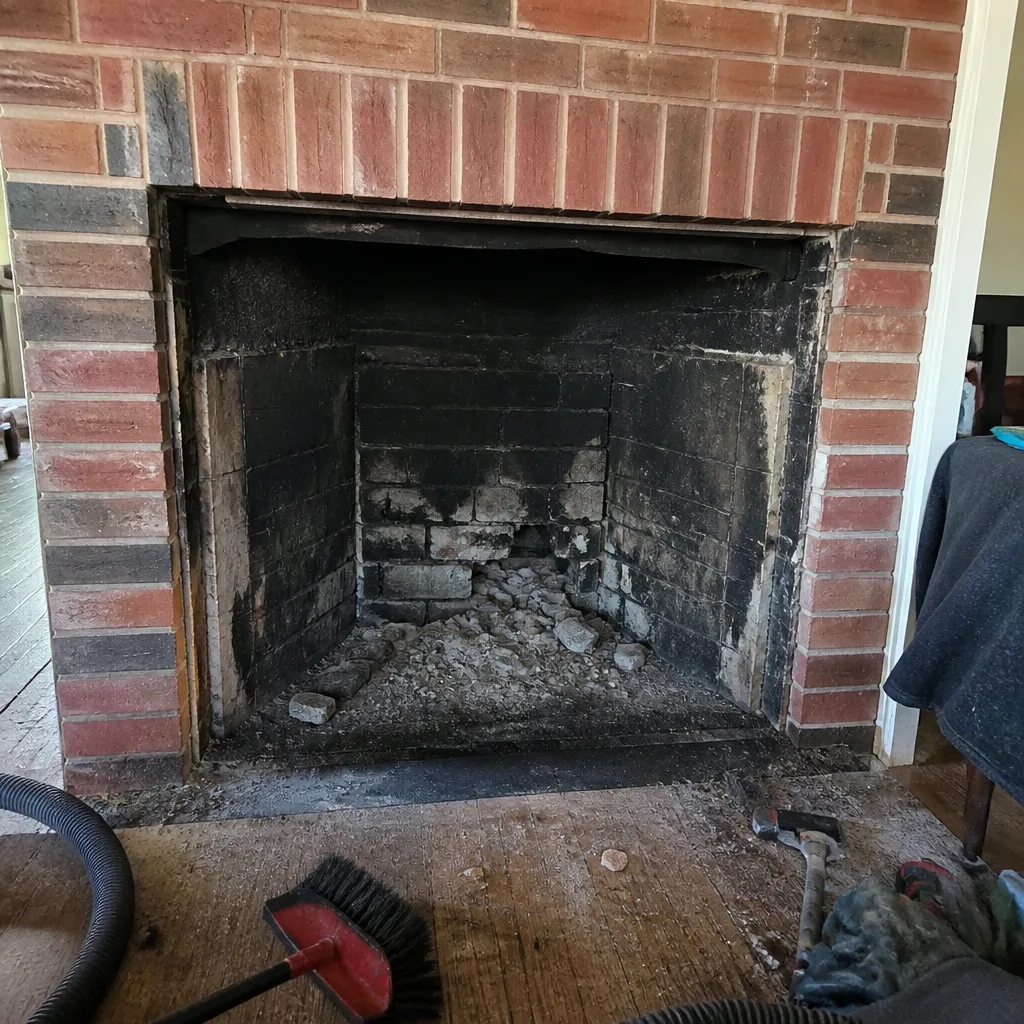 Before
 After
 Before
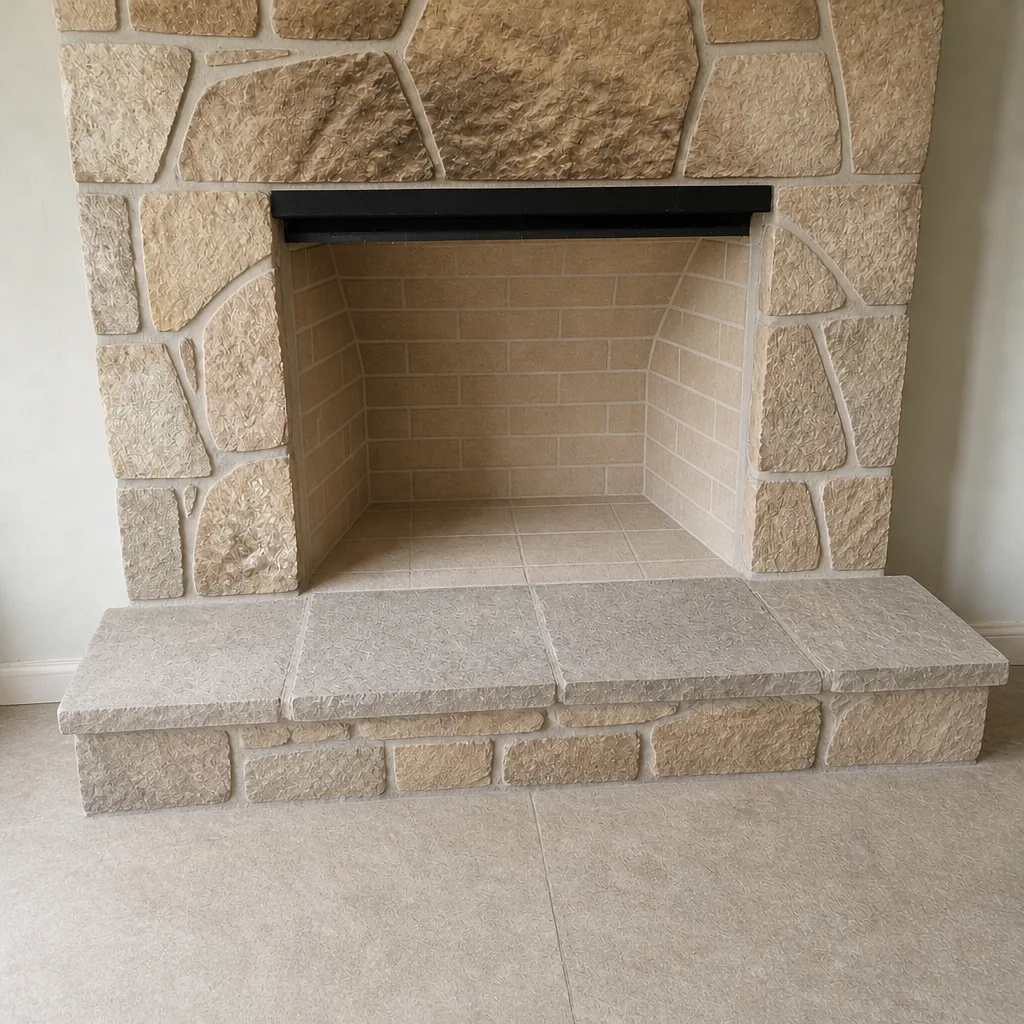 After
When to Call a Professional
Call us if you find any of these: a smoky, acrid, or sulfurous smell in the house when no fire is burning; visible spalling firebrick or rust on the damper; missing mortar joints, a cracked crown, or a loose cap on the roof; a fire that’s gotten sluggish or smokes into the room; or a chimney that hasn’t been inspected since the last heating season. Call us promptly if a carbon monoxide detector has triggered or you smell sulfurous odors on a cold day. Call us to book a routine sweep before the next burning season starts.
Flagship Chimney Sweep offers free estimates in Broken Arrow and handles the full path from sweep to repair. Call (866) 389-4464. We answer 24/7. Fast dispatch from 7am to 7pm, Sunday through Friday.
Frequently Asked Questions
Once a year is the general standard, particularly in homes where the fireplace sees regular use during the heating season. Homes that burn a lot of wood, or burn it with a sluggish draft, can build creosote faster and may need more frequent attention.
Yes. A smoky smell in a room with no fire burning usually means a draft problem pushing flue gases in the wrong direction. Draft problems are one of the leading precursors to carbon monoxide events, so treat it as a system issue and book an inspection before relying on the fireplace again.
Cost depends on the condition of the chimney and whether repairs are needed, so we set the price per job with a written estimate after inspection. Call (866) 389-4464 to book a free estimate and get an exact figure for your chimney.
Only if the inspection shows yours is compromised. A failed or missing liner can’t contain flue gases or creosote properly, and that’s a genuine safety issue, so the honest answer depends on what we find in yours. An inspection gives you the evidence, and nothing is recommended that you can’t see for yourself.
If the damage is small and caught early, yes, some of that work can often wait. But water intrusion is progressive, especially with Broken Arrow’s wet-to-freeze swings, and a missing mortar joint or a cracked crown tends to grow into a bigger repair season after season.
A fireplace that drew fine and now won’t is almost always a system change: a partial flue obstruction, a damaged damper, or a liner problem. Stop using the fireplace and get it inspected before your next fire. Call (866) 389-4464 to book an inspection. Estimates are free.
The Bottom Line
Warning signs from a chimney are diagnostic data, not reasons to panic. The smell index, the firebrick and damper condition inside, the roof-level staining and mortar gaps you can see from the yard, and the draft complaints you’ve been ignoring all point toward specific causes. Use the triage framework above to separate “stop using the fireplace now” from “schedule a sweep soon.” In Broken Arrow, the wet-to-freeze cycle makes catching moisture problems early the difference between a simple cap or crown repair and a major masonry job. Read the signs honestly, get the inspection, and you’ll have a clear answer instead of a guess.
Call (866) 389-4464 for a free estimate. We answer 24/7. Fast dispatch from 7am to 7pm, Sunday through Friday.
Written by the team at Flagship Chimney Sweep.