
Last updated November 15, 2026
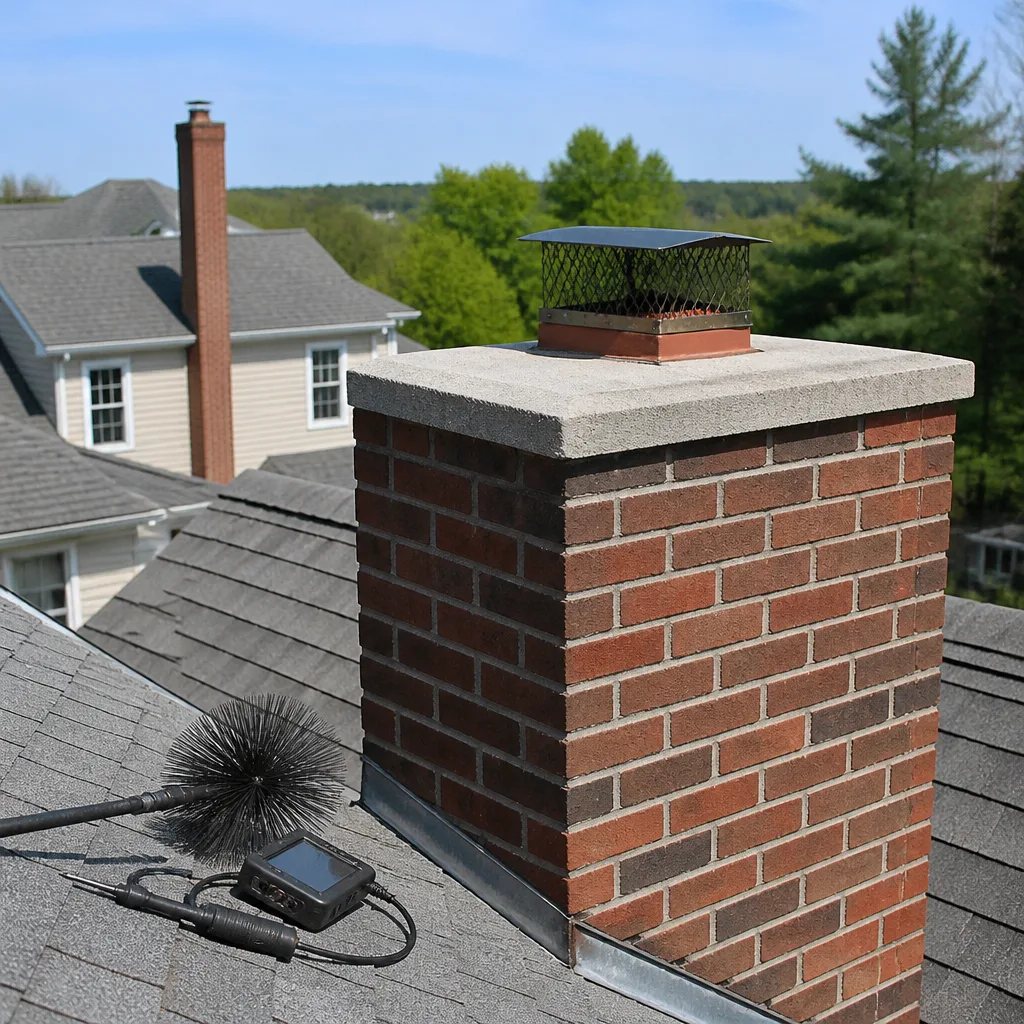 Sweep & inspection
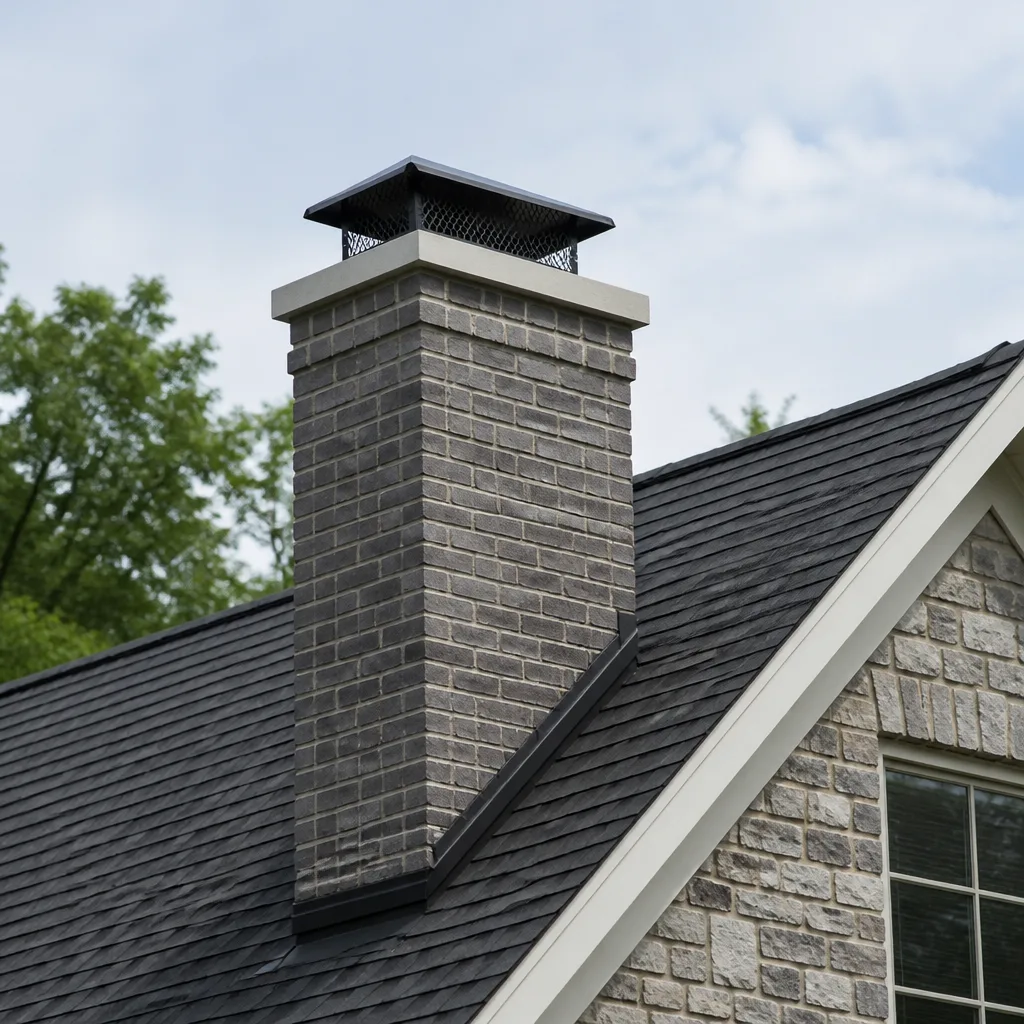 Caps & crowns
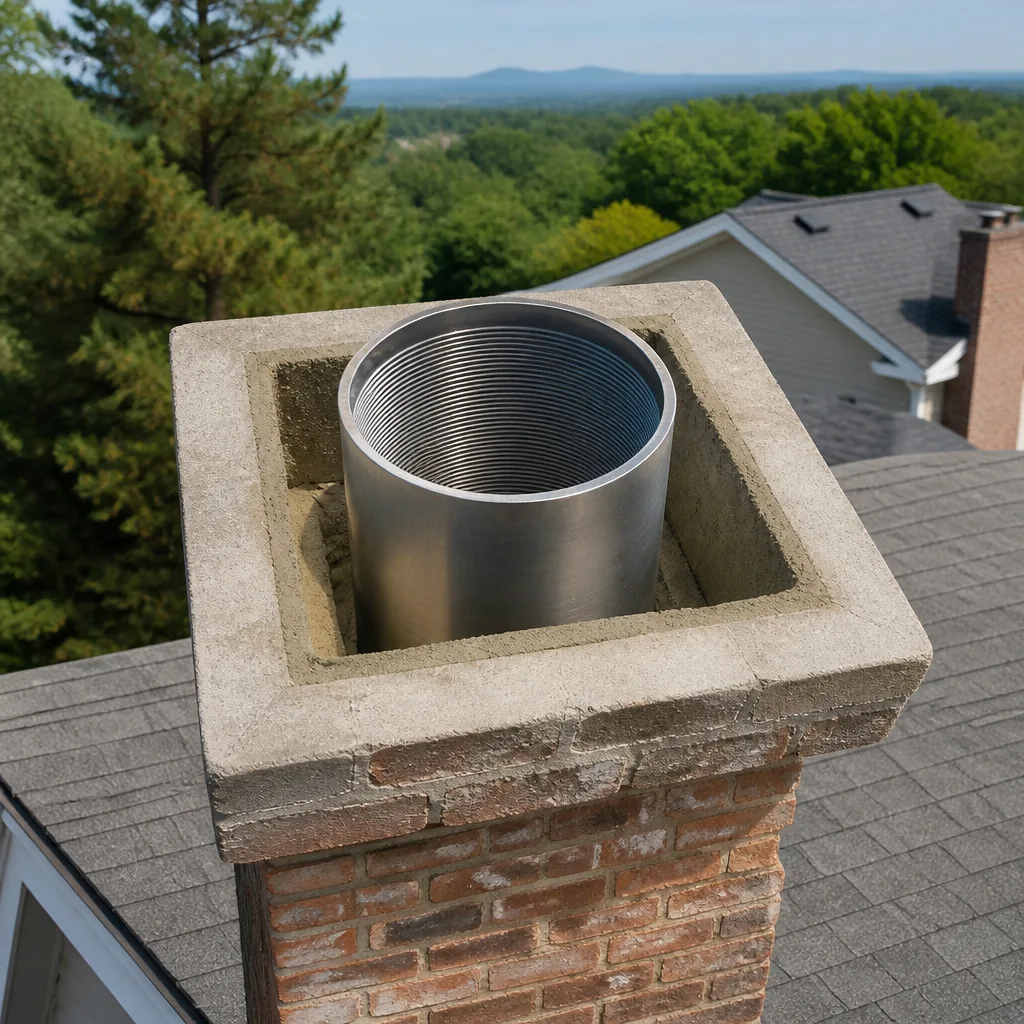 Flue relining
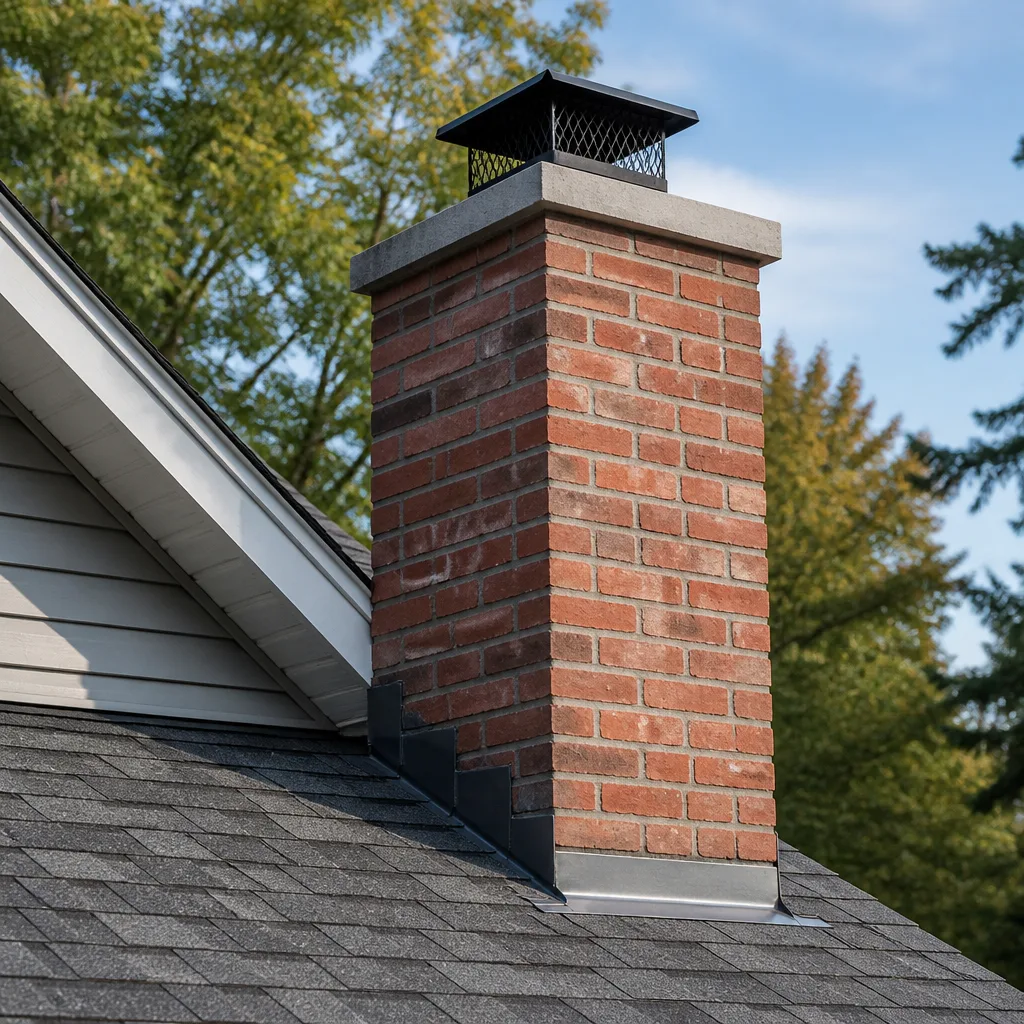 Masonry repair
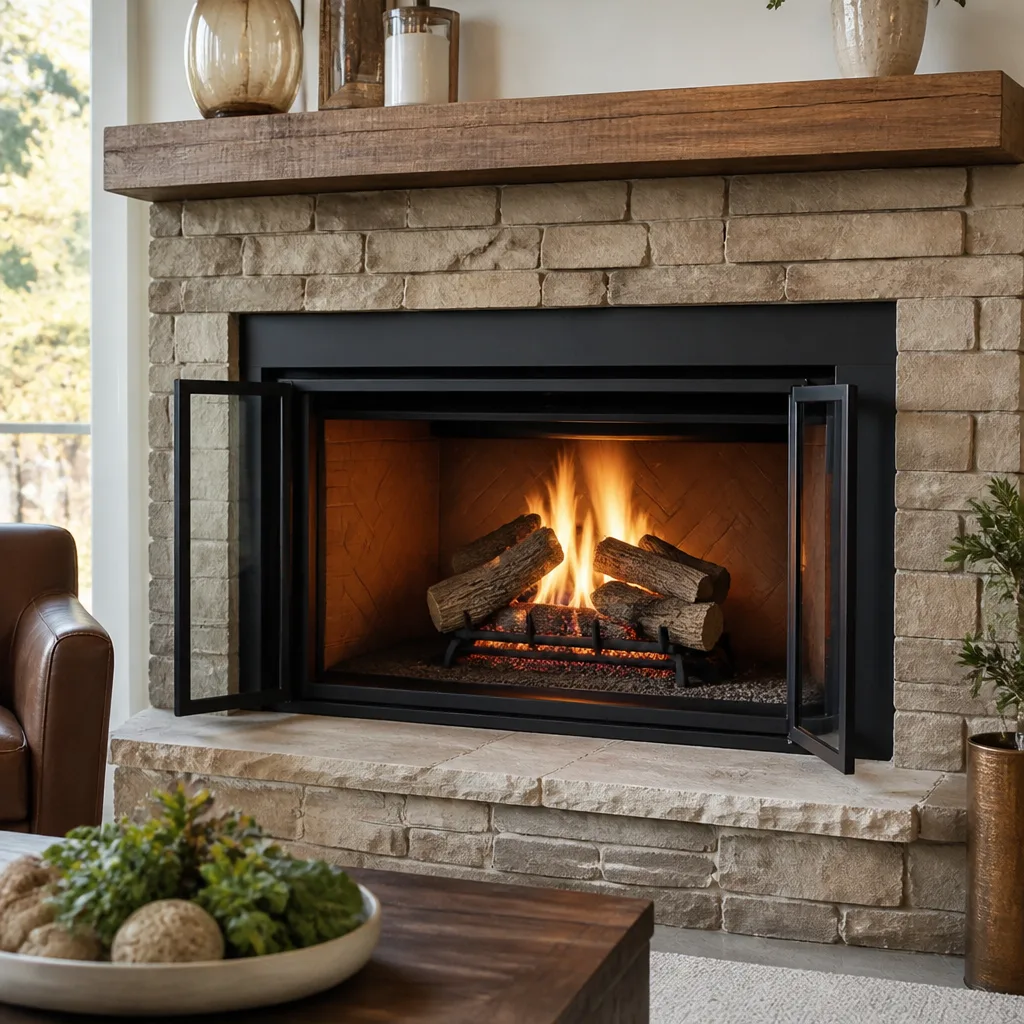 Gas fireplace service
Level 1 sweep and inspection to the NFPA 211 annual standard - flue, crown, cap, and flashing checked and photographed
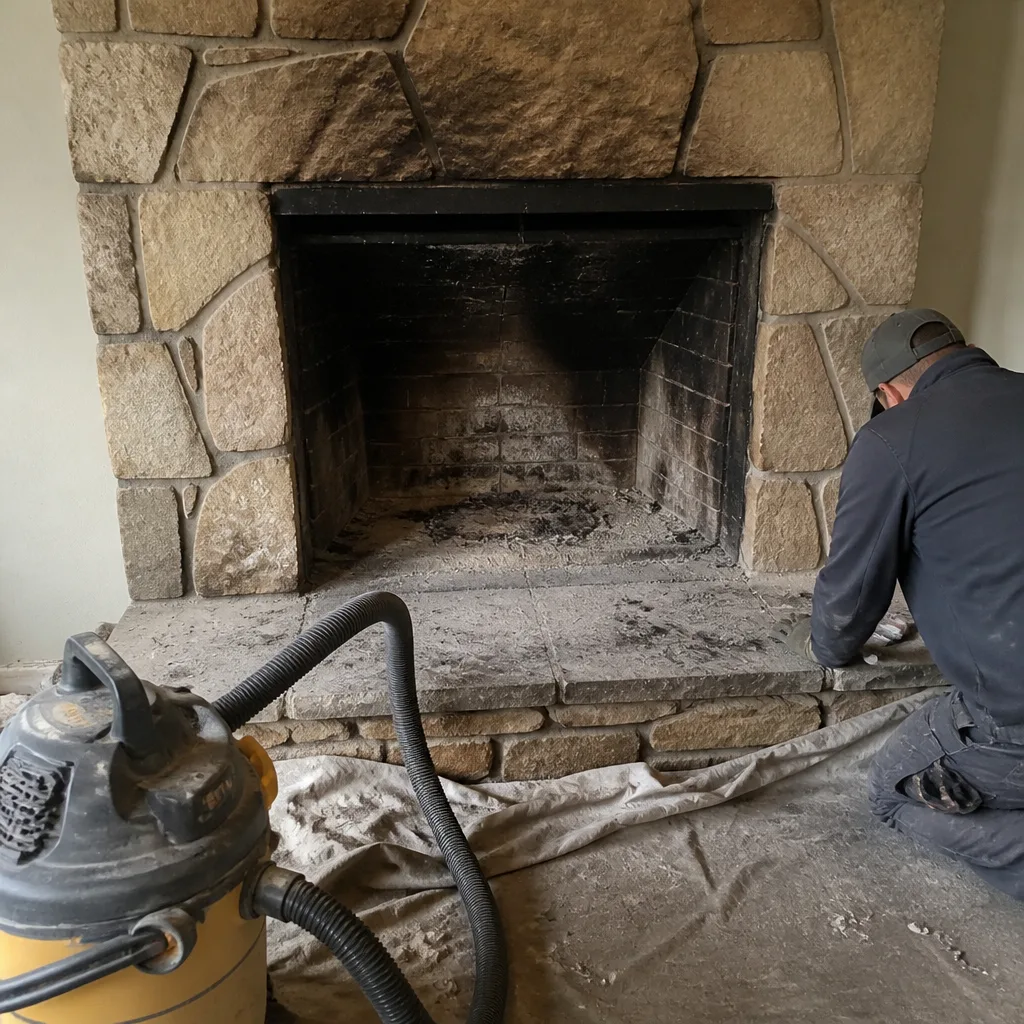
Chimney sweep logs do not sweep chimneys. They loosen some creosote - which then falls where a brush and vacuum still have to collect it.
Chimney Sweep Troubleshooting in Broken Arrow: Common Problems and How to Fix Them
If your fireplace smokes into the room every time you light it, the instinct is to call for a sweep. But a dirty flue is only one of six possible causes, and cleaning the wrong problem wastes money while the actual hazard stays right where it was. In our experience around Broken Arrow, homeowners misread chimney symptoms more often than they miss them entirely. Smoke that curls back into the room, a smell that shows up in July, a hairline crack that looks like soot: each points to a different fix. This guide teaches you to read those symptoms accurately, so you know whether a cleaning fixes it or something bigger does.
Quick Answer
Most chimney problems in Broken Arrow come down to one of six causes: creosote or debris blockage, negative air pressure in a tight house, a cracked flue liner, a deteriorated firebox, failing mortar from freeze-thaw cycles, or a damaged cap letting water and animals in. A professional inspection tells you which one you have before any money is spent. If you see cracked masonry, loose flue tiles, or smell gas, stop using the fireplace and call for an inspection first.
Styles & brands we work with
- Sweep & inspection
- Caps & crowns
- Flue relining
- Masonry repair
- Gas fireplace service
Table of Contents
- The Six Causes Behind Most Chimney Problems
- Draft Problems vs. Blockage: How to Tell Them Apart
- What Your Chimney’s Smell Is Telling You
- Cracked Flue Liner vs. Deteriorated Firebox
- How Oklahoma Freeze-Thaw Cycles Damage Masonry
- The Decision Tree: Monitor vs. Stop Using It Now
- What a Proper Inspection Actually Covers
- A Simple Maintenance Calendar for Broken Arrow Homes
The Six Causes Behind Most Chimney Problems
When a chimney misbehaves, the symptom is usually at the top of a chain. Trace it back and it lands on one of six root causes. Knowing which one you’re dealing with saves you from paying for a sweep when the real fix is a liner, or paying for a liner when all you needed was a cap.
- Creosote and debris blockage. Soot, creosote glaze, bird nests, or crumbling mortar collect in the flue and choke the draw. This is the classic case where cleaning actually solves it.
- Negative air pressure. Tight, well-sealed modern homes in Broken Arrow can pull harder on the chimney than the fire pushes up it. The result is smoke that backdrafts even when the flue is clean.
- A cracked flue liner. Hairline fractures in clay tiles let heat and gases reach surrounding wood framing. This is a safety issue, not a performance tweak.
- A deteriorated firebox. Cracked firebrick and failing refractory mortar change how the fire burns and can let heat escape into the structure.
- Failing mortar joints. Repeated freezing and thawing opens joints between bricks and promotes spalling, where brick faces flake away.
- A damaged cap or crown. A missing or rusted cap invites rain, snow, squirrels, and birds straight into the flue.
Each cause has a matching remedy: a sweep, an air-pressure adjustment, a relined flue using a DuraFlex system, a resurfaced firebox with HeatShield, repointed masonry, or a new cap. The job of troubleshooting is figuring out which one you’re facing before anyone touches a tool. If you’ve already spotted the symptom and just want it diagnosed and fixed, our chimney repair team handles the inspection-to-repair handoff in one visit.
Draft Problems vs. Blockage: How to Tell Them Apart
A cold flue in Broken Arrow pulls air differently than one in a house with loose windows and doors. Here’s the key distinction: a blockage produces smoke problems every time you burn, no matter the conditions. Negative pressure produces smoke that comes and goes with weather, other appliances running, or how tightly the house is sealed.
Blockage symptoms are consistent and steady:
- Smoke rolls back into the room even on a calm, mild day.
- The fire is hard to start and struggles to stay lit.
- You can smell a strong, smoky odor in the room during and after burning.
- A sweep pulls a large amount of soot or debris out of the flue.
Negative pressure symptoms are situational:
- Smoke backdrafts mostly on windy days or when it’s cold outside.
- The problem started after a remodel, new windows, or added insulation.
- Running the kitchen or bath exhaust fan makes it worse.
- A different fireplace or wood stove in the house draws fine.
Modern homes in newer Broken Arrow subdivisions, particularly tightly built ones, often need a combustion air supply or a draft test before anyone assumes the flue is dirty. Cleaning a flue that was never blocked won’t fix a pressure problem, and it leaves you wondering why the chimney still smokes the next time you light a fire. Getting this distinction right the first time is most of the battle.
What Your Chimney’s Smell Is Telling You
Odor is one of the most useful diagnostic signals a chimney gives you, and most homeowners ignore it until it becomes unbearable. Different smells point to different conditions inside the flue and firebox. Matching the smell to its likely cause is faster than guessing.
- Musty, damp, or earthy: This usually means moisture is getting in through a missing or damaged cap, a cracked crown, or failing flashing at the roof. Water itself doesn’t just cause a smell; it breaks down masonry over time.
- Sharp, acrid, or chemical: An acidic, biting odor often points to creosote at higher stages of buildup, or to a draft problem pushing gases back into the living space. If it’s accompanied by headaches or a heavy, stale feeling in the room during burning, treat it as a warning.
- Campfire smell in summer: A strong smoky smell when the fireplace is cold and unused is usually creosote residue reacting to heat and humidity. The warmth of the season releases volatile compounds from soot that have built up inside the flue.
- Dead animal smell: A distinct, rotten odor, often in the flue or on top of the smoke shelf, means birds or squirrels have gotten in past a broken cap.
If the odor is musty or rotten, don’t just deodorize it and move on. Fix the water intrusion or the animal access, or it comes back the moment conditions repeat. A proper inspection identifies whether the moisture source is a cap, crown, flashing, or masonry, and whether the chimney needs a new Gelco cap or masonry repair. If the smell is sharp and acrid during burning, stop using the fireplace and have the flue checked before the next fire.
Cracked Flue Liner vs. Deteriorated Firebox
These two problems get confused because they look similar from the firebox floor. Both can produce smoke performance issues. Both show cracks and flaking. But they’re different components with different repair paths, and one is a significantly bigger safety concern than the other.
Cracked flue liner
The flue liner is the tube that carries exhaust gases up and out of the chimney. In older Broken Arrow homes, it’s often clay tile. Clay tiles crack from a chimney fire, from moisture, or from normal thermal cycling. When the liner is cracked, the heat and gases have a direct path to wood framing and nearby combustibles. A crack in a liner isn’t a cosmetic issue, and it doesn’t self-heal. It’s a safety hazard that stops fireplace use until it’s addressed. The typical fix is relining the flue, often with a stainless system like DuraFlex, sized to the appliance.
Deteriorated firebox
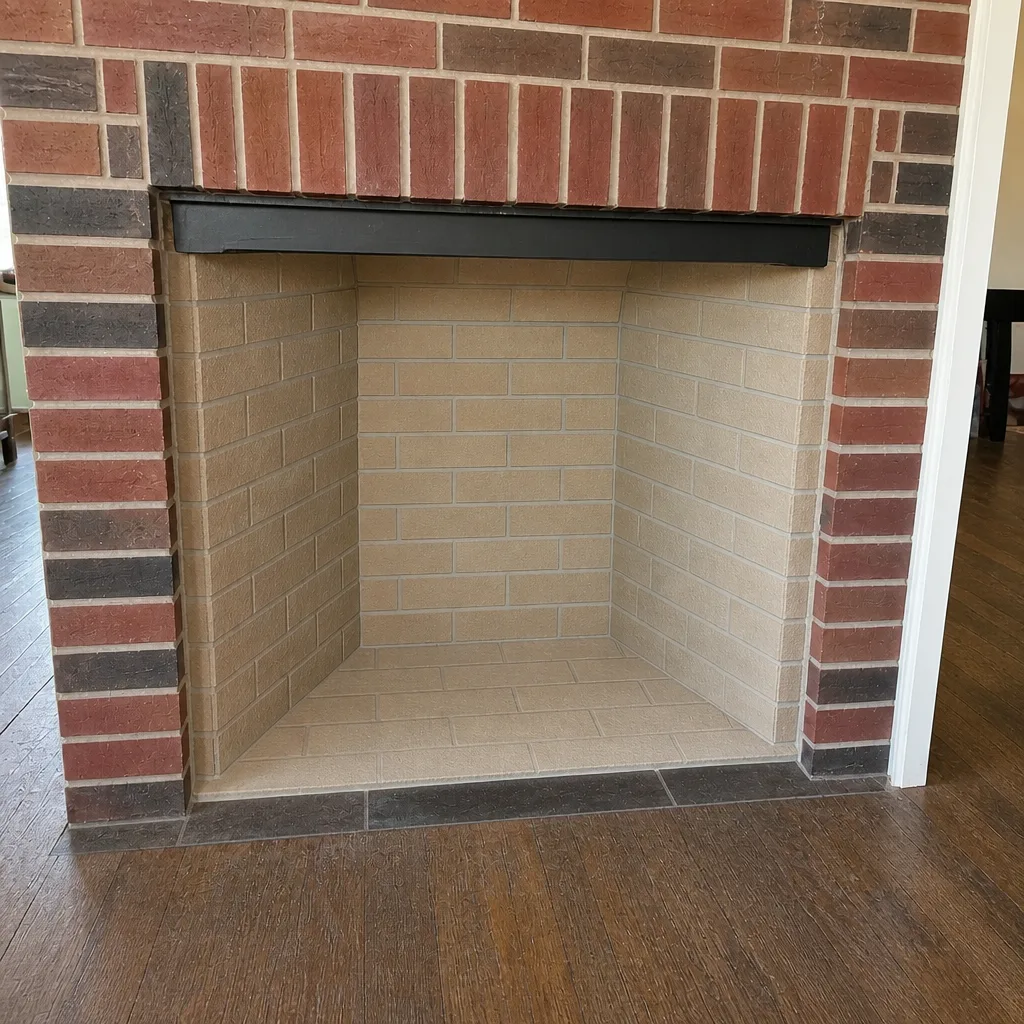
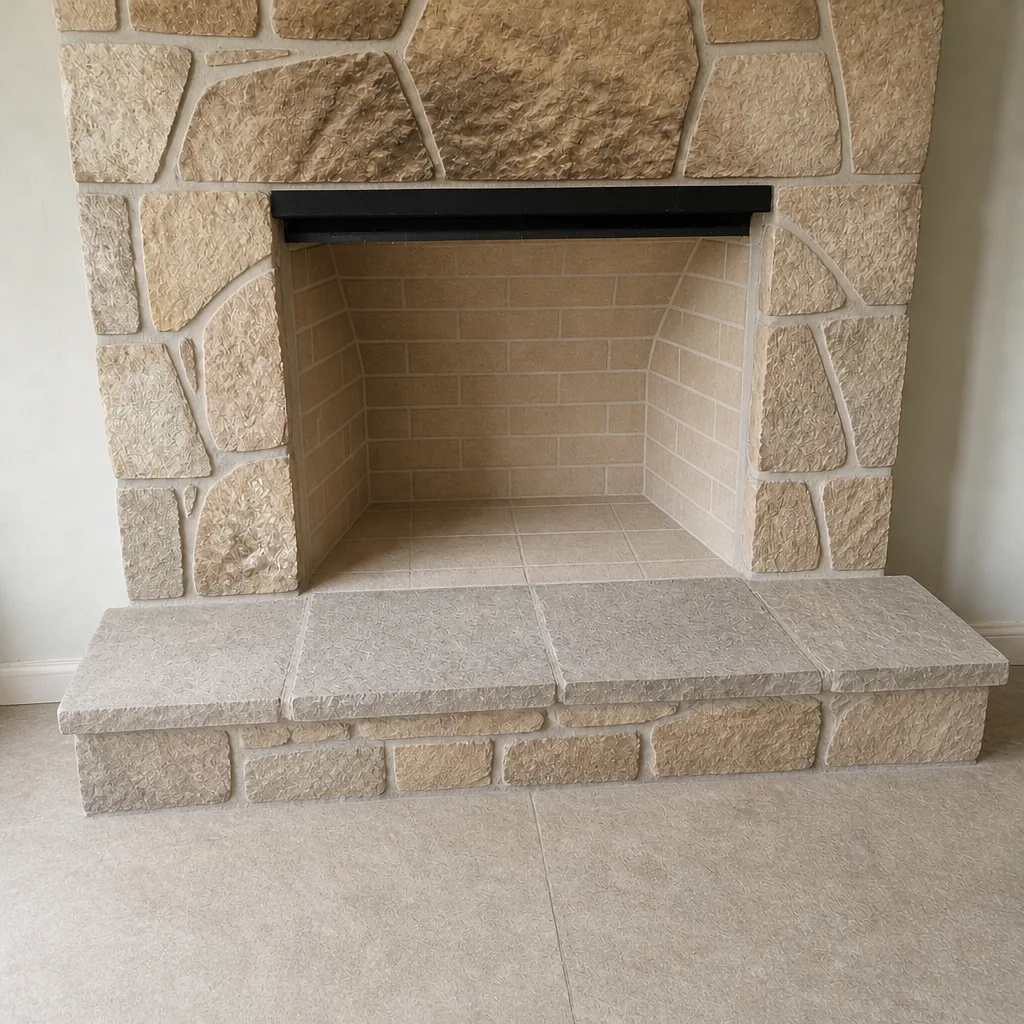
The firebox is where the fire actually burns, and it’s built from brick and refractory mortar. Over time, the firebrick cracks and the mortar joints erode. This changes combustion and lets heat leak sideways into the masonry around the fire. A firebox in decline can often be restored with a resurfacing product such as HeatShield, which rebuilds the firebox surface without a full teardown.
How to tell them apart
- Look at the firebox walls. Cracks and crumbling mortar inside the firebox itself point to the firebox.
- Look above the firebox through the damper. Cracks in the flue tiles further up the chimney point to the liner.
- Check for chunks of material on the smoke shelf. Flaking from the firebox is different from tile fragments from the liner.
- Any crack that lets you see daylight or framing means stop burning and call for an inspection.
Both fixes exist in the same visit, which is the value of having one company handle the whole job. We inspect it, we fix it, no runaround, no handoff to a second contractor for the repair.
How Oklahoma Freeze-Thaw Cycles Damage Masonry
Oklahoma’s swings between warm afternoons and below-freezing nights are hard on brick and mortar. Water gets into a mortar joint or a tiny crack during a warm, wet spell. Overnight it freezes and expands. The next day it thaws and recedes. Repeat that through a winter, and the masonry weakens in slow, visible steps.
Two things happen as a result. First, mortar joint failure: the joints between bricks soften and erode, leaving gaps. Second, spalling: brick faces flake and pop off, exposing the softer core of the brick to more moisture. Both are common on chimneys in Broken Arrow homes that have stood through many winters, especially on the north-facing side of the chimney where it stays frozen longer.
What to watch for:
- Powdery, sandy, or chalky deposits on the chimney’s exterior, which is called efflorescence.
- Visible gaps in mortar joints, or mortar you can scrape out with a putty knife.
- Brick faces that are flaking or missing.
- White staining running down the side of the chimney after rain.
Repointing the mortar and replacing spalled brick restores the chimney’s weather barrier. Catching it early is a smaller repair. Catching it late means more of the chimney has to be rebuilt. If you’re seeing white staining or loose joints, this is a good time to have the chimney looked at before the next freeze.
The Decision Tree: Monitor vs. Stop Using It Now
Not every chimney problem is an emergency, and not every one can wait. Use this decision tree to sort your symptom into the right category. When in doubt, treat it as stop-and-call.
Stop using the fireplace immediately if:
- You see cracked or missing flue tiles above the damper.
- There is cracked or crumbling firebrick in the firebox.
- Smoke comes into the room consistently, even after a recent sweep.
- You smell gas at any time near a gas appliance or connection.
- You have unexplained headaches, dizziness, or a stale, heavy feeling in the room when using a gas or wood-burning appliance.
- You have a chimney fire history or suspect one occurred.
Safe to monitor, with a professional look when convenient:
- A small amount of soot or creosote flaking off the flue walls.
- Minor odor on hot, humid summer days with no other symptoms.
- A single hairline crack in exterior mortar with no other signs.
- Light draft problems only on very windy days.
- Cosmetic staining on the chimney exterior with no loose joints.
The general rule: anything that involves the liner, the firebox, gas, or consistent smoke is a stop-and-call. Anything cosmetic or weather-dependent gets monitored. When you’re not certain which side of the line you’re on, a professional inspection settles it. Our technicians have up to 8 years of experience and can tell you which side of the line your chimney is on within the first few minutes of looking.
What a Proper Inspection Actually Covers
A chimney inspection isn’t just looking up the flue with a flashlight. A proper inspection covers the whole chimney system, and it’s the only way to match your symptom to a real cause. Here’s what we check on a typical Broken Arrow chimney.
- Exterior. The crown, the cap, flashing at the roofline, and the brick and mortar on the visible chimney sides. This is where freeze-thaw damage shows first.
- Firebox and damper. Firebrick condition, the refractory mortar, and whether the damper opens and closes correctly.
- The flue itself. A camera run up the flue gives us a clear look at the liner tiles, the smoke shelf, and any buildup or obstruction.
- The smoke chamber. This is the tapered area above the damper, and it’s where a lot of turbulence and heat loss happens.
- The appliance connection. Whether the appliance is connected properly to the flue, and whether there’s a gap where gases can leak.
- Draft testing. Here’s where we figure out whether the issue is a blockage or negative pressure. That test is what tells you whether cleaning fixes the problem or something else does.
The inspection output should be specific: what we found, where, and what it means for whether you can burn this season. A photo report keeps you from having to take anyone’s word for it. Nothing gets recommended without evidence you can see for yourself, and when work can safely wait, we tell you that too.
We handle all three core services under one company, so the same person who inspects the problem also handles the chimney sweep or the repair. If you’re in a neighborhood like Stone Wood Hills or the older streets near downtown Broken Arrow, your home’s age and construction will shift what an inspection focuses on, and a good inspector adjusts for that.
A Simple Maintenance Calendar for Broken Arrow Homes
Chimney maintenance isn’t complicated, but it works best on a rhythm. Here’s a basic schedule for a Broken Arrow home with a wood-burning fireplace or fuel-burning appliance.
- Before first burn (early fall): Schedule the annual chimney sweep and inspection. This is the time to catch a summer-arrived obstruction before it becomes a winter fire hazard.
- Every cord of wood burned: Check the flue buildup. Heavily used fireplaces sometimes need a mid-season sweep.
- After any storm: Look at the cap and crown. Missing pieces or a cracked crown mean water is getting in.
- After a freeze: Check exterior mortar joints for new gaps or spalling.
- Every few years: Have the interior flue and firebox inspected again, with a camera and photo report, even if you haven’t had a problem.
Sweeping annually is a safety step, not an upsell. Creosote buildup is combustible, and a chimney fire is far easier to prevent than it is to repair after. The cost of a sweep is small next to the cost of a chimney fire.
Common Mistakes to Avoid
- Assume a dirty flue every time. If smoke comes into the room primarily when it’s cold or windy, the flue may be clean and the problem is pressure. Cleaning a clean flue doesn’t fix anything.
- Ignore a summer smell. That campfire odor in July is creosote and humidity, and it’s a sign your flue needs attention before the fall. Waiting can mean a harder cleaning.
- Treat firebox cracks as cosmetic. Hairline cracks in firebrick may look like soot stains, but they let heat leak into the masonry. A resurfaced firebox with HeatShield costs less than rebuilding one that’s been left to fail.
- Sweep but skip the inspection. A sweep removes soot; only an inspection tells you what the flue and liner look like. You can have a clean flue and a cracked liner at the same time.
- Wait until smoke is a problem. By the time your fireplace smokes consistently, you may be dealing with a liner crack you could have caught earlier in the year with a routine inspection.
- Use a DIY brush on a long flue without checking the liner. The brush can knock tile pieces loose if the liner is already failing, and it doesn’t diagnose anything.
- Hire whoever’s cheapest. A bargain sweep that skips the inspection leaves the actual safety issues undiscovered, and you pay for it twice.
See the difference
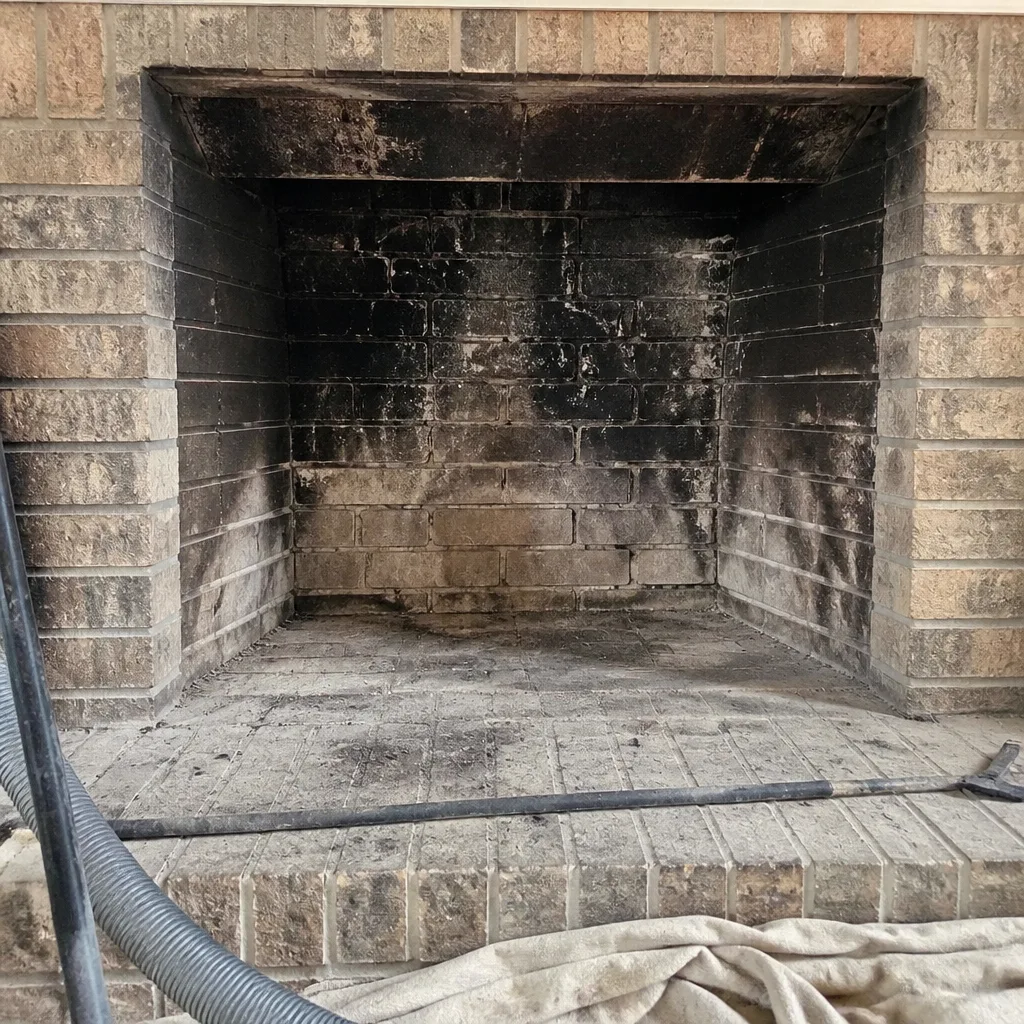 Before
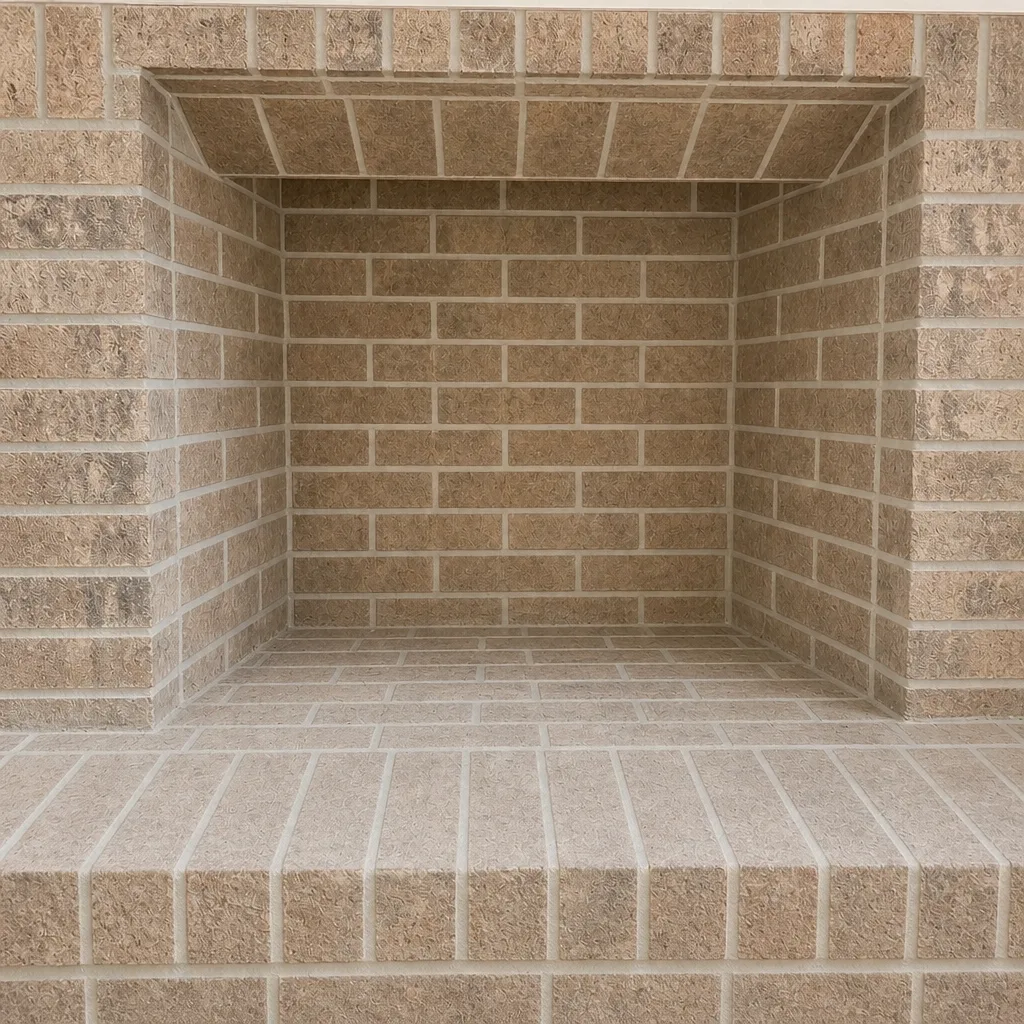 After
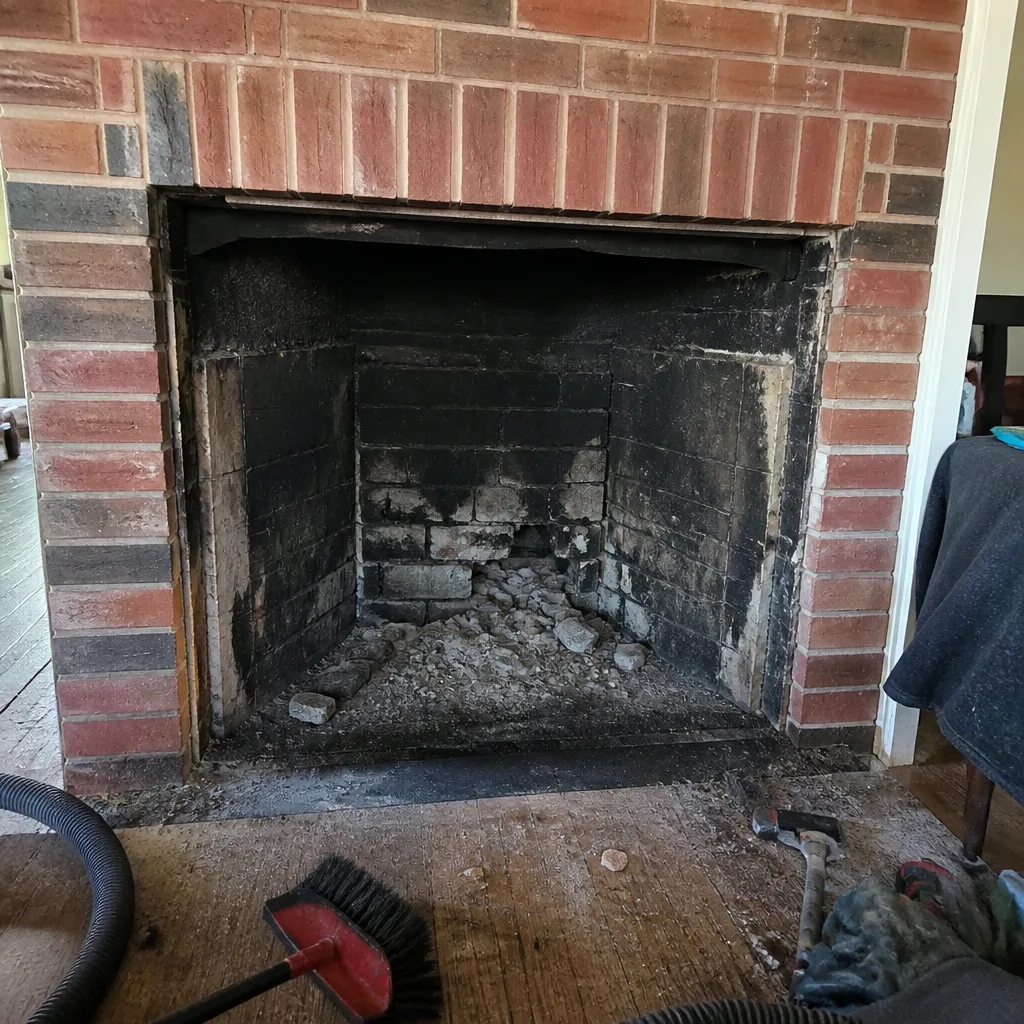 Before
 After
 Before
 After
When to Call a Professional
Call a professional if you see cracked flue tiles, cracked firebrick, loose mortar joints, a missing or damaged cap, or consistent smoke in the room. Also call if you smell gas, have had a chimney fire, or moved into a Broken Arrow home where the chimney hasn’t been inspected recently and you don’t know its history. Any of these puts your fireplace beyond what a homeowner can safely diagnose alone.
You don’t need to be an expert to spot a symptom or sort through this guide. You just need to know which category you’re in. Call (866) 389-4464 for an inspection and a straight answer about what your chimney actually needs. Flagship Chimney Sweep offers free estimates in Broken Arrow, and our technicians have up to 8 years of experience reading exactly these symptoms.
Frequently Asked Questions
Pricing is set per job by a written estimate after we look at your chimney, so the number reflects what your flue actually needs rather than a one-price-fits-all rate. The estimate is free, and the written estimate is what sets the final price. Call (866) 389-4464 for an exact quote.
If a recent sweep didn’t fix it, the cause is almost certainly negative air pressure rather than blockage. Tight modern homes in Broken Arrow can pull harder on the chimney than the fire pushes up it, and cleaning won’t fix a pressure problem. A draft test during the inspection tells you which cause you have. Call (866) 389-4464 to schedule one.
Only if an inspection shows the liner is actually cracked, failing, or improperly sized for the appliance. A cracked liner opens a path for heat and gases to reach nearby combustibles, so it’s a safety fix, not a performance upgrade. Nothing gets recommended without evidence you can see in the photo report. Call (866) 389-4464 to get the flue checked.
An annual sweep and inspection is the standard for homes that burn wood regularly, and more often if you burn heavily or have a history of creosote buildup. A good rule is to sweep before the first fire each fall and again mid-season if you burn a cord or more. Call (866) 389-4464 to book the fall sweep.
Creosote keeps building until it becomes a chimney fire risk, and small issues like a cracked liner or failing firebox go unnoticed until they’re larger. Skipping the annual sweep is the single most common way a small fix turns into a major repair. Call (866) 389-4464 to get on schedule before the burn season starts.
A musty smell means moisture is getting in, usually through a damaged cap, crown, or flashing. On its own it’s not an immediate emergency, but water breaks down masonry over time and will eventually cause a bigger repair. Have it checked at the next inspection rather than deodorizing and moving on. Call (866) 389-4464 to schedule.
The Bottom Line
Most chimney symptoms trace back to six causes, and the trick is reading the symptom correctly so you fix the actual problem the first time. Blockage cleans out; pressure needs a draft fix; cracked liners, failing fireboxes, freeze-thaw damage, and a bad cap all need a real repair. Don’t guess at which one you’re facing. An inspection with a photo report tells you the cause and what it means for this season, and anything involving the liner, the firebox, or gas is a stop-and-call.
One company from sweep to repair keeps the whole job in one place. Our technicians have up to 8 years of experience, and we work with professional-grade products like DuraFlex, HeatShield, and Gelco so the fix is built to last, not built to get us back next season. Call (866) 389-4464 for a free estimate today. We answer 24/7, and fast dispatch runs from 7am to 7pm, Sunday through Friday.
Written by the team at Flagship Chimney Sweep.