
Last updated November 15, 2026
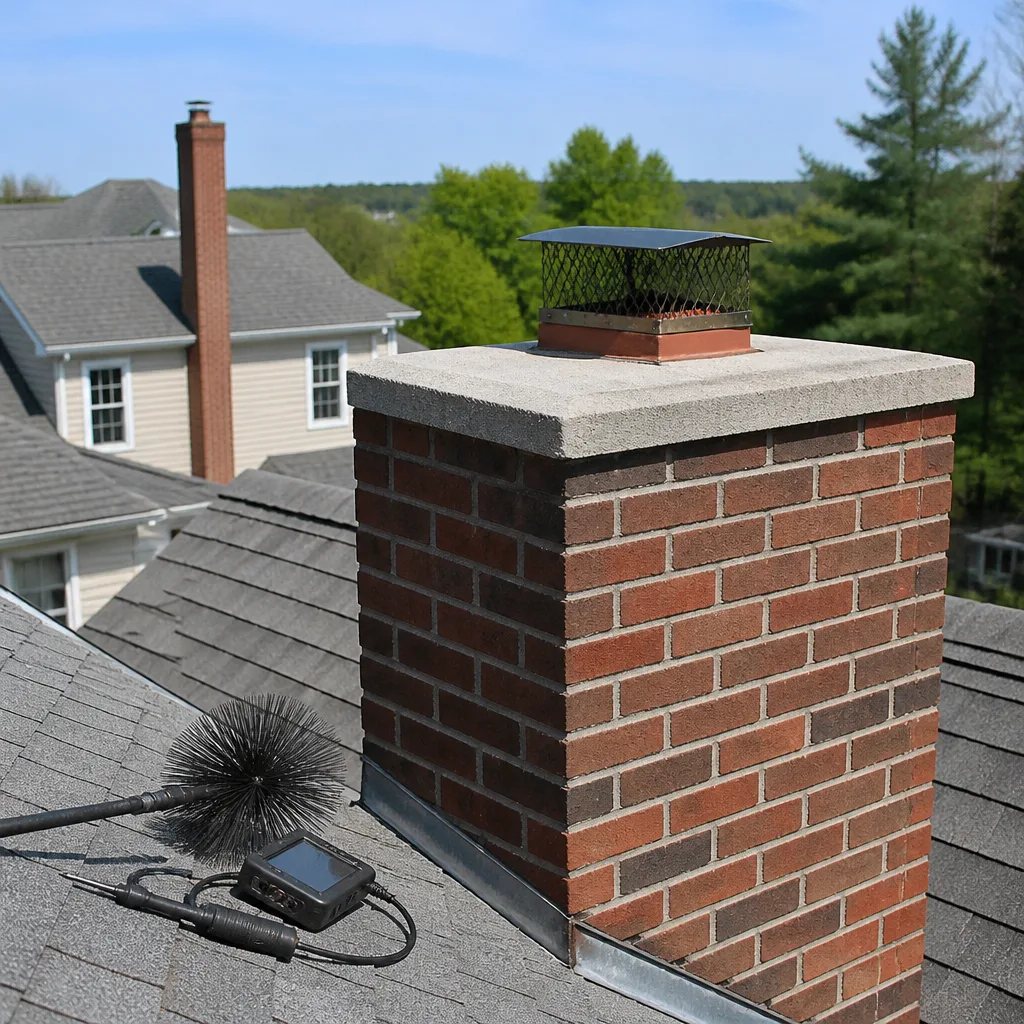 Sweep & inspection
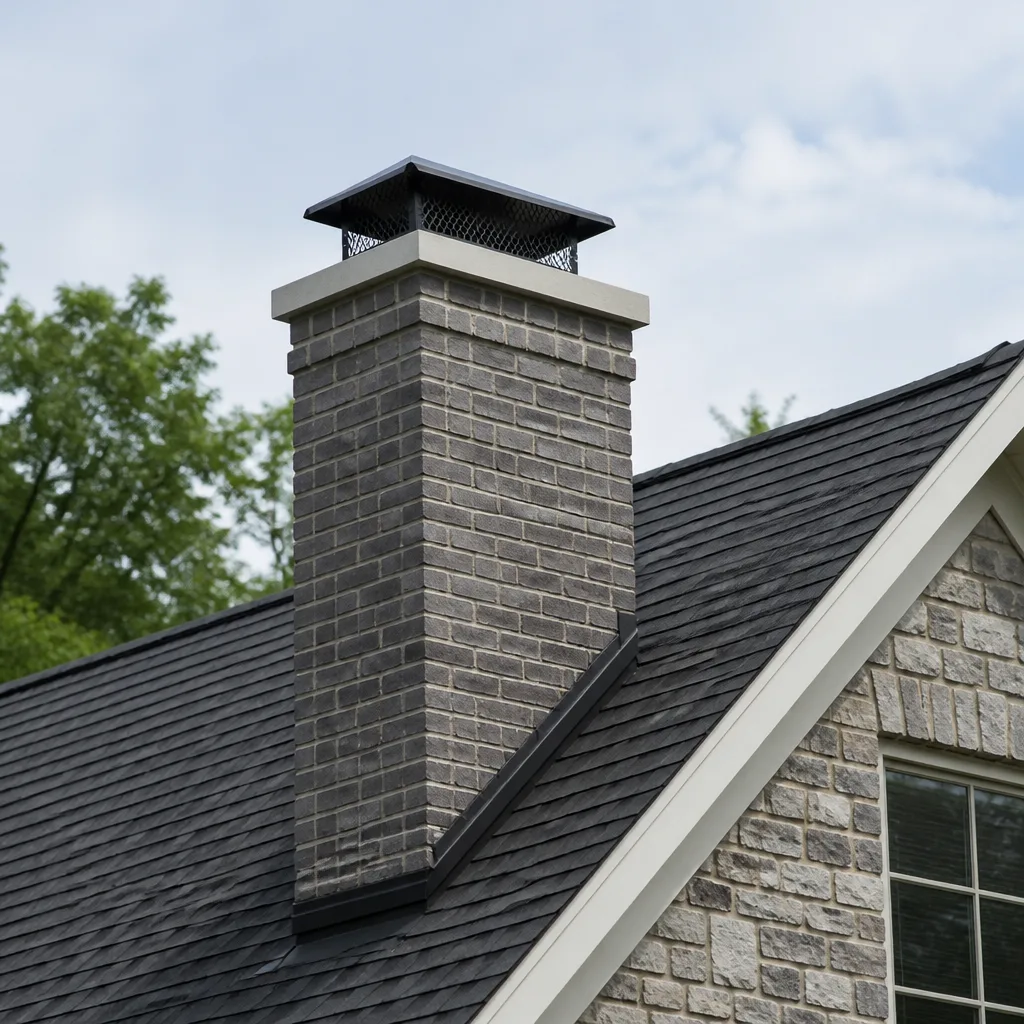 Caps & crowns
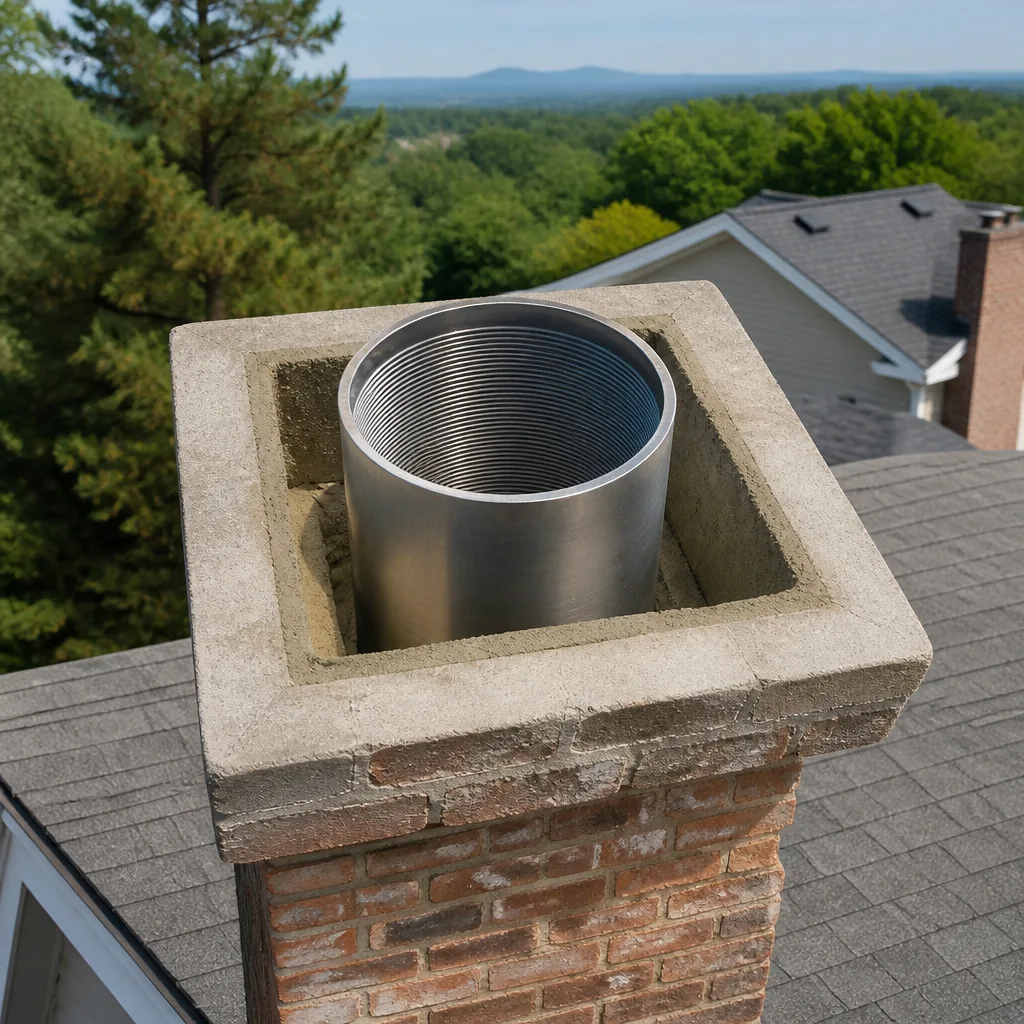 Flue relining
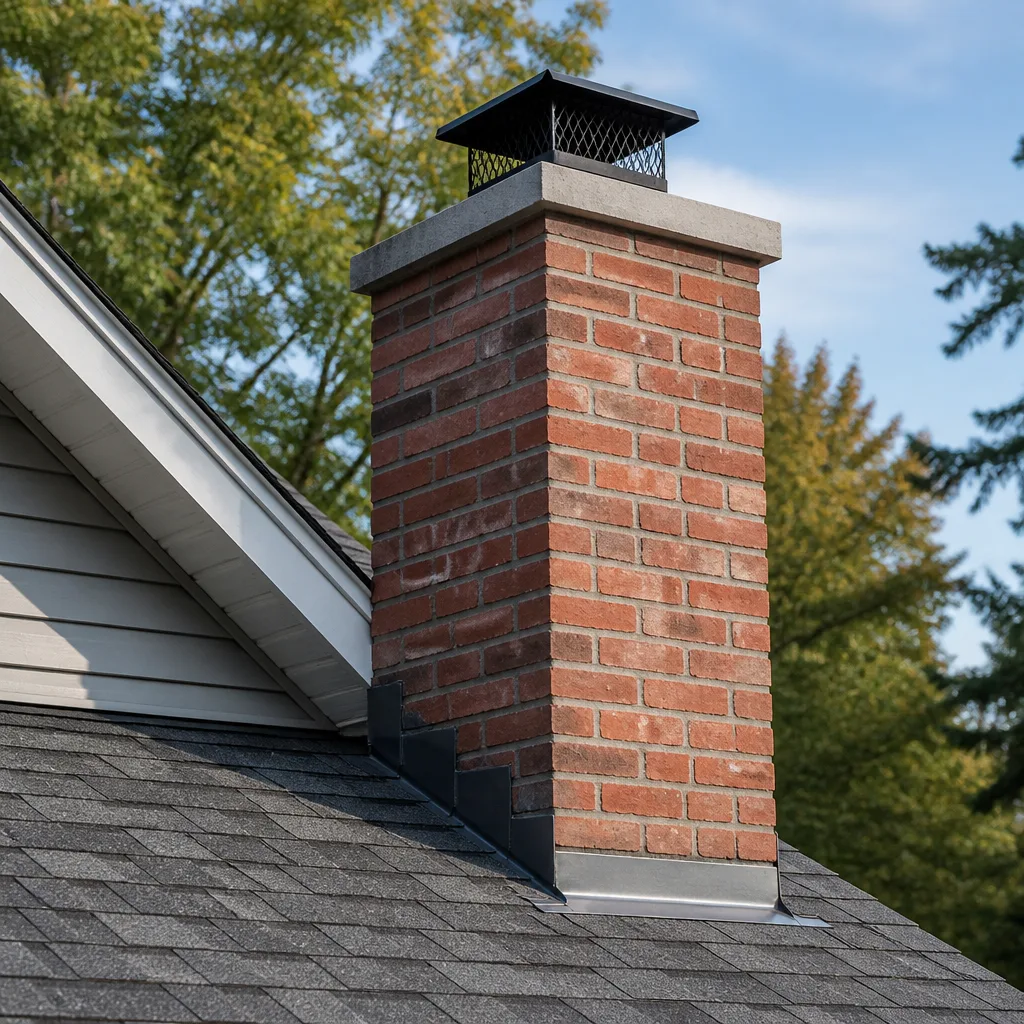 Masonry repair
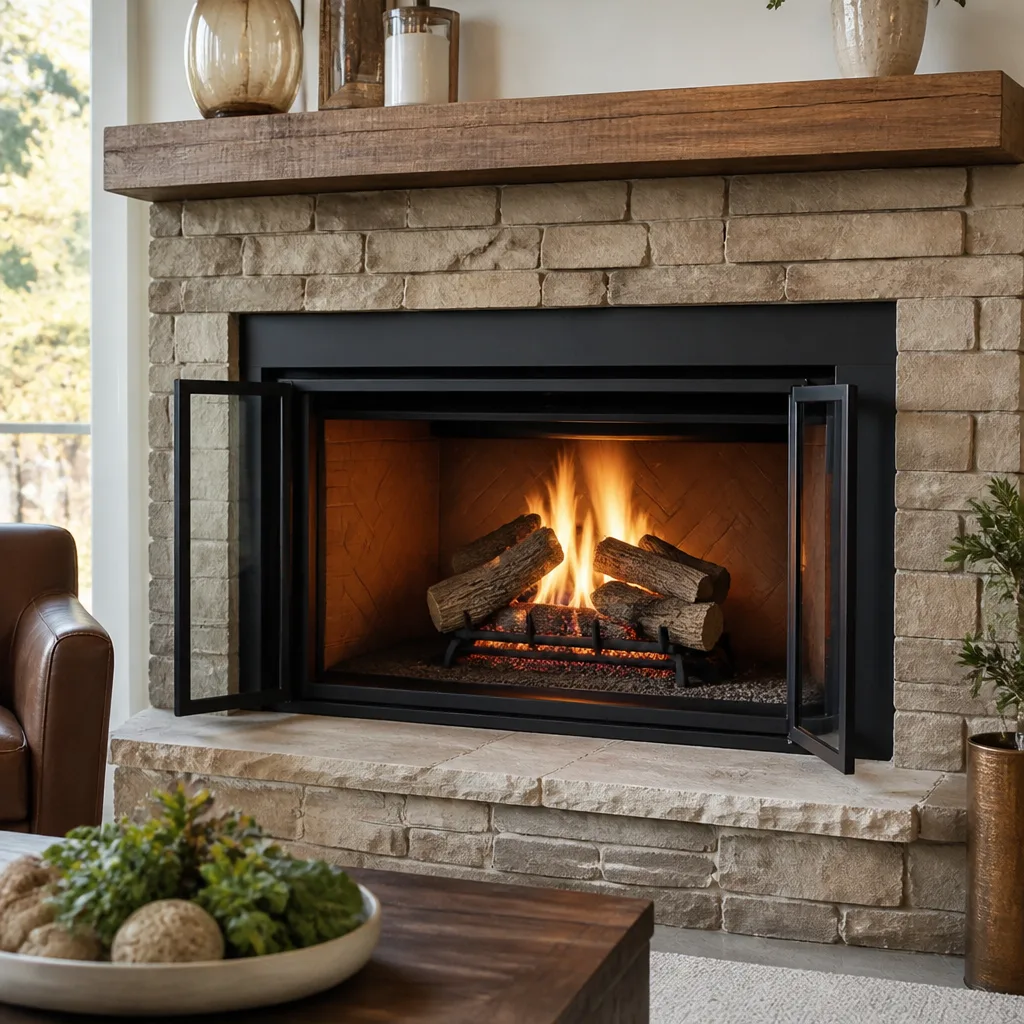 Gas fireplace service
Level 1 sweep and inspection to the NFPA 211 annual standard - flue, crown, cap, and flashing checked and photographed
Chimney sweep logs do not sweep chimneys. They loosen some creosote - which then falls where a brush and vacuum still have to collect it.
How to Hire a Chimney Cleaning Contractor in Broken Arrow: A Step-by-Step Guide
Oklahoma doesn’t license chimney sweeps. That single fact should change how you shop. Anyone with a van, a ladder, and a brush set can knock on your door in Broken Arrow, hand you a business card, and call themselves a professional. There’s no state exam to pass, no board to answer to, no license number to look up. Which means the burden of vetting falls squarely on you, the homeowner. This guide walks you through exactly how to separate a genuine chimney professional from a brush-and-go operator, starting with the questions that reveal the difference in about two minutes.
Styles & brands we work with
- Sweep & inspection
- Caps & crowns
- Flue relining
- Masonry repair
- Gas fireplace service
Quick Answer
To hire a chimney cleaning contractor in Broken Arrow, verify CSIA certification, confirm liability insurance and workers’ compensation coverage, ask whether the company does inspections and repairs in-house or hands them off, and demand a written report with photos before agreeing to any work. The best protection you have is documentation: a contractor who inspects, shows you what they found, and puts the scope in writing is one you can trust. A contractor who can’t answer those questions clearly is one to skip.
Table of Contents
- Why Hiring a Chimney Sweep in Oklahoma Requires Extra Diligence
- What CSIA Certification Actually Means (And Why It’s the Minimum Bar)
- The Five Questions to Ask Before You Book
- Red Flags Specific to Low-Cost Operators
- How to Verify Insurance in Oklahoma
- What a Legitimate Estimate Should Include
- Inspection-Capable vs. Cleaning-Capable: Know the Difference
- What’s Specific to Broken Arrow Homes
- Common Mistakes to Avoid
- When to Call a Professional
- Frequently Asked Questions
- The Bottom Line
Why Hiring a Chimney Sweep in Oklahoma Requires Extra Diligence
In states that license chimney technicians, a bad actor loses a credential that’s expensive to earn back. In Oklahoma, there’s nothing to lose. That doesn’t mean every sweep in Broken Arrow is cutting corners, but it does mean you can’t assume competence based on a magnetic sign on a truck.
The practical consequence is that certification becomes your first filter. The Chimney Safety Institute of America (CSIA) is the recognized credentialing body in this trade, and a CSIA-certified sweep has passed a proctored exam on venting systems, combustion, code requirements, and safety standards and is required to keep that credential current through continuing education. None of that is mandated by Oklahoma law, which is exactly why it’s a signal worth watching for. A company that chose to earn it chose to be measured against a national standard even though no one forced them to.
There’s a second layer of diligence specific to this part of the country. Homes in Broken Arrow see a real winter burn season and a shoulder season where the fireplace gets used sporadically. Creosote, the tar-like residue that builds up in flues, accumulates differently depending on how you burn, how dry your wood is, and how hot your fires run. A sweep who only brushes and leaves doesn’t assess any of that. A sweep who inspects and documents does.
That’s the fork in the road this guide is built around. Chimney sweep services are not all the same product, even when the price tag looks identical.
What CSIA Certification Actually Means (And Why It’s the Minimum Bar)
CSIA certification means the technician passed a standardized exam covering chimney and venting fundamentals, signed a code of ethics, and maintains the certification through ongoing education. It’s the closest thing this trade has to a professional license. It also means the company has something to lose if they cut corners.
Here’s what it doesn’t mean: it doesn’t guarantee great service, and it doesn’t guarantee the company does repairs. There are certified sweeps who only clean, and uncertified “sweeps” who do surprisingly careful work. But statistically, in a state with no licensing requirement at all, certification is the fastest screen you have.
When you call a company, ask directly: “Are your technicians CSIA-certified?” Then check. The CSIA maintains a searchable directory of certified professionals. It takes about ninety seconds to look someone up. Do it. If a company says they’re certified but the name doesn’t appear, that’s your answer.
Why does this matter more than price? Because the homeowner’s actual risk isn’t overpaying by forty dollars for a sweep. It’s paying for a sweep that misses a cracked flue tile, an unsealed flue joint, or a creosote deposit heavy enough to catch. Those are the problems that cause chimney fires and carbon monoxide intrusion. A certified technician is trained to see them; a brush-and-go operator is trained to finish the job and get to the next address.
Our technicians have up to 8 years of experience, and every one of them trains against that national standard rather than a house protocol.
The Five Questions to Ask Before You Book
If you only have one phone call’s worth of time, these five questions will sort the field better than any online review. Ask them in order and listen carefully to the answers.
- “Do you perform an inspection with the sweep, and do I get a written report?” The right answer is yes to both. A sweep without an inspection is a brush job with a receipt. A report without photos is a claim you can’t verify.
- “What level of inspection do you do?” The industry recognizes three levels. A Level 1 is visual with a hand tool; Level 2 adds a video scan of the flue; Level 3 requires access to concealed areas. Most routine annual visits are Level 1, but a Level 2 is the standard when you’ve changed fuels, bought a new home, or noticed a problem. A company that can’t explain the difference is not inspection-capable.
- “Do you do your own repairs, or do you refer them out?” Some companies sweep, find a problem, and hand you a card for somebody else. That gap is where things slip. A company that does its own chimney repair owns the whole outcome. We inspect it, we fix it, no runaround.
- “What brands do you work with?” A professional-grade operation will name specific materials without hesitation: DuraFlex liners, HeatShield resurfacing products, Gelco caps, Olympia Chimney. An operator who shrugs and says “whatever we get from the supply house” is telling you the recommendation will be price-driven, not spec-driven.
- “Can you send me your written estimate scope in advance?” Not the price. The scope. What’s included, what’s excluded, what triggers additional cost. A company that can’t describe the scope before showing up won’t describe it well afterward either.
Any company worth hiring will answer all five without flinching. When a question gets a vague answer or a redirect, that’s the information.
Red Flags Specific to Low-Cost Operators
Low-cost sweeps exist for a reason: there’s real demand for a cheap annual cleaning, and the work is unlicensed. But the pattern of what goes wrong is remarkably consistent. Watch for these.
- Vague scope of work. “We’ll do a standard chimney cleaning” is not a scope. Standard to whom? What’s included, how long does it take, what happens if the technician finds a blockage or an obstreperous damper?
- No written report. If the technician can’t hand you a document with their findings, photos, and recommendations, you have no record of your chimney’s condition from year to year. That matters for insurance and resale.
- Pressure to upsell on the same visit without documentation. If a technician says you “urgently need” a liner or crown repair and can’t show you a photo of what they’re pointing at, push back. Legitimate findings can be photographed or video-scanned. The homeowner should see the evidence before approving a job.
- Cash-only, no receipt. A real business collects payment through standard channels and provides an invoice. Cash-only isn’t automatically disqualifying, but combined with no written report and no fixed business address, it’s a pattern.
- No certification claim, or a certification claim you can’t verify. Either one is enough to move on.
- Price quoted over the phone with no inspection. A sweep can give you a typical range for a sweep, but a firm price for anything beyond that without seeing the flue is guesswork dressed up as a quote.
None of these flags are about being expensive or cheap. They’re about whether the company is inspection-capable and documentation-oriented. The five-star operator charging below market with a written report every time exists; the one charging above market with a notebook full of vague recommendations is more common than you’d like.
How to Verify Insurance in Oklahoma
Here’s the part almost no homeowner checks, and the one that matters most the moment a technician climbs onto your roof. Ask for a certificate of insurance and actually call the carrier to confirm it’s current.
- Ask for the certificate. Legitimate contractors carry a certificate showing general liability coverage. A quick email of that certificate is standard practice on any commercial job; it’s not an unusual request.
- Confirm the policy is active. The certificate lists the insurance carrier’s phone number. Call it. Ask whether the policy number on the certificate is in force as of today. Certificates can be canceled mid-term; the carrier can tell you in a two-minute call.
- Ask about workers’ compensation. This matters if a technician is injured on your property. In Oklahoma, workers’ comp covers on-the-job injuries; if the company doesn’t have it, the injury risk can come back to you.
- Check the entity name. The certificate should match the company name on the contract or invoice. Mismatches are worth asking about.
The reason this matters here specifically: chimney work puts someone on your roof, sometimes on a steep slope, sometimes at height above a masonry structure. If you’re told “we’re covered” but haven’t seen the certificate, you have no idea whether that’s true. Asking is normal. Any professional operation will provide the certificate without hesitation.
What a Legitimate Estimate Should Include
A written estimate is a professional deliverable, not a formality. The quality of the document tells you a lot about how the job will go.
A legitimate chimney estimate in Broken Arrow should include:
- The scope of work in plain language. “Sweep flue, remove creosote, Level 1 inspection with photo report” is a scope. “Chimney service” is not.
- Itemized pricing. Each task priced separately so you can see what drives the total.
- Product specifications for any materials. If a liner is being replaced, name the product. DuraFlex, HeatShield resurfacing, and Olympia Chimney components are industry-trusted brands and worth confirming on the estimate. Generic “chimney liner” is a blank check.
- What’s not included. If the estimate doesn’t say what triggers additional cost, assume the trigger exists and plan for it.
- A clear date and the company’s contact information. An estimate without a letterhead and date is a casual conversation, not a document.
- Payment terms. When it’s due, how it’s collected, and whether a deposit is required.
What’s missing in the absence of a written estimate? Accountability. When a job goes sideways and there’s no document, you have no leverage. That’s why the estimate itself is a trust signal worth weighing seriously.
Inspection-Capable vs. Cleaning-Capable: Know the Difference
This is the distinction that separates the two species of chimney company, and it’s the one most homeowners miss.
A cleaning-capable company shows up with a set of brushes and a shop vac and leaves a cleaner chimney. That’s a real service and there’s nothing wrong with it. But cleaning-capable companies are not trained to identify failed flue tiles, corrosion on a liner, combustion-appliance venting problems, or the crevice-level creosote deposits that brushes don’t reach.
An inspection-capable company adds two things: the training to know what to look for, and the tooling to see it. Camera equipment, video documentation, moisture meters, and the report-writing practice that turns “I saw something” into a piece of paper you can read and re-read.
The practical test is the five questions above. If a company can explain the levels of inspection, name the brands they install, and does their own repair, they’re inspection-capable. If they can’t, they’re a brush job with better marketing.
This matters most in a place like Broken Arrow because the housing stock is varied. Homes range from newer builds with factory-built fireplaces to older masonry chimneys that have been through decades of use. A brush doesn’t see the difference. An inspection does. And when the inspection turns up something that needs fixing, being able to schedule it with the same company, using components they stand behind, is worth a lot of convenience and a lot of risk reduction.
We’ve built Flagship Chimney Sweep around that full loop: sweep, inspect, repair, one company from start to finish.
What’s Specific to Broken Arrow Homes
Chimney care here isn’t generic. A few things shape how a Broken Arrow job usually goes.
The winter burn season brings cold snaps followed by mild stretches. Wood fires run hot for a few weeks and then idle. That on/off pattern tends to produce different creosote than steady daily burning: sometimes a hardened glazed deposit that brushes won’t touch, sometimes looser flake that’s easier to remove. A sweep who knows to check the creosote type is doing more than a brush pass. A sweep who photographs it is giving you something to track season to season.
Rain and freeze-thaw cycles also get to masonry. A missing or rusted cap, a cracked crown, and a hairline gap in the mortar between flue tiles all let moisture in. Once water gets into brick and then freezes, the damage compounds. This is why a routine visit is worth doing before the first cold snap rather than after: catch the moisture problem in October and it’s a fix; find it in February and it may be masonry work. A Broken Arrow homeowner who schedules the annual sweep in the shoulder season avoids most of the worst surprises.
The local market for these services is also worth understanding. There’s no licensing requirement, so companies range from fully certified operations with a repair capability to single-truck operators with a brush and a ladder. That’s not a criticism of the small operator; it’s a reality of the industry here. The homeowner’s job is to ask enough questions to know which one is standing on the porch.
We won’t tell you pricing is uniform, because in this market it isn’t. What we can tell you is what an estimate should contain and what to expect from the job itself. Those are consistent regardless of what you pay.
Common Mistakes to Avoid
- Booking based on price alone. The lowest bidder is often the least inspection-capable, which means you save thirty dollars and miss the problem that matters. A cheap sweep you have to repeat, or that misses a liner failure, isn’t cheap.
- Not asking for a written report. The report is your record. Without it, you have no way to track condition from year to year or prove what was found if you ever sell the house.
- Approving an upsell on the spot without documentation. If a technician recommends a repair, ask to see the photo or video. A professional will show you, not just tell you.
- Assuming insurance without proof. “We’re insured” is a sentence. The certificate with a current date and a carrier phone number is verification. Ask, then confirm.
- Skipping the annual inspection because the fireplace “seems fine.” Most serious chimney problems don’t announce themselves. The whole point of an inspection is to find what you can’t see from the living room.
- Hiring a sweep-only company for a repair job. They’ll either turn it down or subcontract it. Scheduling both with the same company means no gap between diagnosis and solution.
- Not asking about product brands. If you can’t get a straight answer about what’s being installed in your chimney, you can’t evaluate the quality of the work. DuraFlex, HeatShield, Gelco, Olympia Chimney: these names matter because they represent warrantied, professional-grade components rather than whatever was on the shelf that week.
When to Call a Professional
You should call a professional chimney company in Broken Arrow when any of these apply. The annual sweep and inspection is the baseline, but several situations call for faster action.
- It’s been more than a year since the last inspection, regardless of how much you’ve burned.
- You smell smoke in the house when the fireplace is lit, or the fire doesn’t draft properly.
- You’ve noticed water in the firebox, a rusted damper, or a chimney cap that’s missing or damaged.
- You’ve had a chimney fire, even a small one. Even a brief one can damage flue tiles.
- You’ve just bought the home and don’t have a maintenance history for the chimney.
- You’re changing fuels, adding an insert, or replacing an appliance.
- You see staining on the exterior chimney or crumbling mortar at the crown.
None of these is a reason to panic, but each is a reason to schedule. Flagship Chimney Sweep offers free estimates in Broken Arrow – call (866) 389-4464. We answer 24/7, and fast dispatch runs 7am to 7pm, Sunday through Friday. The written estimate sets the price per job; there’s no charge for getting the quote.
Frequently Asked Questions
The cost depends on the flue configuration, how much creosote has built up, and whether an inspection is part of the visit. Prices vary by company and by job, and the written estimate should be your source of truth. What you should insist on regardless of price is a written scope and a report with photos; those are what make a sweep a professional visit rather than a brush pass. Call (866) 389-4464 for a free estimate – the estimate itself is free, and we’ll walk you through what the job includes.
Not always. A liner is recommended when the existing flue is cracked, deteriorated, incorrectly sized for the appliance, or has lost its protective inner surface. The recommendation should come only after an inspection has produced visual evidence, and you should always see the photo or video before approving a liner job. A professional will also tell you plainly when a repair can safely wait. If a company recommends a liner without showing you why, get a second opinion. Call (866) 389-4464 for an inspection that documents what’s actually happening in your flue.
Once a year for most homes, and more often if you burn heavily or use the fireplace as a primary heat source. The annual visit should include both a cleaning and an inspection, since the inspection is what catches problems a sweep alone would miss. Homes that burn softwood, or burn throughout the winter without a proper hot fire, tend to build creosote faster and may need a mid-season check. Call (866) 389-4464 to book an annual visit and start a condition record for your chimney.
Creosote continues to accumulate, which raises the risk of a chimney fire. At the same time, problems like cracked flue tiles, failed liner joints, or a moisture-compromised crown go unnoticed until they become expensive. The carbon monoxide risk also climbs when venting fails, which is why this isn’t a maintenance item you can defer indefinitely. Call (866) 389-4464 for a free estimate and let a technician show you what condition your flue is in.
No. Oklahoma doesn’t license or require certification for chimney sweeps, which is exactly why certification is a valuable signal: the company chose to be held to a national standard even though nothing in state law requires it. Always verify the certification through the CSIA’s directory rather than relying on the technician’s word. Call (866) 389-4464 to talk with a certified technician about your chimney.
Ask for a certificate of insurance, then call the carrier listed on the certificate to confirm the policy is current. Also ask whether the company carries workers’ compensation coverage, especially if a technician will be on your roof. A legitimate contractor will provide this without hesitation. If you don’t get a certificate or the carrier can’t confirm coverage, keep looking. Call (866) 389-4464 if you’d like to talk through what a properly insured job looks like.
The Bottom Line
Hiring a chimney sweep in Broken Arrow isn’t about finding the lowest price or the best-reviewed name. It’s about confirming that the company is inspection-capable, properly insured, and accountable to something beyond its own word. Ask the five questions. Verify the certification. Get the certificate of insurance. Insist on a written scope and a written report. Those four steps take about twenty minutes and they separate the professional from the brush-and-go operator more reliably than any online review.
Your chimney is a safety system first. Treating the hiring decision that way is the first step toward getting the care it needs.
Flagship Chimney Sweep offers free estimates in Broken Arrow. Call (866) 389-4464 to schedule one. We answer 24/7, and fast dispatch runs 7am to 7pm, Sunday through Friday. The written estimate sets the price per job, and our technicians have up to 8 years of experience working with professional-grade materials from DuraFlex, HeatShield, Gelco, and Olympia Chimney.
Written by the team at Flagship Chimney Sweep.
See the difference
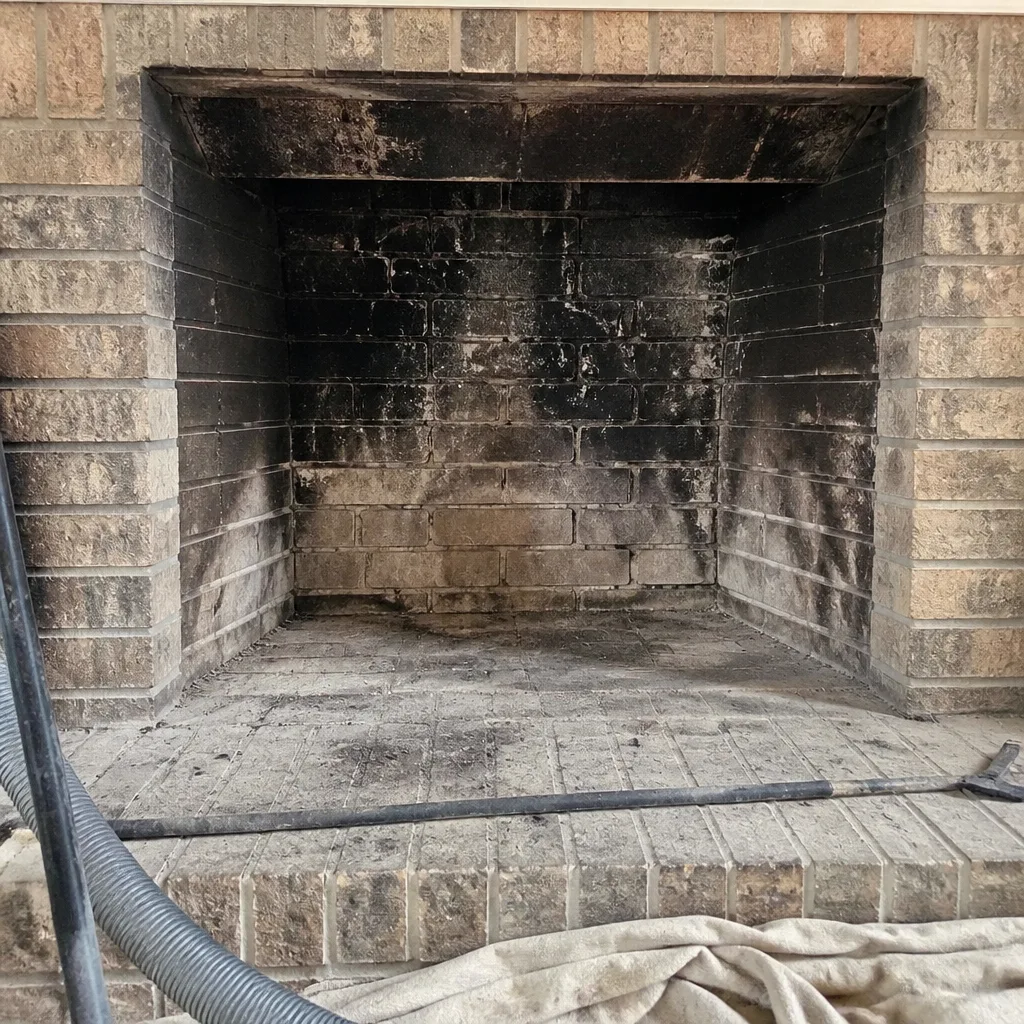 Before
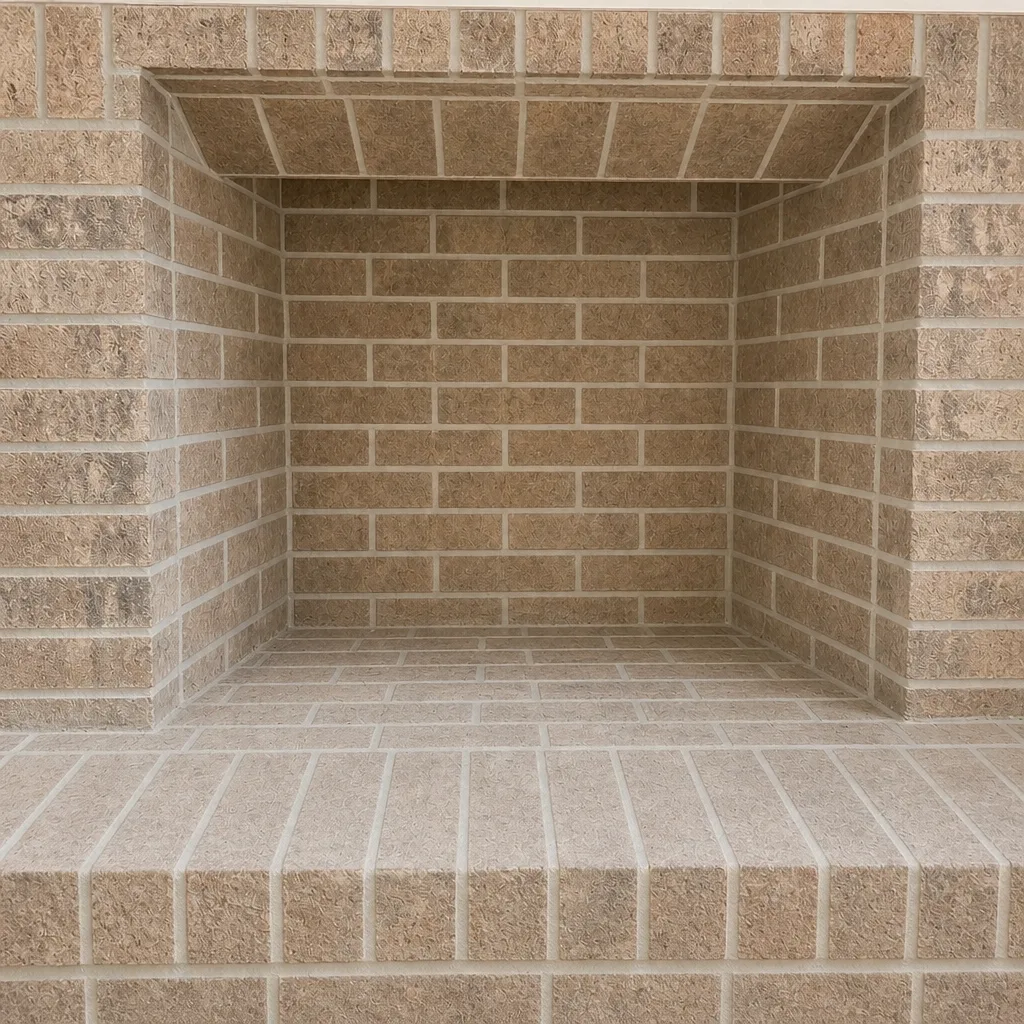 After
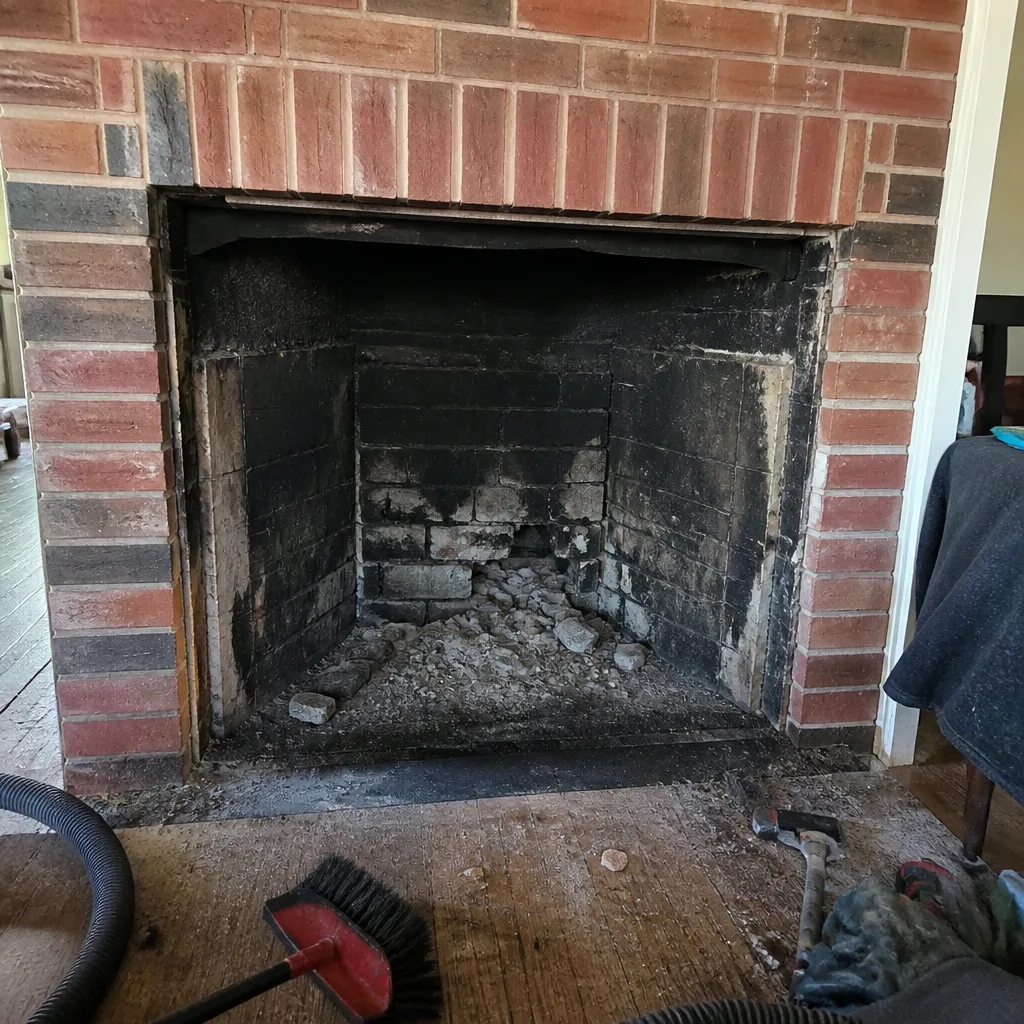 Before
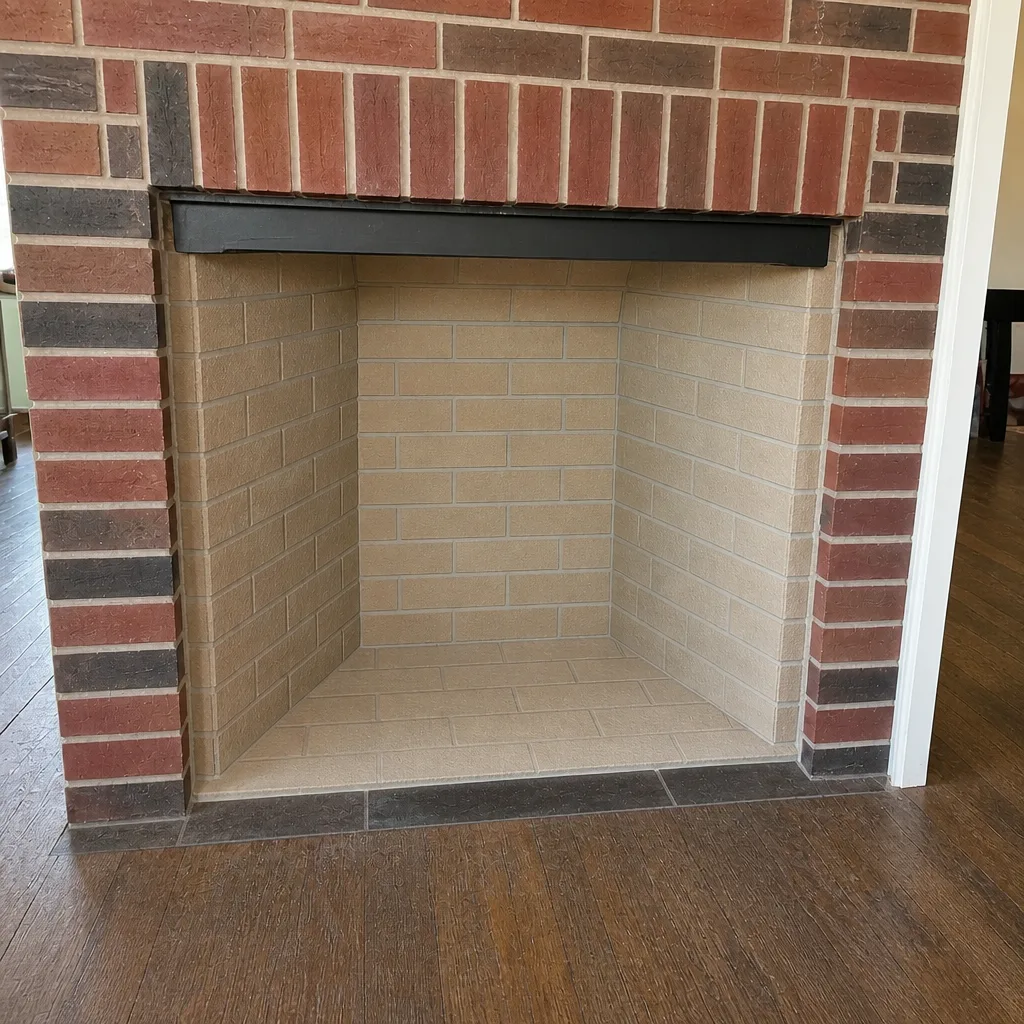 After
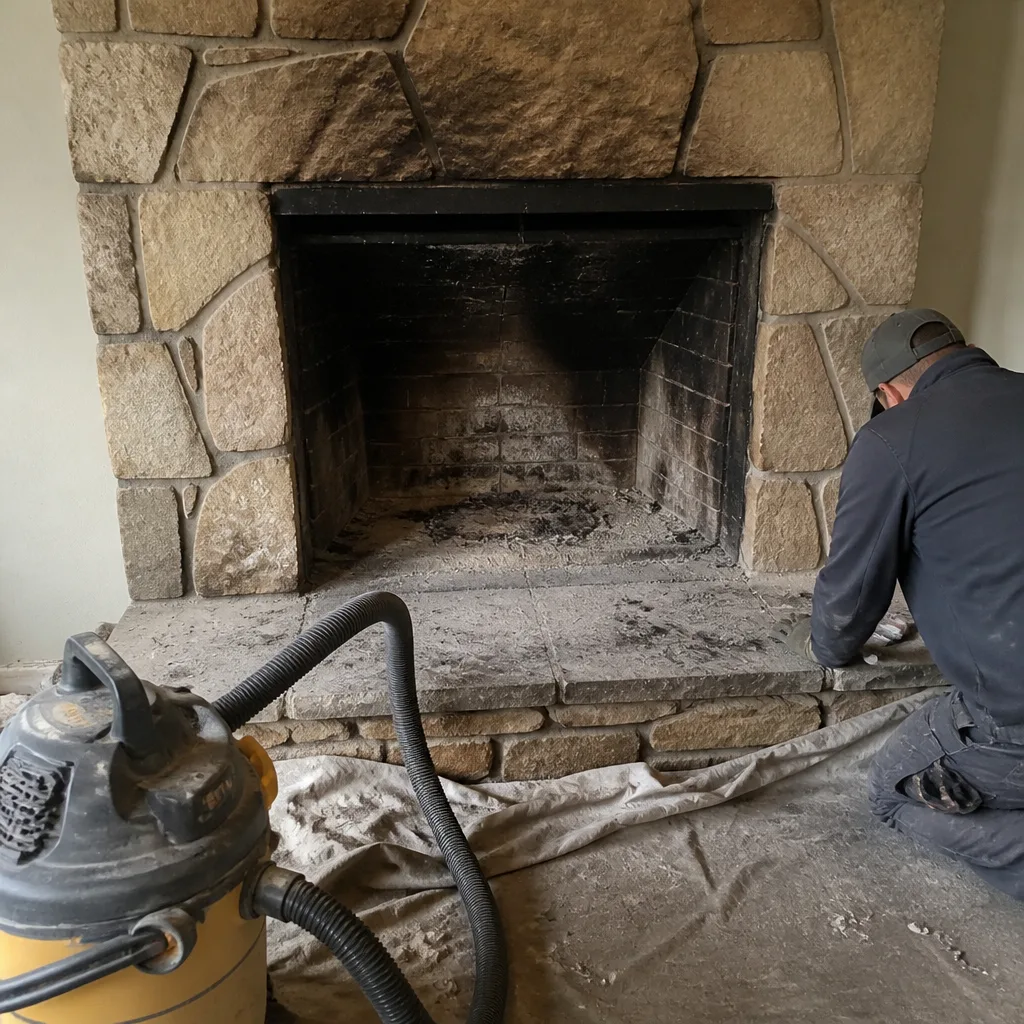 Before
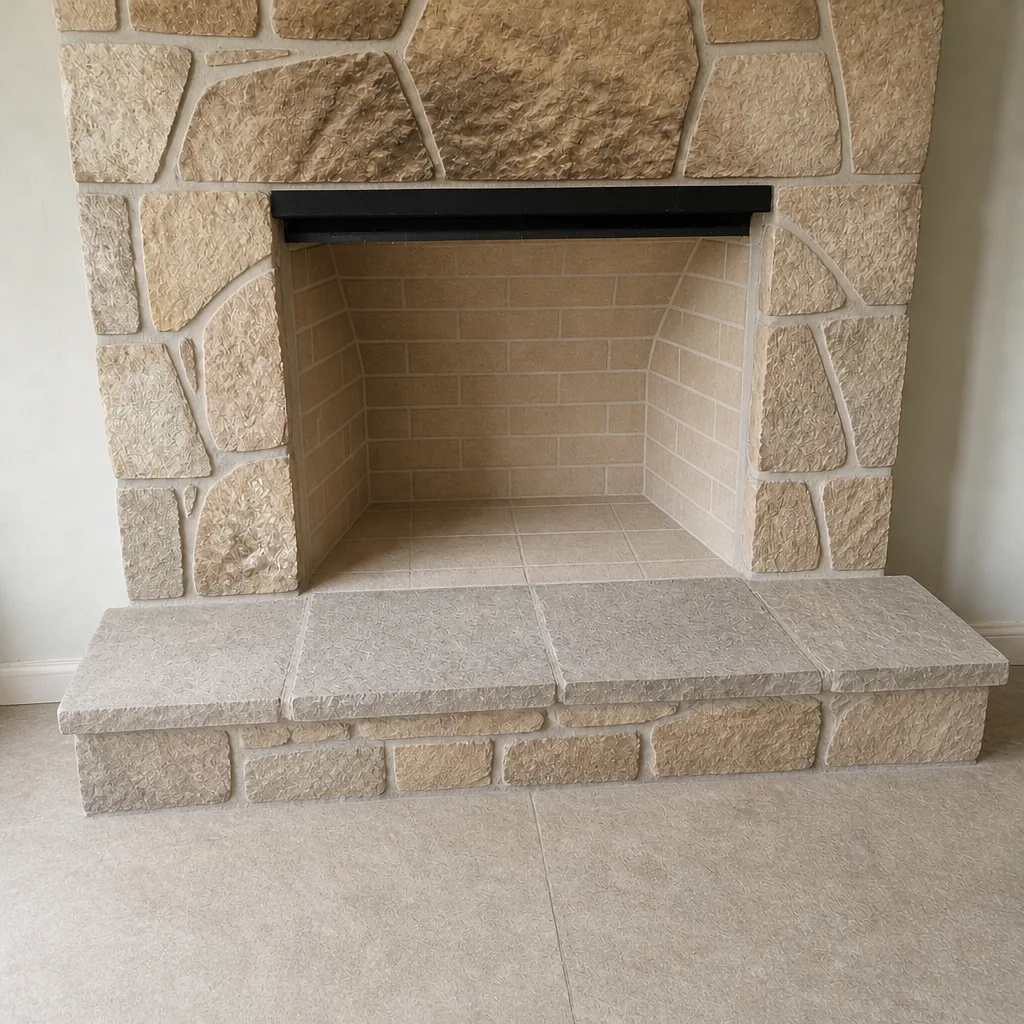 After