
Last updated November 15, 2026
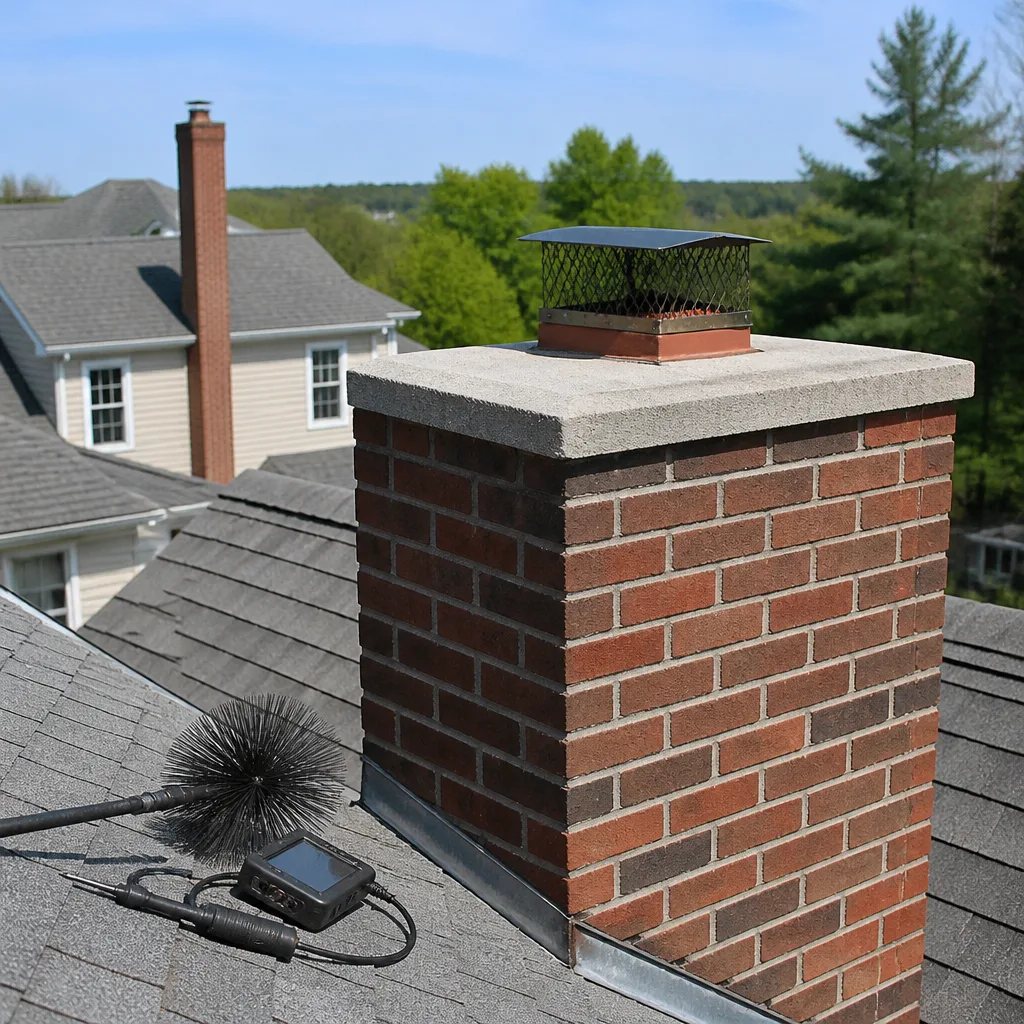 Sweep & inspection
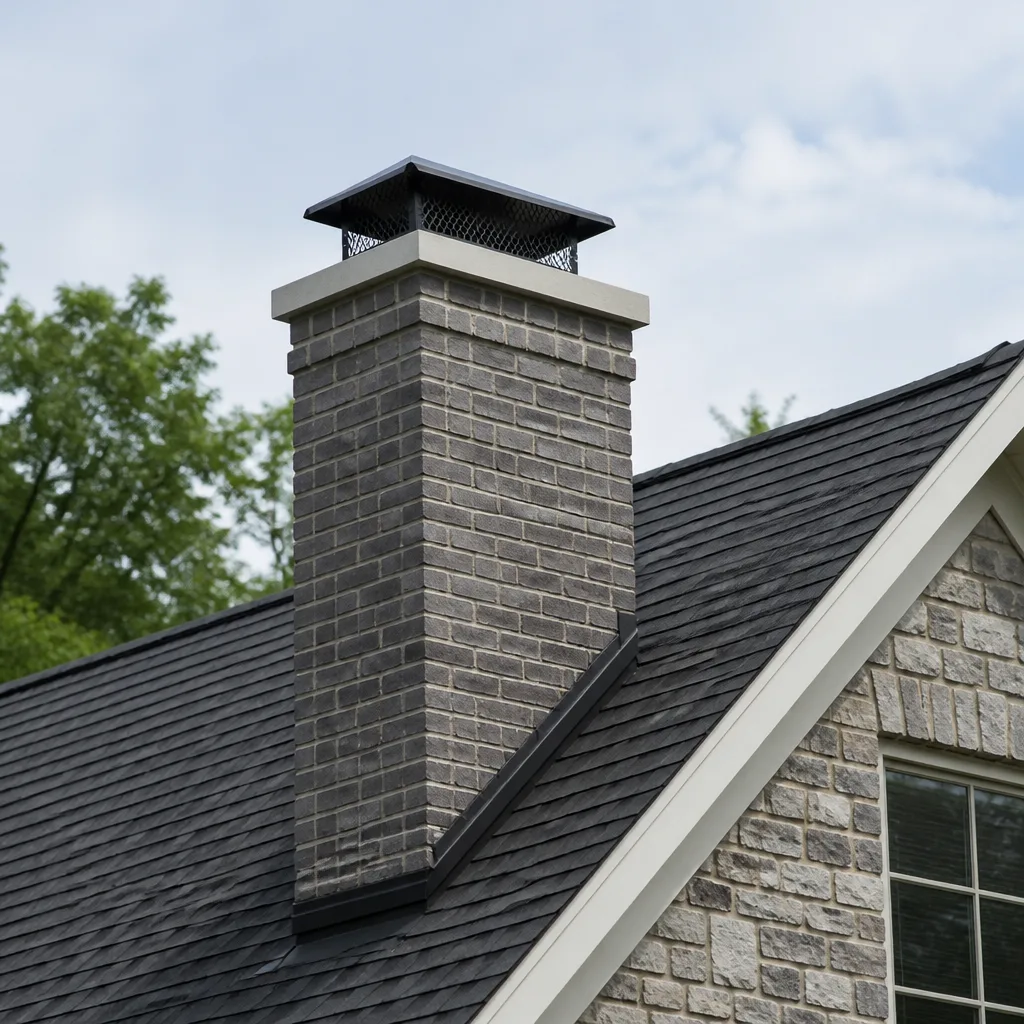 Caps & crowns
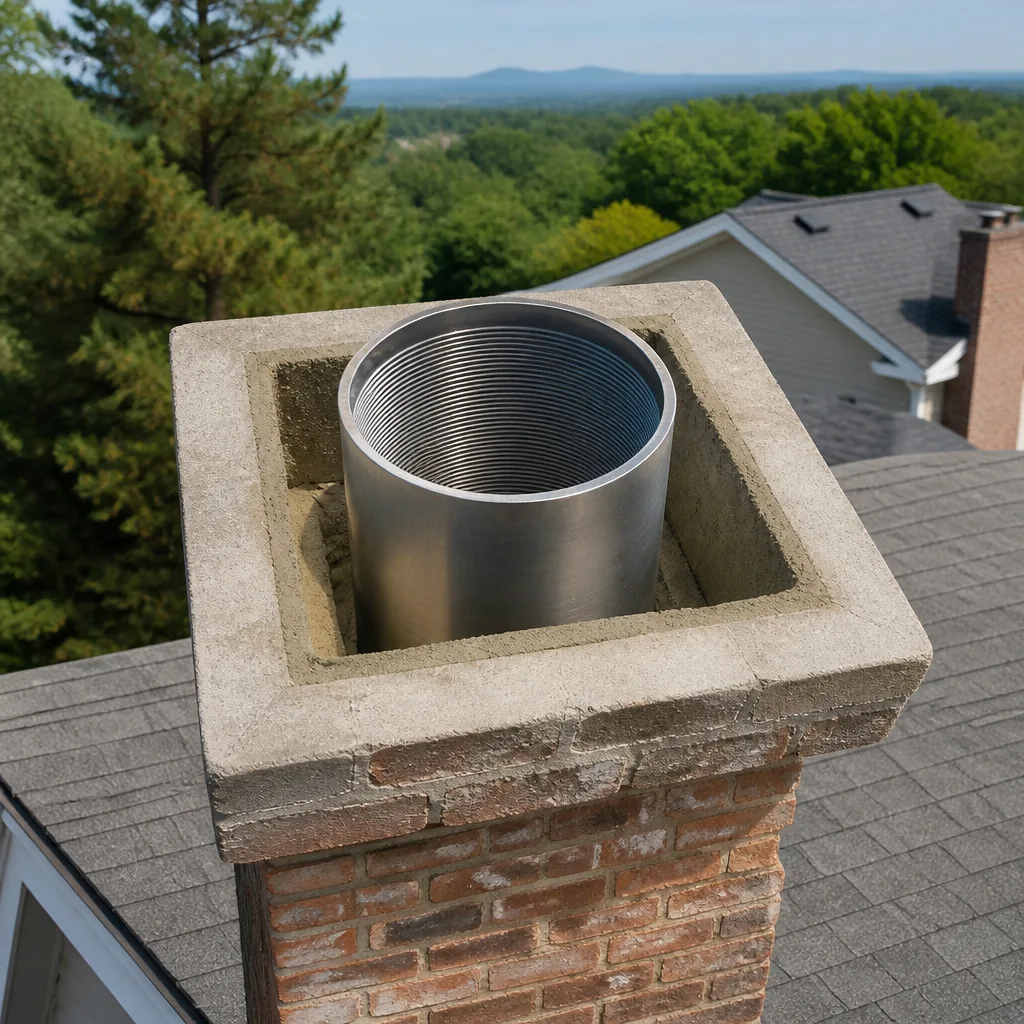 Flue relining
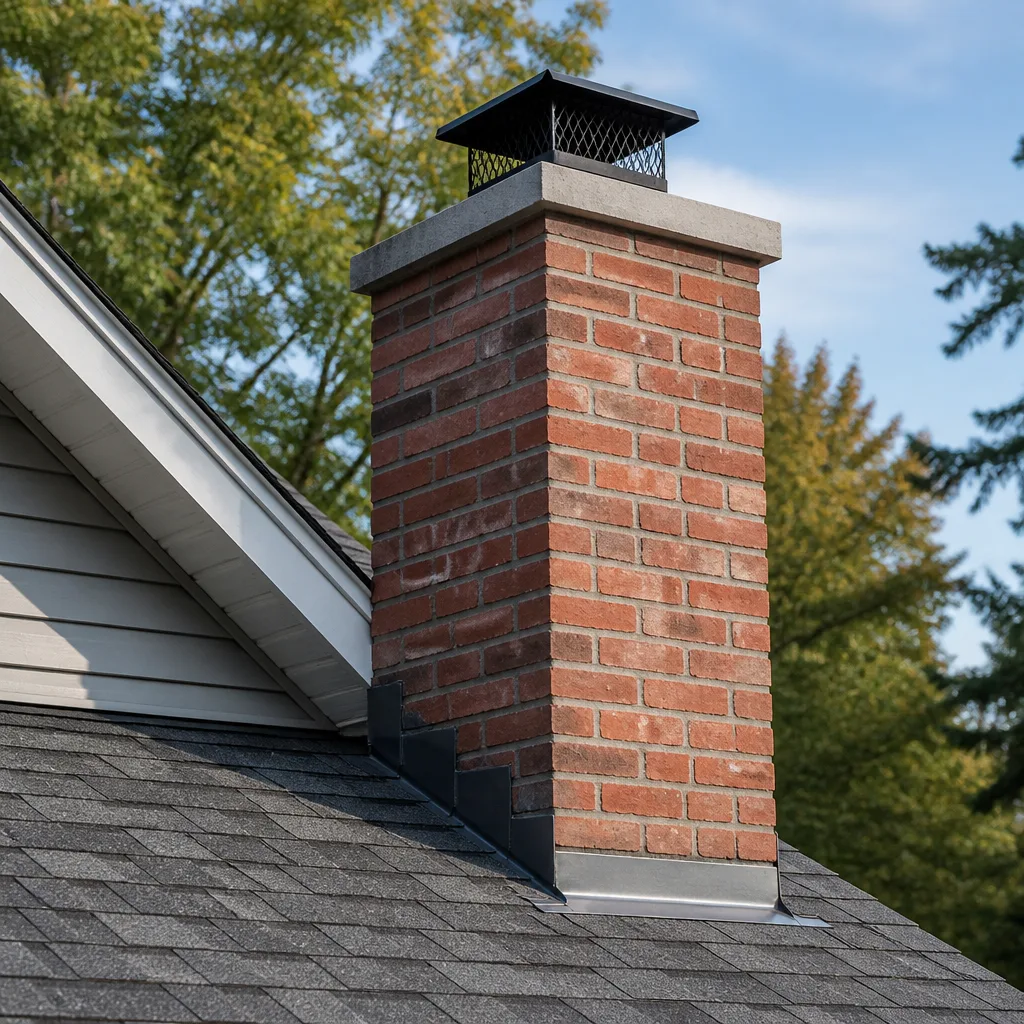 Masonry repair
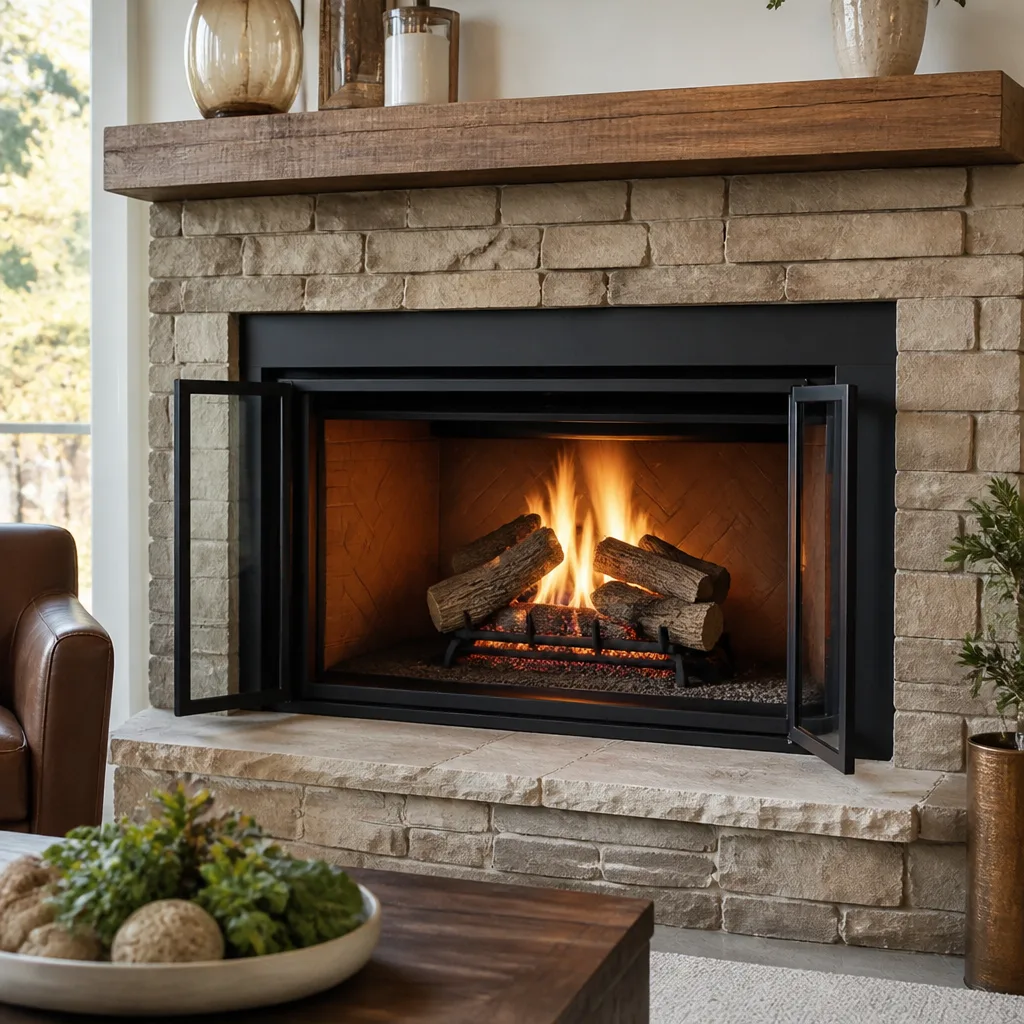 Gas fireplace service
Level 1 sweep and inspection to the NFPA 211 annual standard - flue, crown, cap, and flashing checked and photographed
Chimney sweep logs do not sweep chimneys. They loosen some creosote - which then falls where a brush and vacuum still have to collect it.
Seasonal Chimney Cleaning Care for Broken Arrow: Year-Round Homeowner’s Guide
Most homeowners treat a chimney sweep like a flu shot: one appointment a year, usually in the fall, and they consider the box checked. That schedule feels sensible, and in Broken Arrow it leaves a gap. The conditions that lead to the worst chimney problems here are set in motion months before the first cold snap, when nobody is thinking about the fireplace. Birds claim open flues in spring, Oklahoma humidity works on mortar all summer, and hail and wind arrive without warning. By the time you light the first fire, the damage is often already there. This guide walks through what each of Broken Arrow’s four seasons actually does to a chimney, and the one task each season that protects you most. We’ll also cover timing, what an inspection should catch, and how to handle a chimney during an ice storm.
Quick Answer
Chimney care in Broken Arrow works best as a four-season routine, not a single fall appointment. Sweep and inspect in late summer or early fall before the burning season, cap the flue before spring nesting, check mortar and the cap after summer storms, and watch the flue closely through winter ice events. The single highest-value habit is booking your pre-season sweep earlier than most people do: late August into September, before the autumn rush fills up.
Styles & brands we work with
- Sweep & inspection
- Caps & crowns
- Flue relining
- Masonry repair
- Gas fireplace service
Table of Contents
- Why a Chimney Has Four Seasons in Broken Arrow
- Spring: Nests, Caps, and the Fire Hazard Nobody Sees
- Summer: Oklahoma Humidity and the Mortar Problem
- Fall: The Right Time to Sweep Before the Season
- Winter: Managing a Chimney Through an Ice Storm
- The One Task Each Season That Pays Off Most
- What a Proper Inspection Should Cover
- How Chimney Work Is Priced in Broken Arrow
Why a Chimney Has Four Seasons in Broken Arrow
Most chimney problems don’t come from one dramatic event. They come from a slow build across the calendar year. In Broken Arrow, that means four genuinely different sets of conditions hitting the same structure. Spring brings nesting wildlife. Summer brings humidity and storm damage. Fall is your window to prepare. Winter is when everything gets tested by fire and ice at once.
A chimney is a safety system first. It moves hot smoke and dangerous gases up and out of your home, and every part of that path can be compromised by weather it sits through all year. The flue lining, the mortar joints, the crown at the top, the cap, the flashing where the chimney meets the roof: each one takes a different kind of beating depending on the season.
That’s why we encourage homeowners to think in terms of prevention rather than reaction. A chimney that’s inspected and swept on a seasonal rhythm catches small problems while they’re still cheap. A chimney that only gets attention when something smells wrong or draws poorly is usually catching up to damage that started months earlier.
In our experience across Broken Arrow, the homeowners who have the fewest surprises are the ones who understand their chimney as a system with a maintenance cycle, not an appliance you fix when it breaks. That shift in thinking is the whole point of this guide.
Spring: Nests, Caps, and the Fire Hazard Nobody Sees
April and May are when birds and squirrels establish nests in uncapped flues. It happens fast, and it happens to chimneys that sat open all winter with no cap on top. A flue is a warm, sheltered, elevated cavity with a ready-made ledge. To a nesting animal, it’s prime real estate.
The problem isn’t just the nuisance of wildlife in your chimney. It’s what the nesting material becomes. Twigs, dry grass, leaves, and fur collect on the smoke shelf and cling to the flue walls. Over a single season that material dries out into the exact kind of tinder that ignites when a stray ember or a hot flue wall reaches it. Nesting material left in a flue and then exposed to heat is a fire hazard, and it can sit there unnoticed for months.
Here’s how to handle spring:
- Cap the flue before nesting season peaks. A properly fitted cap keeps animals out entirely. We use Gelco caps and similar professional-grade components because a cap that doesn’t fit well or isn’t fastened properly just becomes a launching point for the next problem.
- Inspect the cap you already have. Winter wind and ice can loosen a cap or crush its mesh. A damaged cap is worse than no cap, because it lets animals in and blocks the flue at the same time.
- If animals got in, get the flue swept and inspected. Nesting material has to come out completely, and the flue should be checked for cracks or blockages the animals may have caused.
- Check for birds active in the chimney. If you hear scratching or chirping, don’t light a fire. Get it cleared first.
Of everything we do in spring, capping an open flue is the clearest win. It’s a small job that prevents a whole category of damage: blocked draft, nesting fires, and animal activity. If your chimney sweep appointment comes up in spring, ask about the cap while the technician is up there.
Summer: Oklahoma Humidity and the Mortar Problem
Oklahoma summers are hard on masonry. Weeks of humidity followed by storm-driven rain, then more heat, then more rain. Mortar joints are porous, and when they stay damp they break down faster than most homeowners expect. The joints crack, crumble, and let water migrate deeper into the brick and the flue structure.
This is also when storms do their damage. Hail and high winds can loosen flashing, chip the crown, dislodge a cap, or knock bricks out of alignment. What looks fine from the ground can be a problem at the roofline, which is exactly why a post-storm inspection matters.
A summer post-storm inspection should cover:
- Mortar joints on the chimney exterior, checked for cracking, crumbling, or missing mortar.
- The crown at the top of the chimney, which is the concrete cap that sheds water away from the masonry. Cracks in the crown let water in.
- Flashing where the chimney meets the roof, since wind and hail commonly lift or damage it and open a leak path.
- The cap and spark arrestor, checked for dents, crushed mesh, or loosened fasteners.
- The flue interior, since water that gets into the masonry can affect the liner and interior surfaces too.
When mortar or the crown needs real repair, temporary patching just means you’ll be back at it next storm. We resurface crown and masonry problems with HeatShield products because the fix is meant to hold, not to get us back in the same spot next season. That’s the difference between built to last and built to last until the next hard rain.
Fall: The Right Time to Sweep Before the Season
Most homeowners in Broken Arrow schedule their sweep in October. It feels natural, since the first fire is coming. The problem is that October is the busiest month for chimney work, and waiting until the season is at your door is the wrong time to discover a repair need that could delay your first fire.
The better window is late August into September, before the pre-season rush. Here’s what that timing buys you:
- You get the sweep done while appointments are open. Scheduling earlier means you’re not competing with the whole neighborhood for the same narrow calendar window.
- You find problems with time to fix them. If the inspection turns up a cracked liner or failing mortar, you have time to repair before you light the first fire, not after.
- You can confirm the flue is clear before the season starts. Nesting material from spring, soot from last winter, and summer debris all get removed before they can cause trouble.
- You go into the season knowing the system is ready. That peace of mind comes from evidence, not from hoping it works when you test it on a cold night.
A pre-season sweep should be paired with a full inspection. The sweep clears what’s accumulated, and the inspection tells you the condition of the flue, the cap, the masonry, and the firebox. One visit, both answers. That’s part of why we run sweep, inspection, and repair as one integrated service, so you aren’t handed off to a second company for the repair.
If you’re a first-time fireplace owner in Broken Arrow, the fall appointment is the one to get on the calendar early. Booking by late summer keeps you ahead of the crowd.
Winter: Managing a Chimney Through an Ice Storm
Chimney fire risk in Broken Arrow peaks in January and February. That’s when the fireplace runs most, when a flue that was only partly compromised in summer gets tested by daily fire, and when ice storms bring a different hazard entirely.
An ice storm can freeze your cap, block the flue with ice, or worse, form ice at the top of the chimney that obstructs the smoke path. A partially blocked flue during winter is the condition you want to avoid: it forces smoke and carbon monoxide back into the home instead of up and out. If you smell smoke indoors or your carbon monoxide alarm sounds, stop using the fireplace and get the chimney checked.
Managing the chimney through winter is mostly about watching for signs and knowing when to stop burning:
- Watch for a frozen cap or visible ice at the flue. If you can safely see a blockage from below or the draft is failing, treat it as a blockage.
- Watch the draft. If the fireplace suddenly draws poorly, or smoke rolls back into the room, don’t keep burning.
- Listen to your carbon monoxide alarms. Treat any alarm as a reason to ventilate the home, leave the fire off, and get a professional inspection.
- Don’t try to chip ice or clear a flue from the roof in icy conditions. Steep-roof and height work is genuinely dangerous, especially in ice. That’s a job for a trained professional.
- Keep a clear, dry store of firewood and manage burn habits. Hot, efficient fires from dry wood produce less creosote than smoldering, low-oxygen burns do.
After an ice storm passes and conditions are safe, a post-storm inspection is worth doing. Ice can crack the crown, loosen a cap, or open a joint that looked fine in the fall. That inspection is how you find out before the next fire tests it.
The One Task Each Season That Pays Off Most
If you only do one thing per season, these are the four that prevent the most expensive repairs:
- Spring: cap the flue. Capping the chimney before nesting season keeps animals out and closes off the path that nesting material uses to become a fire hazard. Highest return of any spring task.
- Summer: inspect mortar and crown after storms. Catching cracked mortar or a damaged crown before water migrates deeper saves the masonry from ongoing repair. This is the cheap fix that prevents the expensive one.
- Fall: sweep and inspect before the season, earlier than you think. A late-summer or early-fall sweep clears the flue and gives you time to fix whatever the inspection finds. Doing it in October is fine if you schedule early, but waiting until the season is here is where people lose time.
- Winter: watch the draft and the alarms. Spotting a blocked flue or a failing draft early prevents the worst-case scenario of carbon monoxide indoors. This is the season when vigilance matters most.
This four-season rhythm is what “seasonal chimney care” actually looks like in practice. It’s not four separate services; it’s one structure, watched and maintained across the year so no single season’s damage compounds on the next.
What a Proper Inspection Should Cover
An inspection that only looks down the flue from the firebox misses most of what matters. A proper inspection checks the whole system, inside and out, top to bottom.
Here’s what a thorough inspection covers in Broken Arrow:
- The flue interior, checked for creosote buildup, cracks, gaps, and buildup that could obstruct draft.
- The flue liner, which is the barrier between the fire and the surrounding structure. A damaged liner lets heat and gases reach places they shouldn’t.
- The firebox and smoke shelf, checked for cracks, missing refractory, and buildup that affects performance.
- The damper, which should open, close, and seal correctly.
- The crown and cap, checked for damage and blockage.
- The masonry and mortar joints on the exterior, checked for cracks and deterioration.
- The flashing at the roofline, checked for leaks.
We inspect it, we fix it, no runaround. Because we do our own repair work and don’t subcontract it, the person who finds the problem is the person qualified to solve it. When a liner or masonry repair is needed, the fix uses professional-grade materials like DuraFlex liner systems or HeatShield resurfacing, and we can explain why a given spec fits your chimney rather than recommending whatever’s cheapest.
An inspection should always leave you with a clear picture of what’s fine, what needs attention now, and what can safely wait. If a company can’t explain why a repair is needed in terms you can verify, that’s a reason to get a second opinion, not to sign.
How Chimney Work Is Priced in Broken Arrow
Chimney work in Broken Arrow is priced per job based on the written estimate, not by a flat fee schedule that ignores what your chimney actually needs. The cost depends on the size and condition of the chimney, how much buildup there is, what the inspection finds, and what repairs, if any, are needed.
Here’s how to think about the categories of work:
- Sweep: priced by the job, based on the size and condition of the flue and the amount of buildup to remove.
- Inspection: a thorough look at the whole system, inside and out, often paired with the sweep so you’re not paying for two separate visits.
- Repair: the estimate for any repair is set in writing before the work begins, based on what the inspection found. Liner replacement, masonry repair, crown resurfacing, and cap installation are each priced on their own.
The estimate is free, and the written estimate sets the final price. Nothing is upsold on the spot without a clear reason you can see for yourself. If a repair is recommended, ask for the evidence: what the technician saw and why it matters. A company worth hiring will show you, and will tell you plainly when work can safely wait.
Brand choice affects the price of repair, and it’s worth asking what products a company uses. Name-brand liners and resurfacing products are more durable than generic substitutes, which is why we work with recognized lines. The spec should match the job, not the commission.
Common Mistakes to Avoid
- Scheduling your only sweep in the crush of October. It’s the busiest month, and it leaves you no time to fix anything the inspection finds. Book in late summer or early fall instead.
- Leaving the flue uncapped through spring. An open flue is an invitation for nesting wildlife, and the nesting material left behind becomes a fire hazard months later. Cap it.
- Ignoring mortar and the crown after summer storms. In Broken Arrow’s storm-and-humidity cycle, small masonry cracks grow fast if water keeps getting in. Check after hail or high wind.
- Burning through winter with a poor draft. If the fireplace suddenly smokes back into the room, stop. That’s a sign of a blockage, not a mood.
- Clearing a frozen or blocked flue yourself from the roof. Icy roofs are where people get hurt. That’s trained-professional work.
- Accepting a repair recommendation without evidence. You should be able to see why a repair is needed or have it explained clearly. If you can’t, ask more questions.
- Treating chimney care as one annual event. The seasonal rhythm exists because each season applies a different kind of stress. Skipping a season means catching up later.
See the difference
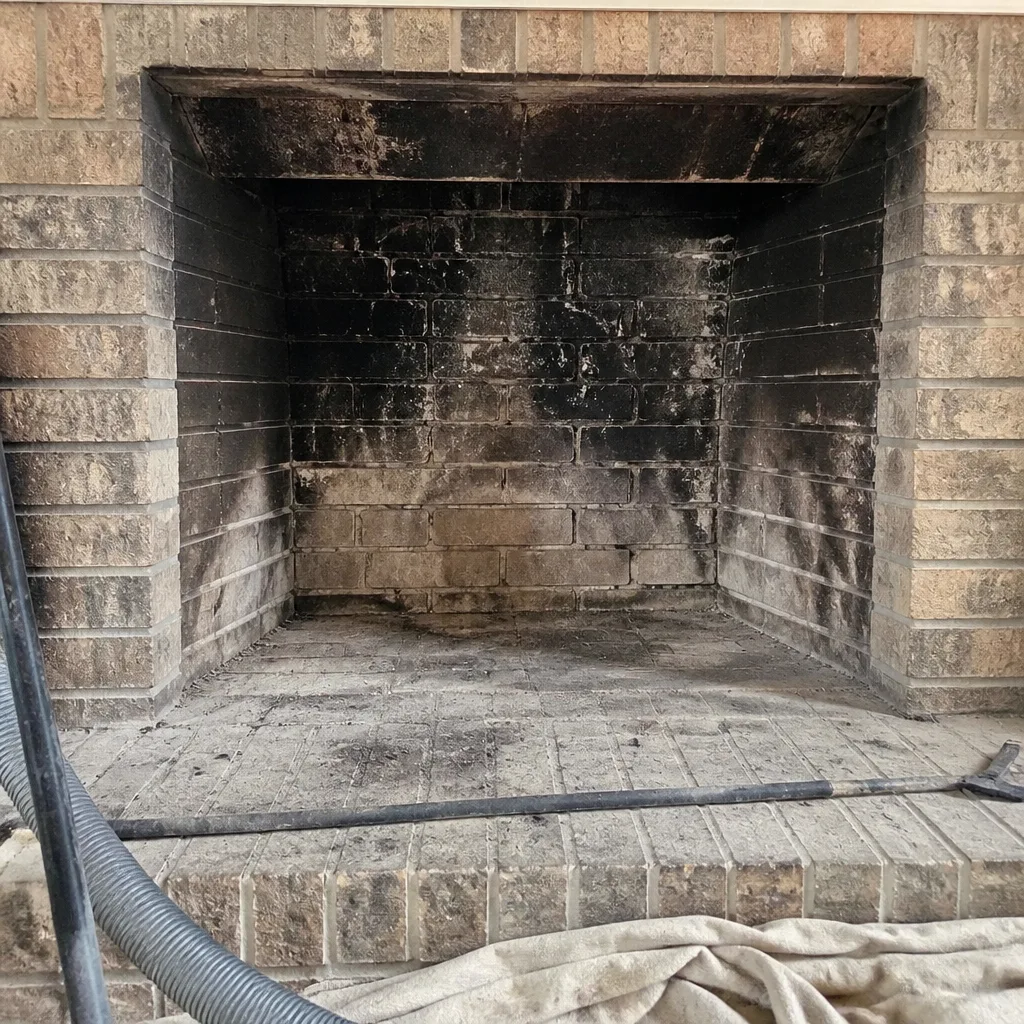 Before
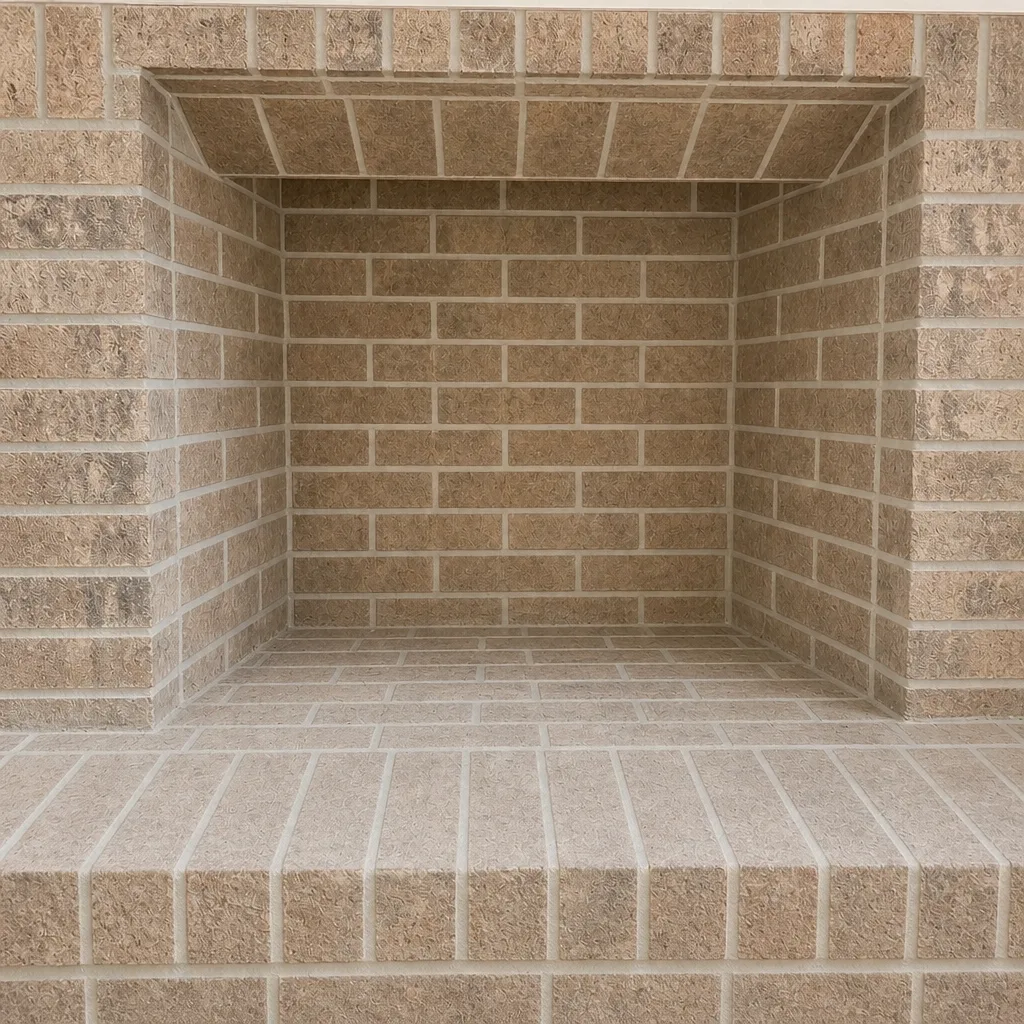 After
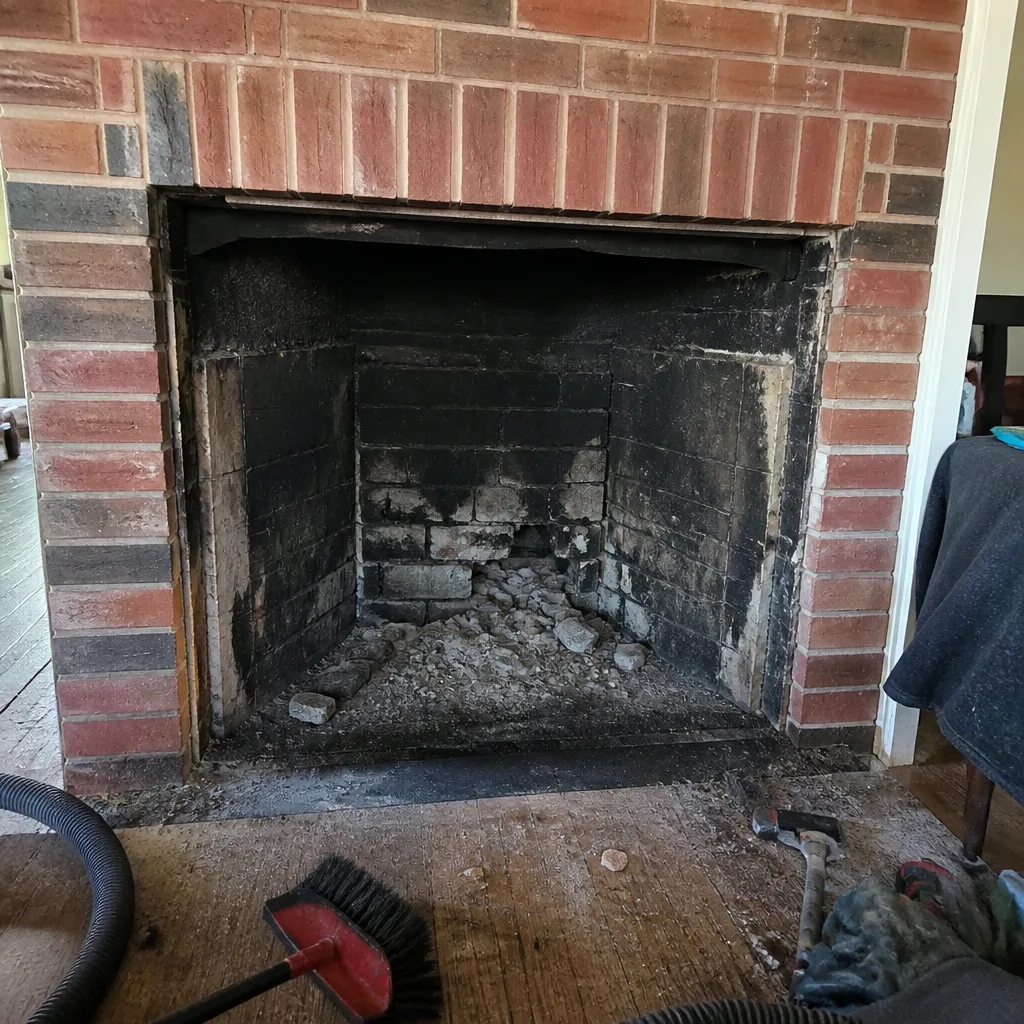 Before
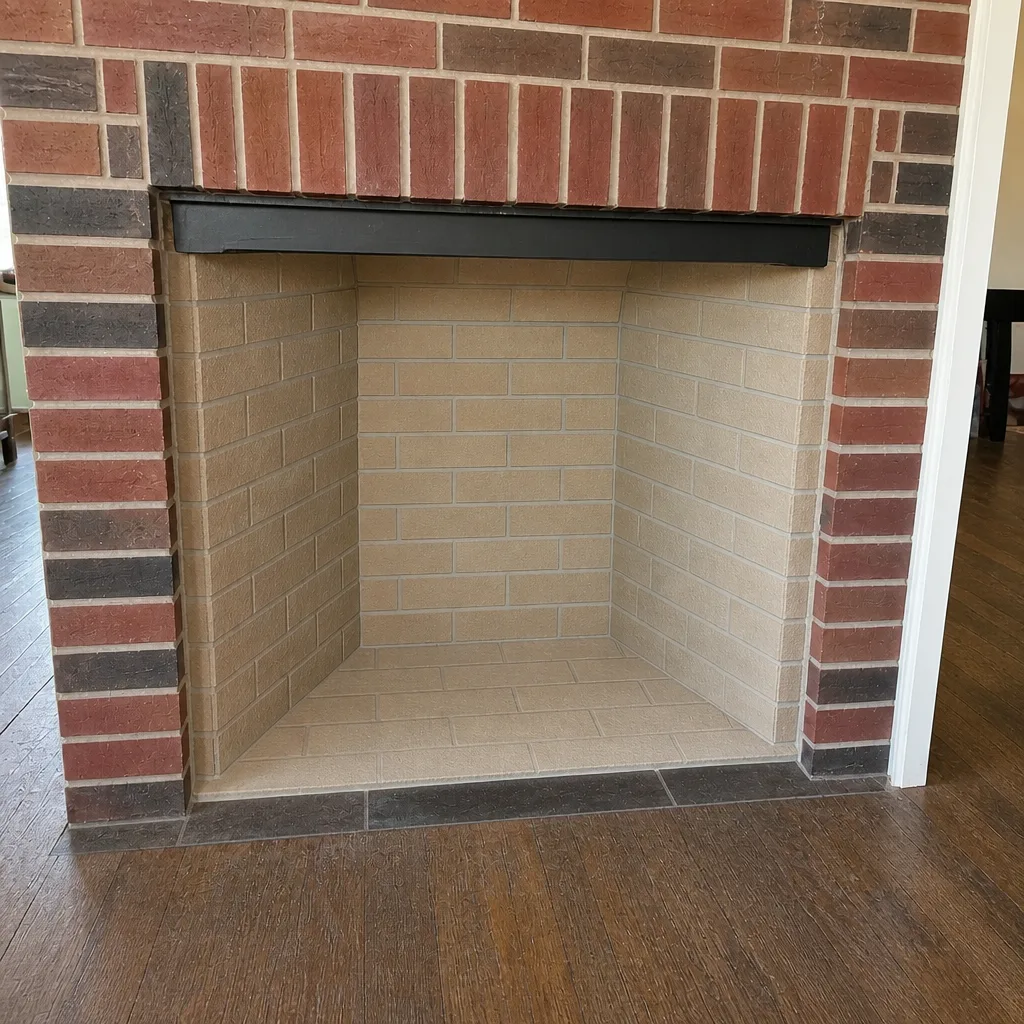 After
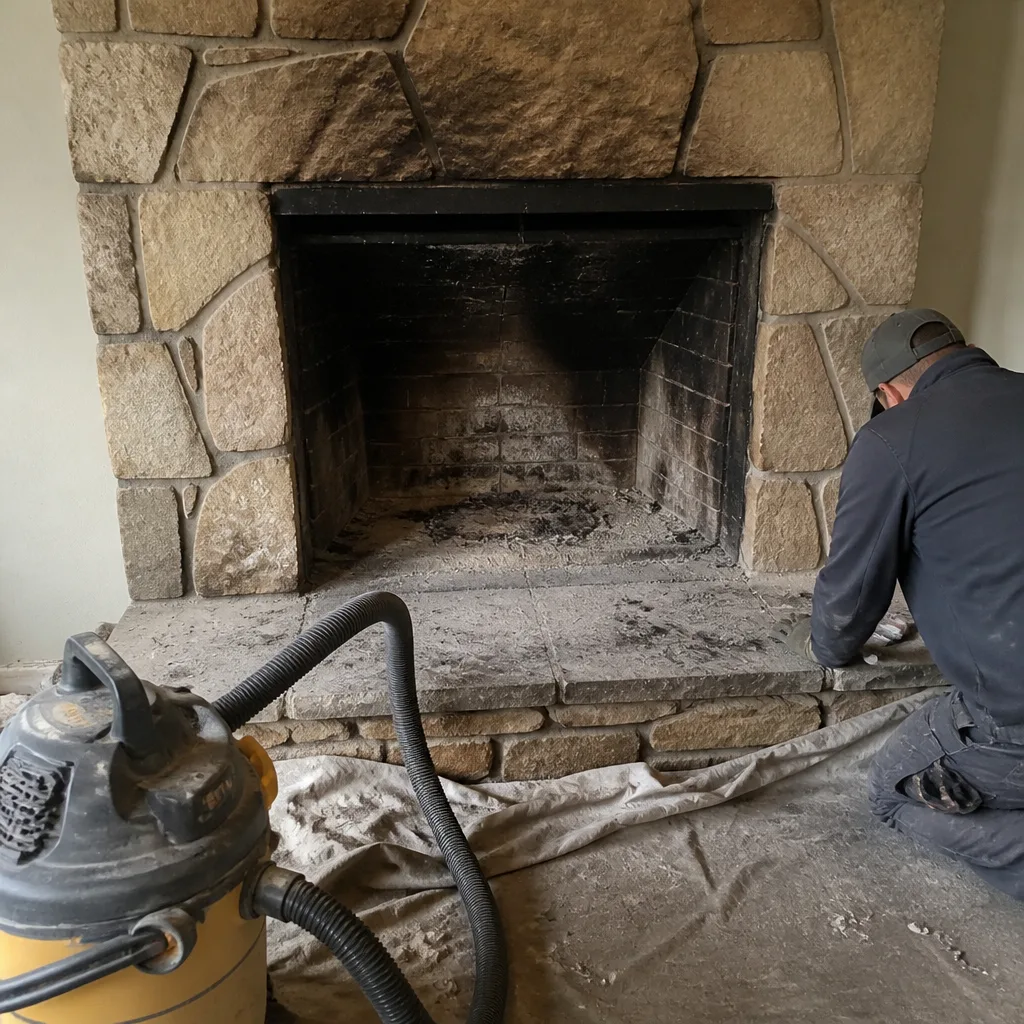 Before
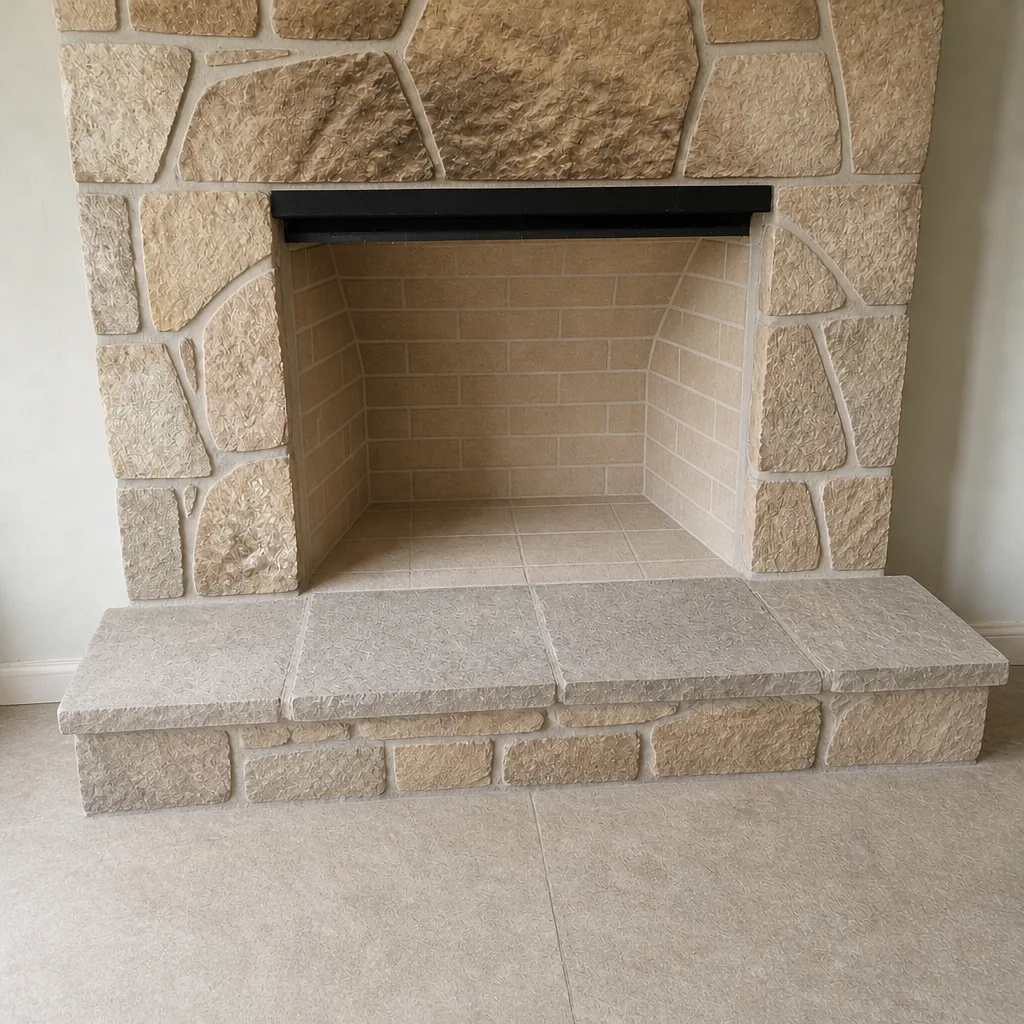 After
When to Call a Professional
Some jobs are watch-and-wait, and some should not be. Call a professional if you hear scratching or chirping in the flue, if the fireplace smokes back into the room, if your carbon monoxide alarm sounds, if you see cracks or crumbling in the mortar or crown, if your cap is damaged or missing, if you smell smoke indoors with the fire going, or if it’s simply been a full season since your last sweep and inspection. In Broken Arrow, with the spring nesting window, summer storm season, and winter ice, there’s rarely a bad reason to get a professional pair of eyes on the system. Flagship Chimney Sweep offers free estimates in Broken Arrow, call (866) 389-4464. We answer 24/7. Fast dispatch from 7am to 7pm, Sunday through Friday.
Frequently Asked Questions
Once a year for most wood-burning fireplaces, with an inspection at the same visit, and more often if you burn heavily or notice poor draft or smoke indoors. The seasonal rhythm of spring nesting, summer storms, and winter ice is a good reason to pair the annual sweep with a quick check after any big storm. Call (866) 389-4464 for an exact quote, estimates are free.
Late August into September is the sweet spot, before the October rush and before the burning season begins. That timing gets you ahead of the appointment crunch and leaves room to fix anything the inspection finds. Waiting until the season is at the door is the most common mistake. Call (866) 389-4464 to get on the schedule early.
Yes, and it’s one of the highest-value items on the list. A properly fitted cap keeps birds and squirrels out of the flue, which is the whole reason spring nesting material becomes a fire hazard in the first place. It also helps block rain and wind-driven debris. A cap that’s loose or crushed is worth replacing. Call (866) 389-4464 for an estimate on capping or replacing a cap.
Only if the flue is clear and drafting properly. A frozen cap or ice at the top can partially block the flue, which forces smoke and carbon monoxide back into your home. If the draft suddenly fails or you smell smoke indoors, stop using the fireplace and get it checked. Call (866) 389-4464 and we’ll book an inspection.
We repair it. Sweep, inspection, and repair are all handled under one company, so there’s no handoff to a second contractor and no second appointment with a stranger. When a repair is needed, we use recognized professional-grade products, and we’ll explain why the spec fits your chimney. Call (866) 389-4464 for a free estimate.
Nothing dramatic happens immediately, but one skipped season compounds onto the next. Nesting material from spring sits in the flue, summer humidity works on the mortar, and by winter you’re lighting fires with more buildup and less margin. The fix usually costs more than the sweep that would have caught it. Call (866) 389-4464 to get back on the seasonal rhythm.
The Bottom Line
Chimney care in Broken Arrow isn’t a single annual event; it’s a four-season cycle. Cap the flue before spring nesting, check mortar and crown after summer storms, sweep and inspect in late summer or early fall, and watch the draft and your alarms through winter ice. Each season has one task with a bigger payoff than the rest, and doing them on time keeps small problems from becoming expensive ones. The homeowners with the fewest chimney surprises are the ones who treat their chimney as a system that needs watching, not an appliance you fix when it finally complains. Book your pre-season appointment early, and let the evidence guide the repair.
Contact
Whether your fireplace has been idle since winter or you’re dealing with a problem right now, a free estimate is the simplest place to start. For chimney repair or a sweep and inspection in the Broken Arrow area, call Flagship Chimney Sweep at (866) 389-4464. We answer 24/7. Fast dispatch from 7am to 7pm, Sunday through Friday. We inspect it, we fix it, no runaround.
Written by the team at Flagship Chimney Sweep.