
Last updated November 15, 2026
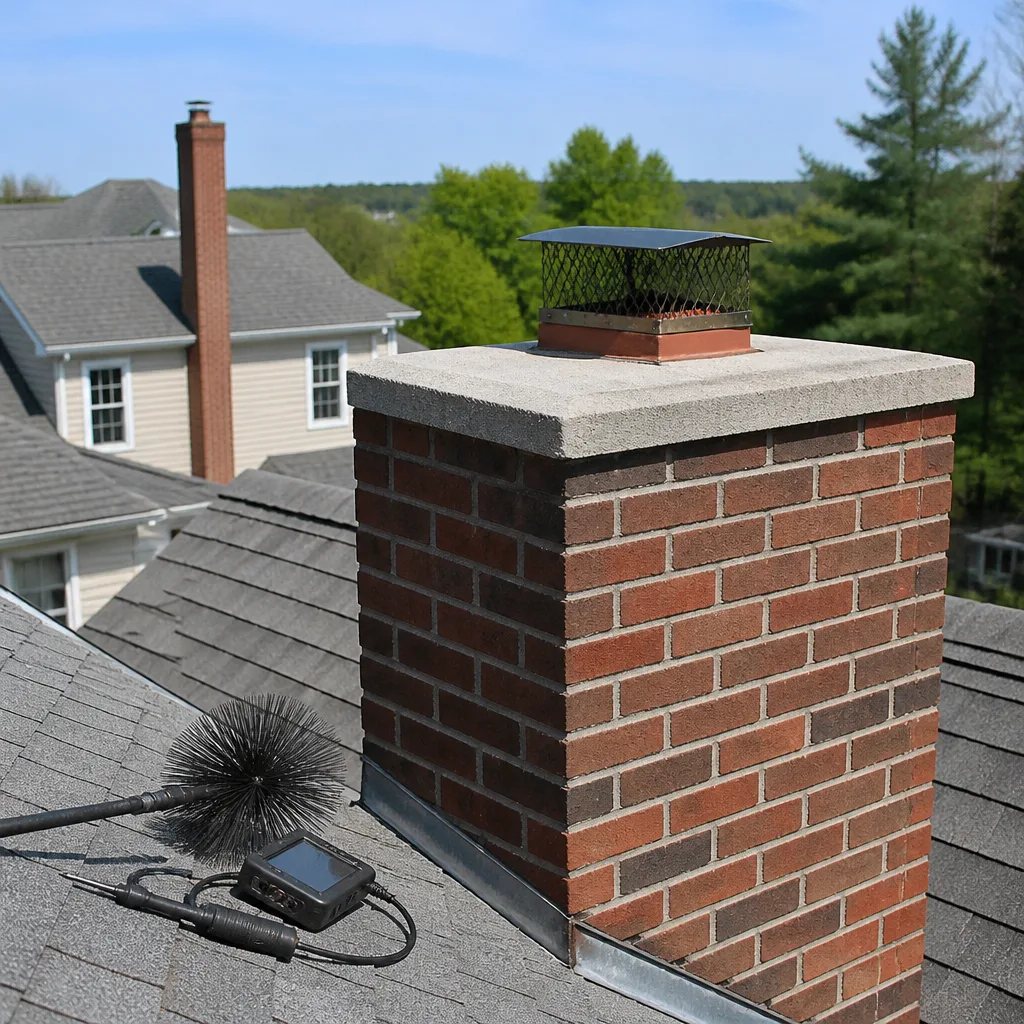 Sweep & inspection
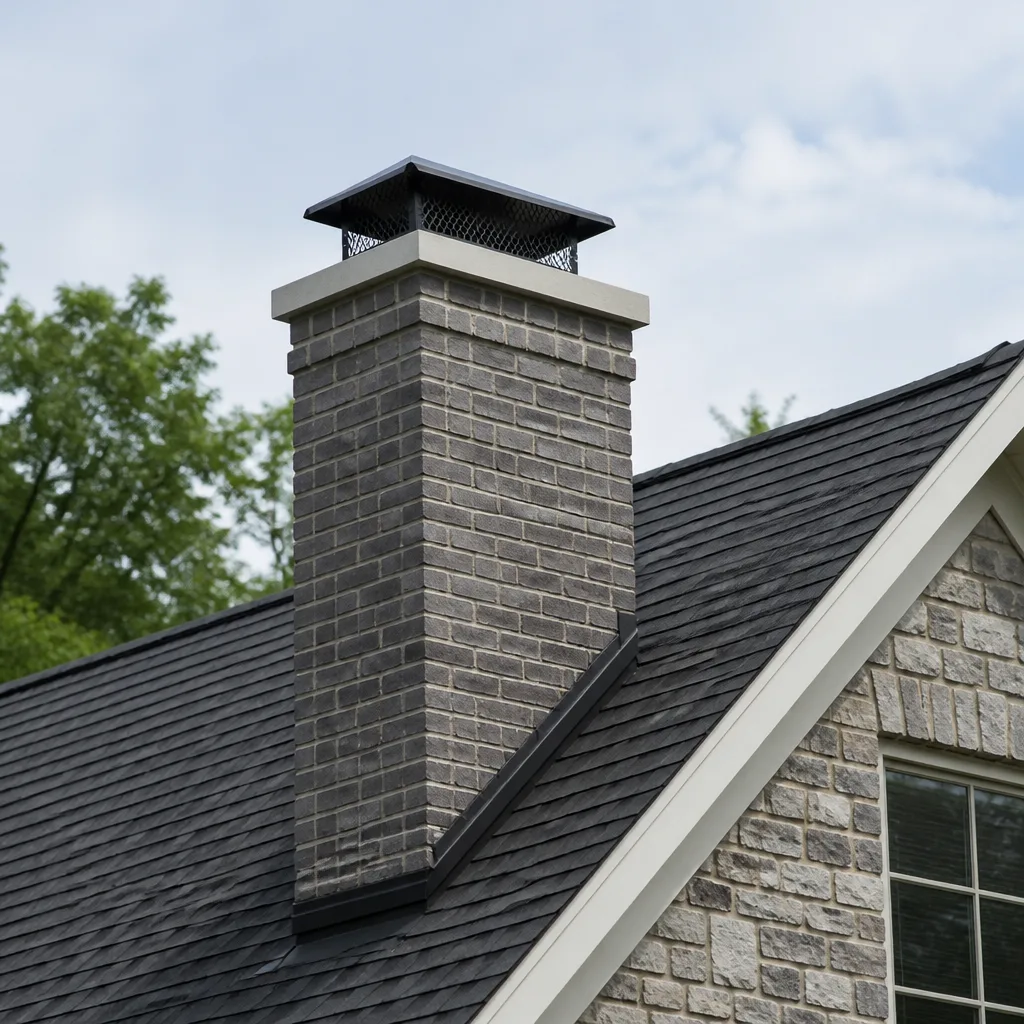 Caps & crowns
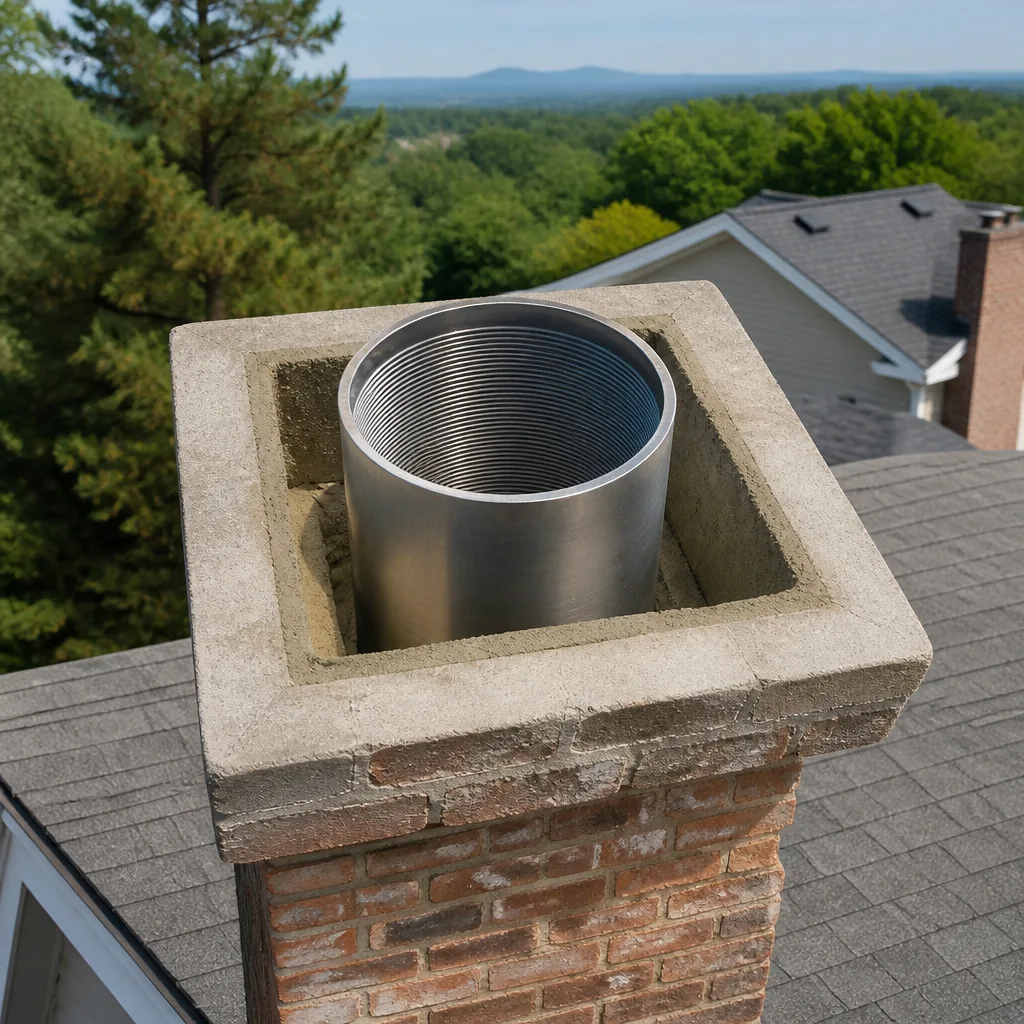 Flue relining
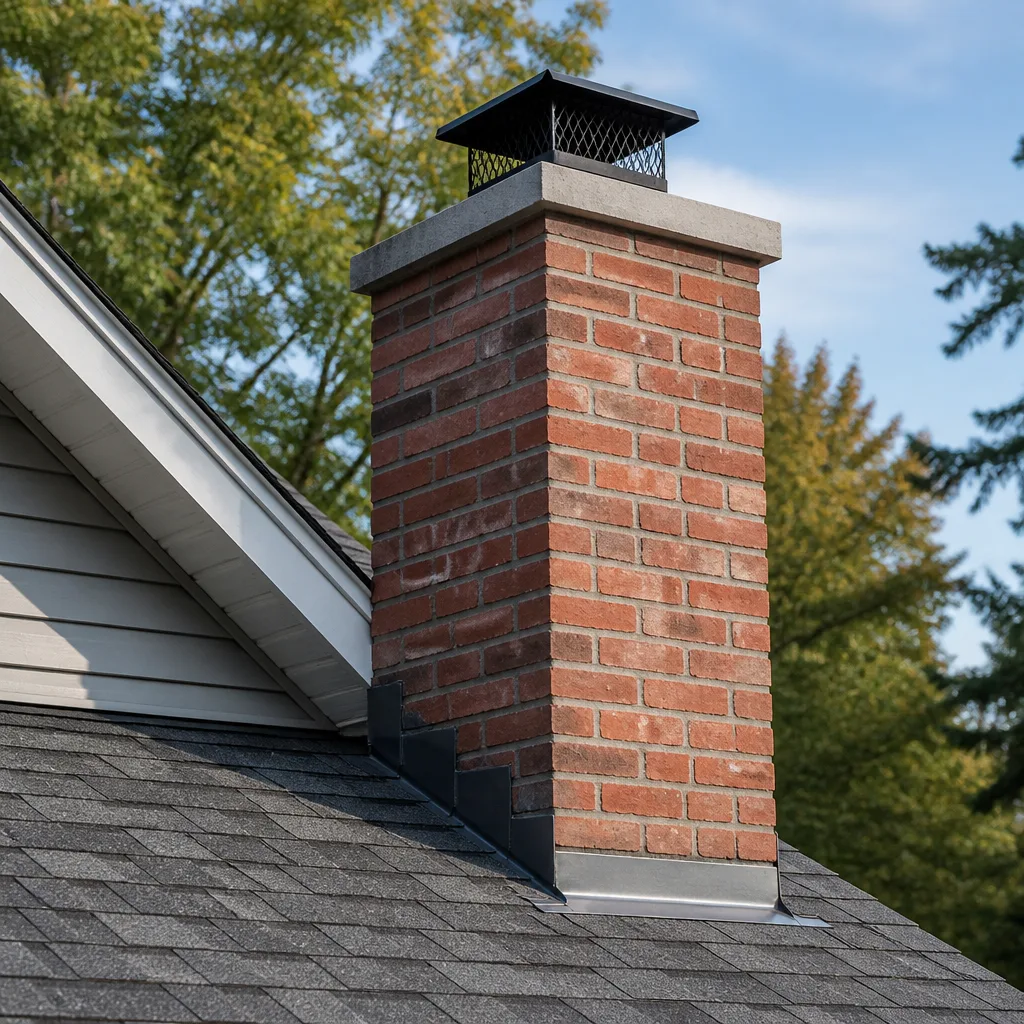 Masonry repair
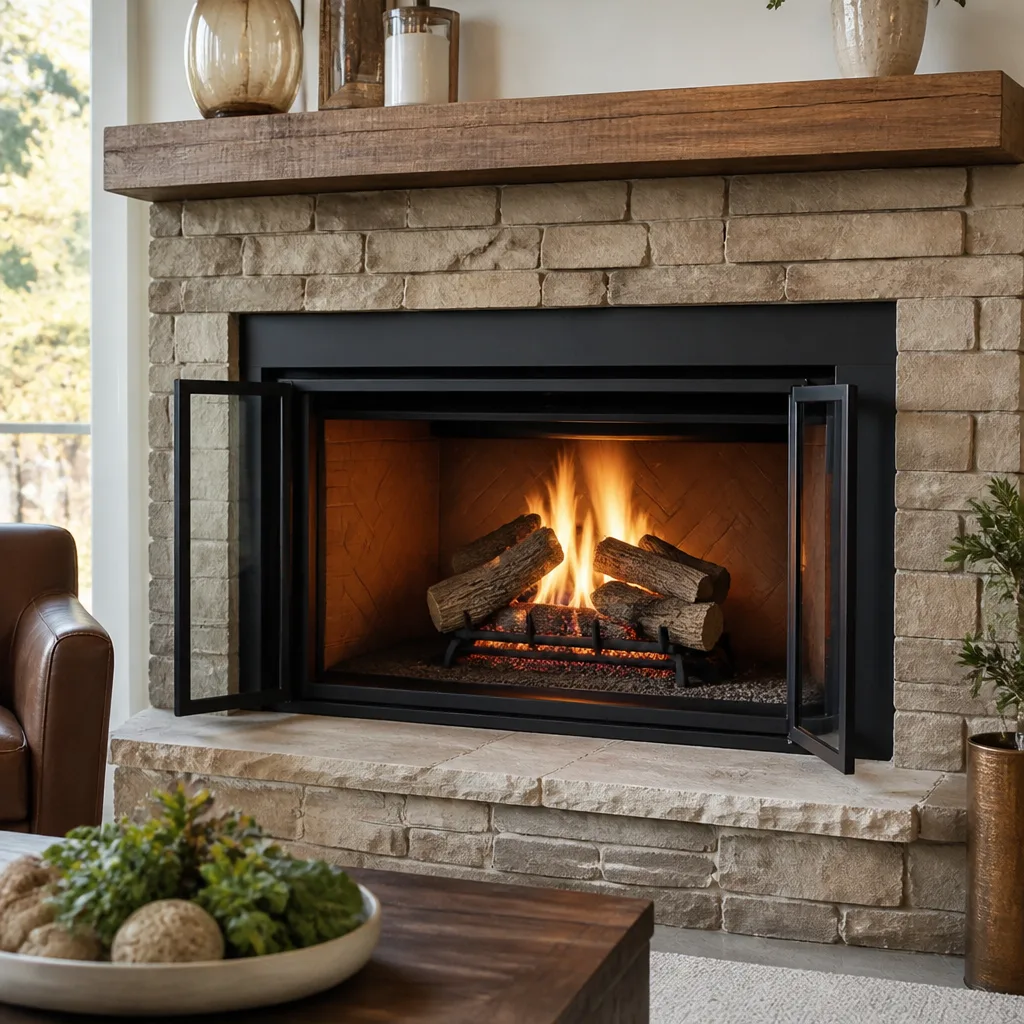 Gas fireplace service
Level 1 sweep and inspection to the NFPA 211 annual standard - flue, crown, cap, and flashing checked and photographed
Chimney sweep logs do not sweep chimneys. They loosen some creosote - which then falls where a brush and vacuum still have to collect it.
Chimney Cleaning Emergency Preparedness Guide for Broken Arrow Homes
A chimney fire sounds like a freight train running through your roof. Homeowners who’ve lived through one usually say the same thing afterward: they had no idea what to do in the first sixty seconds. That gap between the first sound of trouble and the first useful action is where houses are saved and where they’re lost. The counterintuitive part? The most important preparation happens weeks before anything goes wrong, not during the emergency itself. In this guide, we’ll walk through what a Broken Arrow homeowner actually needs to know: how chimney fires differ, the exact steps to take in the first five minutes, how carbon monoxide behaves in a home with a wood-burning appliance, and what to have ready when you call for help. Building that preparedness now costs an afternoon. Improvising during a chimney fire costs much more.
Quick Answer
If you smell smoke or hear a roar from the chimney, close the glass doors, call 911, and get everyone outside – do not open the damper wider and do not throw water into the firebox. In Broken Arrow and the surrounding region, a chimney fire response that starts in the first sixty seconds is the difference between a contained chimney fire and a structure fire. The long-term answer is prevention: an annual sweep and inspection before every heating season so there is nothing left in the flue that can ignite.
Styles & brands we work with
- Sweep & inspection
- Caps & crowns
- Flue relining
- Masonry repair
- Gas fireplace service
Table of Contents
- What to do in the first five minutes of a chimney fire
- Slow-burn vs. fast-burn chimney fires: how to tell them apart
- Carbon monoxide preparedness for chimney systems
- Winter emergency scenarios: ice, animals, and blocked flues
- How to safely go without the fireplace until a sweep responds
- What information to have ready when you call a sweep
- What your insurance company will ask for
- Prevention: building the routine that makes emergencies rare
What to Do in the First Five Minutes of a Chimney Fire
Chimney fires move fast, and the first five minutes decide how much damage gets done. Whether you’ve just heard the roar, smelled something acrid, or watched sparks or burning creosote flakes come out the top of the chimney, the response follows the same sequence. In our experience responding to chimney calls across Broken Arrow, the homes that come through a chimney fire with the least damage are the ones where someone had already rehearsed these steps.
Step-by-step: the first five minutes
- Get everyone outside first. People, pets, then phones. A phone call to 911 from the driveway takes less than thirty seconds and is the single most valuable action you can take.
- Call 911 and say “chimney fire.” That phrase triggers a different response than “smoke in the house,” and the dispatcher knows to roll the appropriate equipment.
- Close the glass doors on the fireplace insert or the fireplace screen if it’s a closed front. This starves a fast-burn fire of the room air it’s pulling.
- If you can safely reach a chimney flue extinguishant or a bucket of sand, use it. Never water, never a garden hose directed up the flue from below. Water hitting a 2,000-degree firebox can cause a steam explosion.
- Do not open the damper wider. The intuitive reaction is to “help the smoke go up,” but a wider damper feeds the fire more oxygen and makes it burn hotter and faster.
- Cut the fuel at the source. If you can safely close the stove or insert door or the fireplace damper, do it – but the doors are already the priority. Never reach into the firebox.
- Watch the top of the chimney from outside. Sparks, black smoke, or a glowing chimney crown mean the fire has reached the top and is compromising the flashing, roof, or nearby vegetation.
What NOT to do
The missteps we hear about most often are surprisingly common. Do not throw a bucket of water down the chimney – the thermal shock will crack flue tiles and can cause serious burns if the fire has been running long. Do not open the damper wider. Do not climb onto the roof to inspect the top yourself in the middle of a fire. Do not re-enter the house for personal belongings while the fire is active, and do not put the fire out and assume the problem is over – even a small chimney fire can compromise the flue liner, crack tiles, and leave a hidden void that sends hot gases into the wall framing on the next use. That is why a post-fire inspection matters, even after a fire you think you contained.
We inspect it, we fix it – no runaround. When a Broken Arrow homeowner calls us after a chimney fire, the first thing we do is a camera inspection of the entire flue, not just the firebox. That inspection tells us what the fire actually did to the system, and no repair is recommended without the evidence of that camera inspection in front of you.
Slow-Burn vs. Fast-Burn Chimney Fires: How to Tell Them Apart
Not every chimney fire announces itself with a roar. Slow-burn chimney fires run at a lower temperature, consume smaller amounts of creosote at a time, and can go on for hours or even days – sometimes no louder than a quiet hum. Fast-burn events are the roaring, freight-train version. The two require different immediate responses and leave the chimney in very different condition.
Fast-burn chimney fire: what it looks like and sounds like
- A deep, rumbling roar that’s often compared to a train, a jet, or a small explosion
- Thick black or gray smoke from the top of the chimney, sometimes with visible flame at the crown
- Burning creosote flakes or sparks coming out the top
- Dense smoke pushing back into the room, sometimes through leaky flue joints
- A hot chimney cap, hot chimney pipe, or a crackling, popping sound from the flue
Fast-burn fires need 911 immediately. Get outside and stay outside.
Slow-burn chimney fire: what it looks like and sounds like
- A faint rumbling or “hum” that’s noticeable but not loud
- A thin, wispy, or intermittent smoke signature
- Sudden spikes in flue temperature – sometimes visible if you have a thermometer on the pipe
- A puff of smoke appearing in the firebox when you open the glass door, then stopping
- Soot “puffing” back into the room when you open the firebox door
Slow-burn fires are still dangerous because they can degrade the flue over the course of a season or overnight, and they’re sometimes the precursor to a fast-burn event. If you suspect a slow-burn fire, treat it like a fast-burn fire: close the doors, call 911, get out, and get a professional out to inspect before you use the fireplace again.
The one indicator both types share
In both cases, the smell is unmistakeable – a harsh, acrid, smoky smell that’s stronger than your normal wood smoke. If that smell appears with any of the sounds above, treat it as a chimney fire until proven otherwise. The cost of a false alarm is an inspection. The cost of being wrong is much higher.
Carbon Monoxide Preparedness for Chimney Systems
Carbon monoxide is the silent partner to any chimney emergency. It has no color, no smell, and no taste, and a draft failure that lets it into a Broken Arrow home can happen without any visible sign at all. Chimneys are designed to draft – to pull hot gases up and out. When that draft fails, the CO those gases contain backs up into the room.
What a draft failure looks like before it becomes a CO event
- Smoke rolling out of the fireplace when you first light a fire, then settling
- A “smoky” smell in the room that lingers even when the fire is burning well
- Flames that don’t pull strongly up the flue and prefer the firebox top instead
- A fire that’s hard to light or keeps going out
- Soot streaks appearing on the fireplace surround, chimney breast, or the first flue joint above the firebox
- A cold, damp smell from the fireplace even when there’s no fire, especially in the morning
Any of those signs is a good reason to stop using the fireplace and call for a sweep and inspection before the next fire.
Where detectors belong in a home with a working fireplace
- One CO detector on each level of the home
- A CO detector in the hallway or common area nearest to the fireplace, outside the sleeping rooms
- A CO detector inside each sleeping room, or immediately outside the door of each sleeping room
- A CO detector near the furnace or boiler if the heating equipment shares the chimney
Test every detector at the start of the heating season and again mid-season. If any detector chirps, replace the batteries immediately. If any detector alarms, leave the house and call 911, then call a chimney professional to inspect before the fireplace is used again.
We can’t emphasize this enough: a CO alarm is not a nuisance. It’s the only warning a carbon monoxide event gives you.
Winter Emergency Scenarios: Ice, Animals, and Blocked Flues
Northeastern Oklahoma winters bring temperature swings that play havoc on chimneys. A flue that drafts perfectly in October can be blocked by early December. The two most common winter emergency scenarios we see in Broken Arrow are ice formation at the chimney top and animal intrusion into an unprotected flue.
Ice and freezing at the chimney crown
Freeze-thaw cycles at the top of a chimney form ice dams on the crown and inside the flue if the chimney isn’t capped. When the temperature drops below freezing overnight and rises above freezing the next day, ice can build up at the crown, chip away at the masonry, and block the flue opening altogether. Signs include:
- Smoke coming out of the firebox when the fire is lit normally
- Downdrafts pushing smoke back into the room
- Visible ice around the chimney cap or the crown from outside
- A cold draft from the fireplace that’s stronger than normal
Do not try to break the ice out yourself from the roof, and don’t use a torch or heat gun at the top of the flue. Call a professional after the ice event resolves – or sooner if you notice signs of a blocked flue.
Animal intrusion in the flue
Birds, squirrels, raccoons, and bats all look for warm, dry places to nest, and an uncapped chimney is a perfect home. A nest in the flue blocks the draft, and a live animal in the flue is a serious hazard because it panics, gets stuck, or ends up in the firebox when the fire is lit. Signs include:
- Scratching, chirping, or fluttering sounds from the chimney
- A strong ammonia or animal-smell in the room
- Smoke backing up into the room during a fire
- Feathers, fur, or nesting material in the firebox or at the base of the chimney
The fix is a professional sweep and, going forward, an animal-proof chimney cap in Copperfield or a comparable brand installed at the top of the flue.
What blocks a flue after a storm
Wind-blown leaves, twigs, and ice can also block a flue during a storm. After any significant storm in the Broken Arrow area, check the chimney from the yard (never the roof) for visible damage, debris, or a leaning cap, and have it inspected before the next fire.
How to Safely Go Without the Fireplace Until a Sweep Responds
If your chimney has a confirmed issue – a fire, a blockage, a draft failure, or a suspected crack in the flue – the right move is to stop using the fireplace until a professional clears it. That’s easier said than done in January. Here’s how to stay warm safely while you wait.
- Run the central heating system normally, but verify it doesn’t share the chimney flue with the fireplace. If they’re on separate flues (which is standard in most modern Broken Arrow homes), the central system keeps working while the fireplace is offline.
- Close the fireplace damper fully to reduce heat loss through the chimney and prevent backdrafts into the room.
- Seal the fireplace opening with a temporary cover – a sheet of rigid foam board or a heavy blanket taped across the front of the firebox will reduce the cold draft. Do not tape over the flue opening inside the firebox, only across the fireplace front.
- Use a space heater only in well-ventilated rooms, on a hard, non-flammable surface, and never while you sleep. Follow the manufacturer’s instructions exactly.
- Keep CO detectors active even with the fireplace offline – an unrelated carbon monoxide source is still a risk.
- Do not light a “test fire” to see if the problem has fixed itself. A test fire in a blocked or compromised flue is how small problems become big ones.
We schedule chimney inspections and sweeps throughout the week. Fast dispatch from 7am to 7pm, Sunday through Friday. Call (866) 389-4464 to schedule – we answer 24/7.
What Information to Have Ready When You Call a Sweep After an Emergency
When you’re calling after an emergency, the quality of the information you give determines how quickly a sweep can diagnose the problem and how accurately your insurance claim can be prepared. Have these ready before you call.
The list to have ready
- What you saw and heard. Was it a roar, a hum, a smoke smell, sparks at the top, a pop inside the firebox, animals? Note the time it started and the time it stopped.
- When the chimney was last swept and inspected. If you don’t know, say so. If you have the paperwork from a previous sweep, have it in hand.
- What type of appliance the chimney serves. Fireplace, wood stove, insert, gas log set, furnace, or boiler. Include the make and model if you can find the plate.
- Whether the chimney is masonry or factory-built. Masonry chimneys have brick and mortar visible from the yard; factory-built chimneys show a metal cap and typically a round or square metal housing.
- Any visible damage. Cracks in the chimney crown or exterior, soot streaks on the surround, pieces of creosote on the roof or ground, damage to the cap, and any water intrusion inside.
- Whether the smoke alarms and CO detectors went off. This is important for both the diagnosis and the insurance paperwork.
- Photos and video from your phone. From the yard, from the firebox, and from inside the room where the smell or smoke was detected.
A camera inspection is the tool that turns all of that into a real diagnosis. When a technician arrives, they’ll run a camera down the flue, show you the footage on a screen, and only then recommend a repair. Nothing is recommended without camera evidence you can see for yourself.
What Your Insurance Company Will Ask For
If a chimney fire caused damage and you’re filing a claim, be prepared for the insurance company to ask for specific documentation. In our experience working with Broken Arrow homeowners, the claims that move through fastest are the ones where the homeowner had the following ready from the start.
- A written inspection report from the sweep who responded to the emergency, describing the visible and camera-verified condition of the flue before any repairs
- Photographs of the damage from multiple angles – firebox, flue, exterior chimney, roof, and interior room
- The fire department’s incident report number if 911 responded
- The date of the last chimney sweep and inspection and the name of the sweep who performed it – this proves the chimney was maintained
- Receipts for any prior chimney work – liners, caps, crowns, or repairs – since the insurer will want to verify what was already in place
- A written repair estimate from the company performing the repair, itemized by product and labor
- The warranty documentation for any installed product – including the liner brand, cap brand, and any resurfacing product used in the repair
We work with your insurer and provide the documentation they need in a format they can use. All of our repair and installation work references named industry-standard brands – DuraFlex liners, HeatShield resurfacing, Copperfield and Gelco caps – which is what the insurer needs for verification. Professional-grade products have warranties that can be traced. Generic substitutes don’t.
Prevention: Building the Routine That Makes Emergencies Rare
The single best emergency-preparedness step for a Broken Arrow home is an annual chimney sweep and inspection before every heating season. A sweep removes the creosote and soot that fuel chimney fires. An inspection finds the weak spots – cracked flue tiles, a failing cap, a cracked crown, an unsealed storm collar – before they turn into a real emergency. Chimney fires are almost always preventable, and the annual routine is what prevents them.
The annual routine that works
- Schedule a chimney sweep and inspection before the first fire of the season. Late summer or early fall, before the heating season gets busy.
- Add a mid-season inspection if you burn wood heavily. If the fireplace runs more than a few fires a week during the heating months, a mid-season sweep is worth considering.
- Burn seasoned hardwood, not green wood or trash. Wet or green wood produces more creosote, which is the fuel source for chimney fires.
- Keep the chimney capped with a proper cap, and keep the cap clear of ice and debris through the winter.
- Test smoke and CO detectors at the start of the season and mid-season. Replace batteries immediately if any detector chirps.
- Watch for signs of a slow-burn fire – smoke pushing into the room, a puff from the firebox, or a warm flue pipe – and call for an inspection if any appear.
- Keep a chimney fire response kit within safe reach of the fireplace: a bucket of sand, a chimney flue extinguishant, a fire extinguisher rated for wood fires, and a charged phone.
Our technicians have up to 8 years of experience diagnosing and repairing chimneys, and we offer all three core chimney services – chimney sweep, inspection, and chimney repair – as an integrated offering. That matters during an emergency because you’re not handing off from one company to another between diagnosis and fix. One company from sweep to repair. When you need us, we’re also here for Broken Arrow homeowners across the city and the surrounding area.
Common Mistakes to Avoid
We’ve seen the same handful of mistakes turn a small chimney problem into a real emergency. Here are the ones to watch for.
- Opening the damper wider during a chimney fire. The instinct is to “let the smoke out,” but a wider damper feeds the fire more oxygen and makes it burn hotter and faster. Close the glass doors instead, and call 911.
- Throwing water down the flue. Water hitting a 2,000-degree firebox can cause a steam explosion and thermal shock that cracks flue tiles. Sand or an approved flue extinguishant is the correct response.
- Using the fireplace again after a fire without an inspection. A chimney fire that “seemed small” can leave hidden cracks and voids. The next fire pushes hot gases into the wall framing through those cracks – which is why we never sign off on a post-fire chimney without a camera inspection first.
- Skipping the annual sweep because the chimney “looks clean.” The dangerous creosote is the glaze on the inside of the flue, which isn’t visible from the firebox. Only a sweep and camera inspection see it.
- Not capping the chimney. Broken Arrow’s wildlife population and our freeze-thaw winters both find a way into an uncapped flue. A proper cap in Copperfield or Gelco stops both before they start.
- Treating a CO alarm like a nuisance. A chirping CO detector is an early warning. A chirping detector should be tested the same day, and a detector alarm means leave the house and call 911.
- Not having the paperwork when you need it. After an emergency, having your last sweep report, photos, and product receipts on hand shortens both the repair timeline and the insurance claim. Keep a folder – digital or paper – with this year’s chimney records.
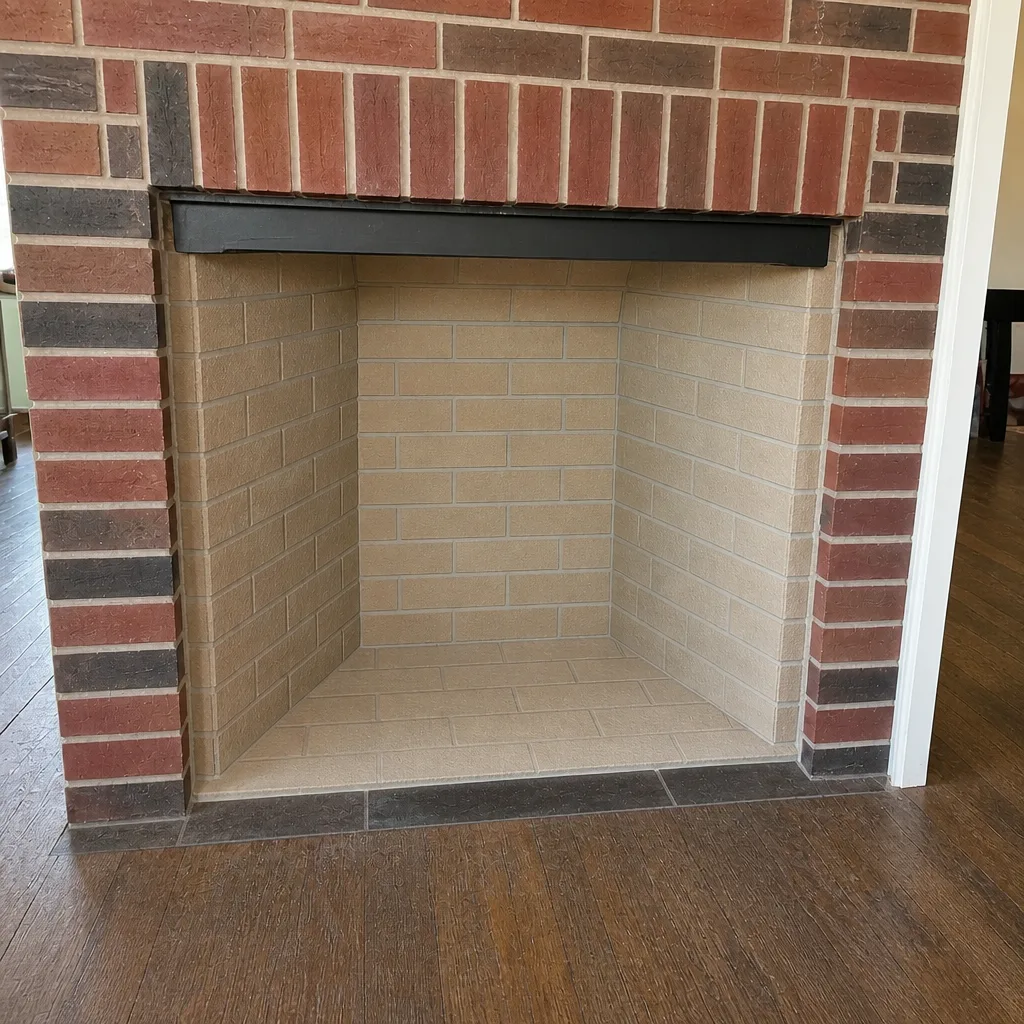
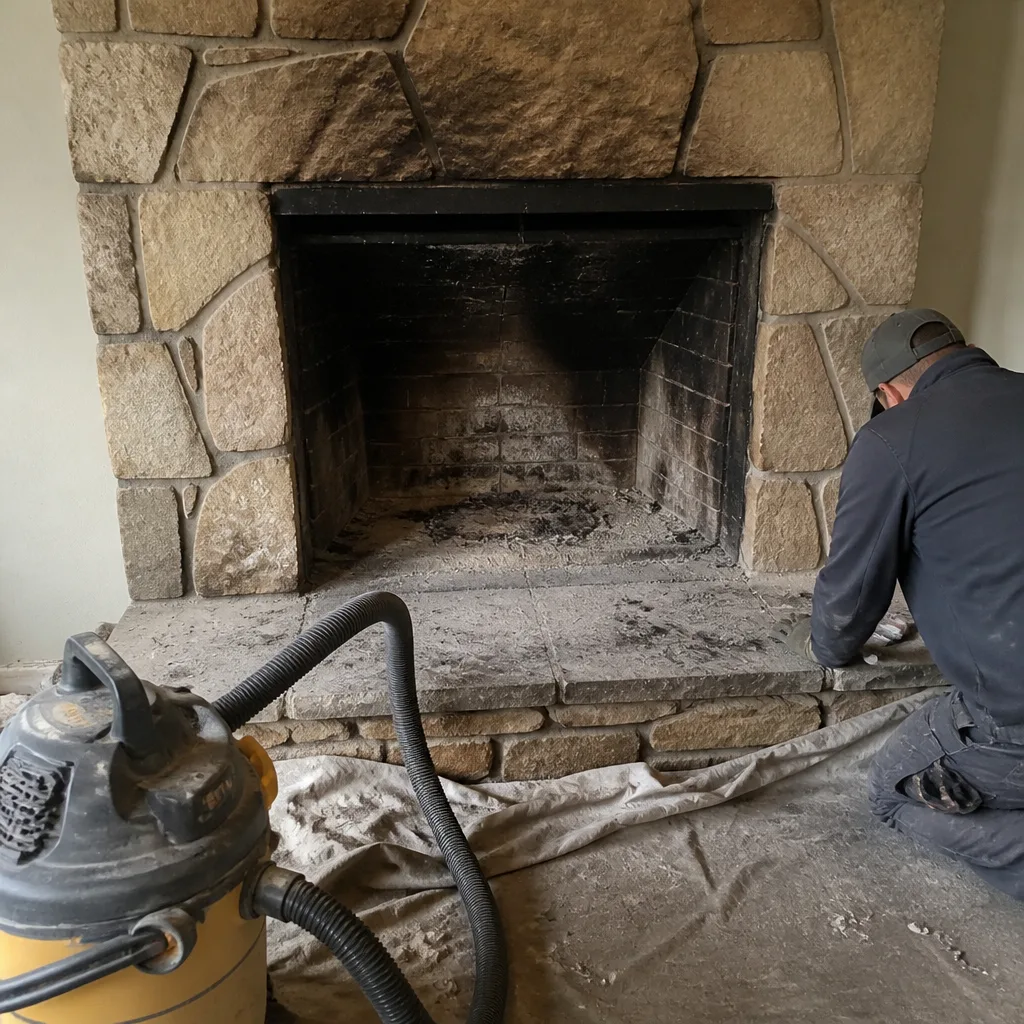
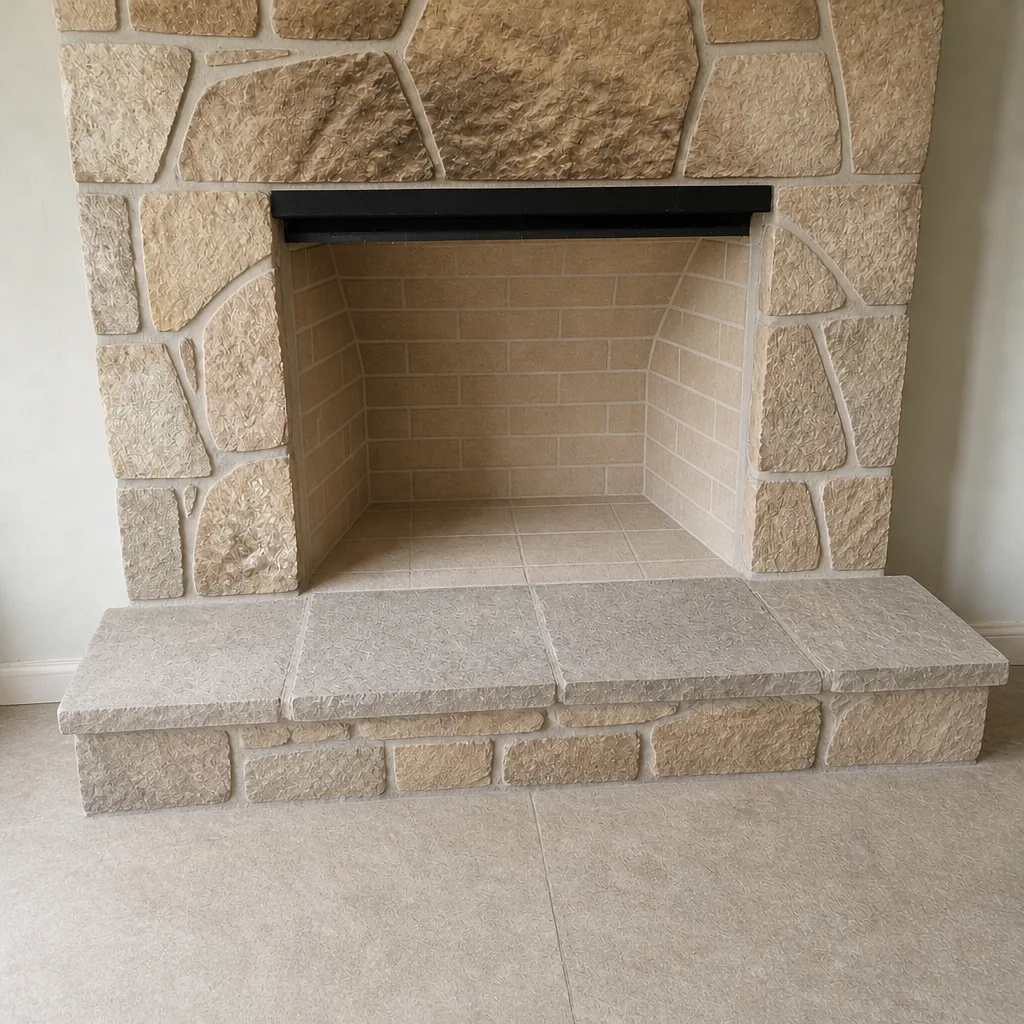
See the difference
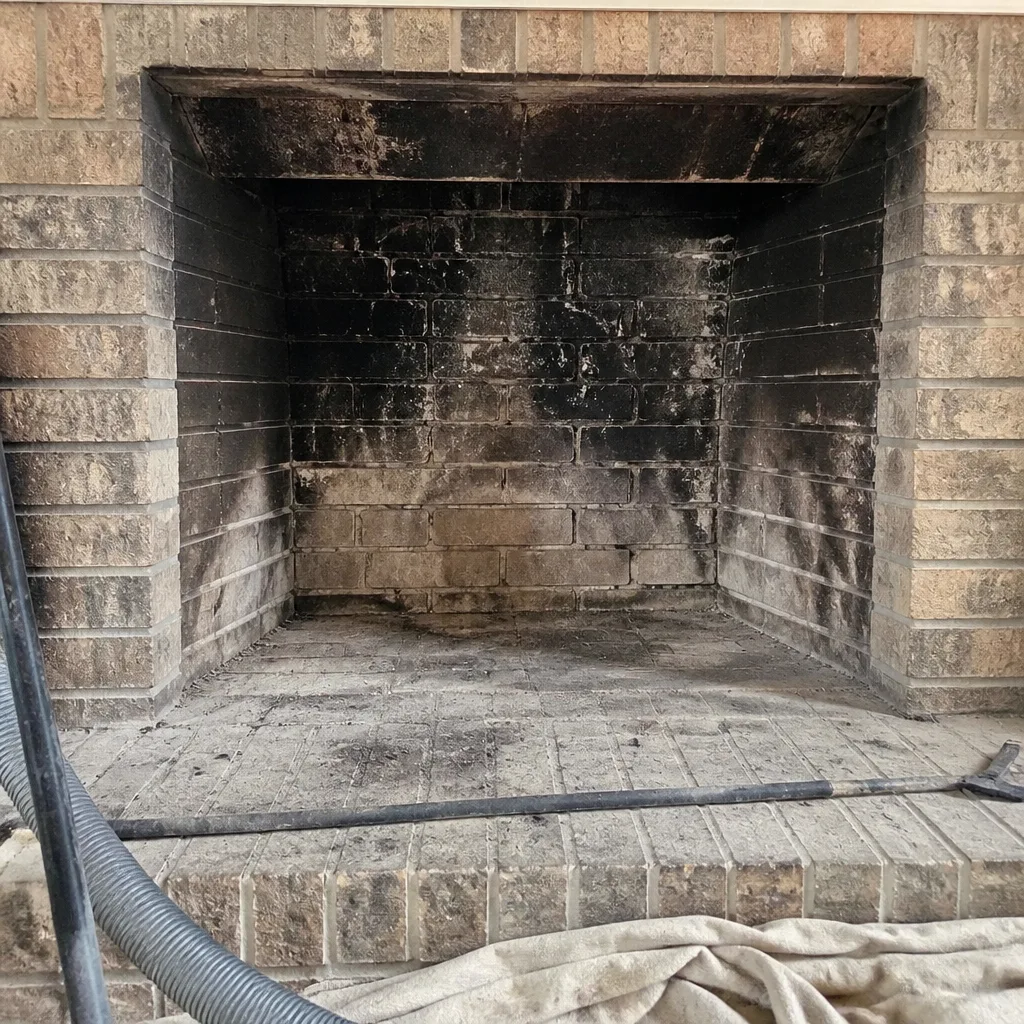 Before
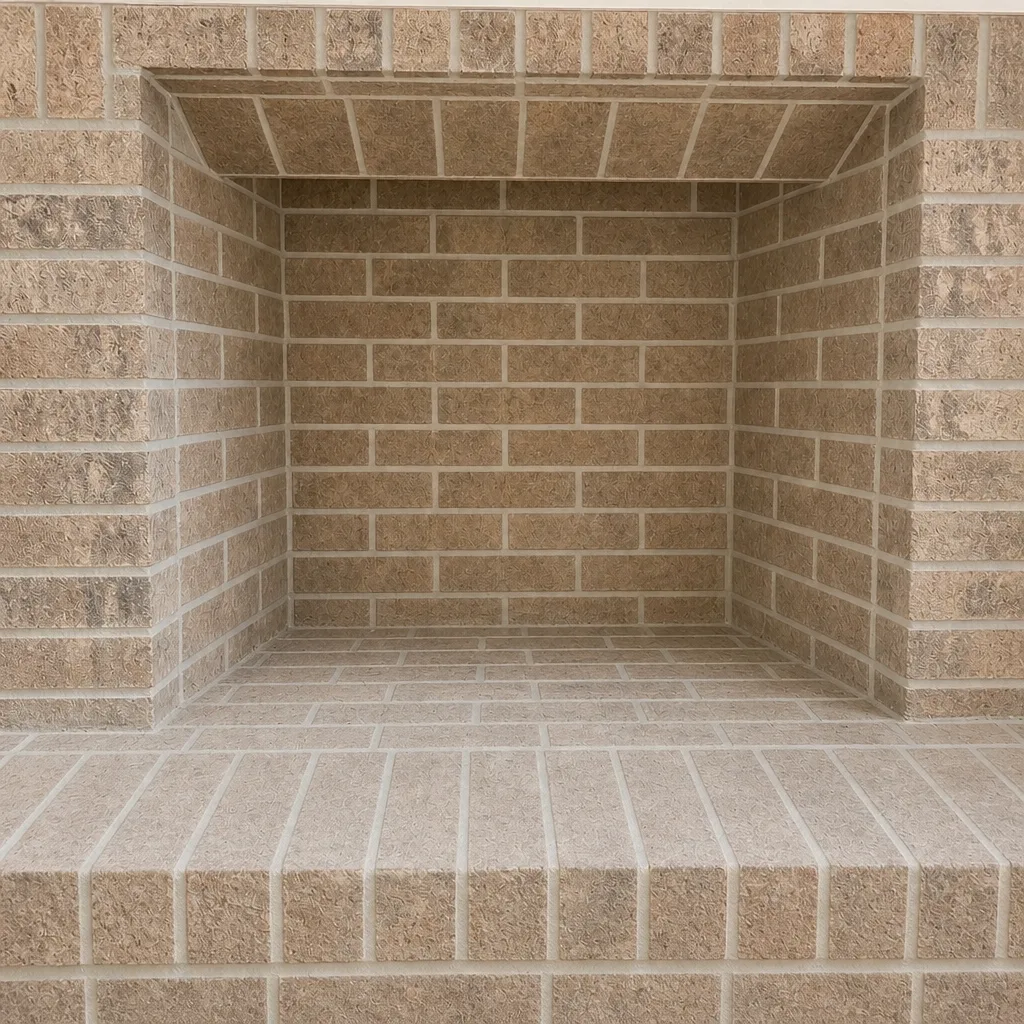 After
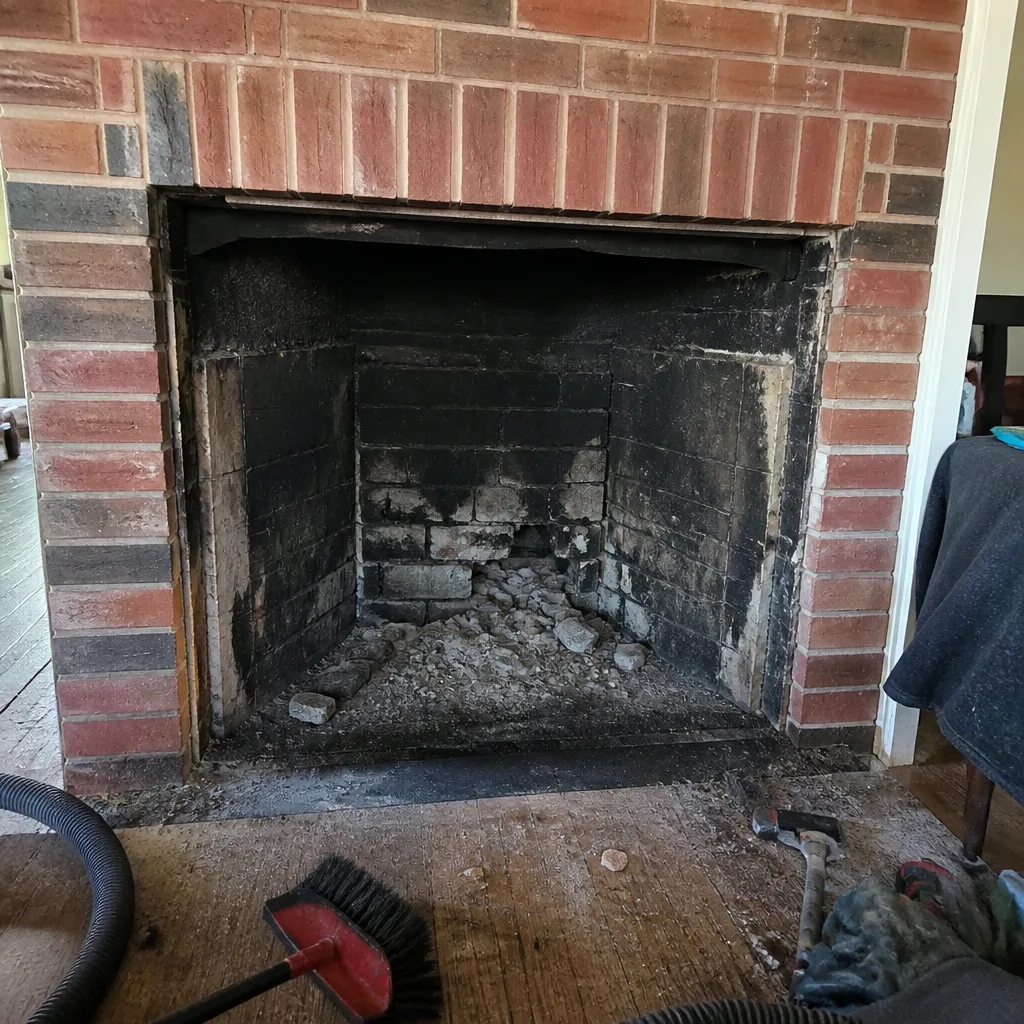 Before
 After
 Before
 After
When to Call a Professional
Some chimney issues are genuinely emergencies. Others can safely wait for a scheduled visit. These are the signs that mean call now, not later. If you smell a harsh, acrid smoke with no fire going, if your CO detector alarms, if you see sparks or flame at the top of the chimney, if you hear a roar from the roof, or if the firebox is puffing smoke back into the room – stop using the fireplace and call. If you see soot streaks on the chimney breast, hear animals in the flue, or notice your fire doesn’t draft well, schedule a sweep and inspection as soon as possible but you can safely keep the fireplace offline until then. If the chimney has never been swept or it’s been more than a season, schedule an inspection before the next fire.
Flagship Chimney Sweep provides sweep, inspection, and repair across Flagship Chimney Sweep‘s full service offering, and we offer free estimates in Broken Arrow – call (866) 389-4464. We answer 24/7, and fast dispatch runs from 7am to 7pm, Sunday through Friday. We’re closed on Saturday.
Frequently Asked Questions
Most chimney sweeps in Broken Arrow fall in a typical range set by the written estimate after we see the chimney, since a standard sweep and a camera inspection on a masonry flue cost different amounts. We quote per job by written estimate, and the estimate is free. Call (866) 389-4464 for an exact quote.
Sometimes yes, sometimes no. It depends entirely on the condition of the existing flue liner after the fire, and that’s determined by a camera inspection, not a visual guess. If the liner shows cracks, gaps, or creosote glaze that survived the fire, we’ll recommend a DuraFlex liner. If it’s intact, we won’t. Nothing is recommended without camera evidence you can see for yourself. Call (866) 389-4464 for an inspection.
An annual sweep and inspection before every heating season is the standard for any home with a wood-burning fireplace or insert. Homes that burn wood heavily may benefit from a mid-season sweep. The annual routine is what prevents chimney fires from starting in the first place. Call (866) 389-4464 to schedule this year’s sweep.
Creosote – the highly flammable residue left in the flue from burning wood – builds up season after season and becomes the fuel source for a chimney fire. A single season’s build-up can be enough to ignite. Skipping the sweep means skipping the one routine that keeps that fuel from accumulating. Call (866) 389-4464 to get the routine back on track.
Leave the house immediately with everyone in it, then call 911 from outside. Don’t try to locate the source inside, and don’t open windows for ventilation before you call 911. Once the fire department has cleared the home and the source is confirmed to be chimney-related, call a chimney professional for a camera inspection before the fireplace is used again. Call (866) 389-4464 after the fire department clears the home.
No. A blocked flue prevents smoke and carbon monoxide from escaping and pushes them back into the house. Keep the fireplace offline, close the damper, cover the fireplace opening with a temporary barrier to reduce drafts, and call a sweep for a professional inspection. Never climb the roof to clear a blockage yourself. Call (866) 389-4464 for a professional assessment.
The Bottom Line
The most important chimney emergency is the one that never happens, and in Broken Arrow, the preparation that keeps it from happening is straightforward. Know the first-five-minute response by heart: close the doors, call 911, get outside, and never open the damper wider or throw water into the flue. Know the difference between a slow-burn and a fast-burn chimney fire – they look and sound different and both merit the same immediate response. Have working CO detectors on every level and near every sleeping room. Cap the chimney before winter. Test your detectors twice a season. And build the annual sweep-and-inspection routine that keeps the flue clear before the first real cold snap. Our technicians have up to 8 years of experience, we offer all three core chimney services as one company, and we use professional-grade products – DuraFlex liners, HeatShield resurfacing, Copperfield and Gelco caps, Olympia Chimney and Famco components – on every repair.
If you’ve had a chimney fire, a CO event, or a winter blockage – or if you just want the annual sweep on the calendar before the next fire – call Flagship Chimney Sweep at (866) 389-4464. The estimate is free. We answer 24/7, with fast dispatch from 7am to 7pm, Sunday through Friday.
Written by the team at Flagship Chimney Sweep.