
Last updated November 15, 2026
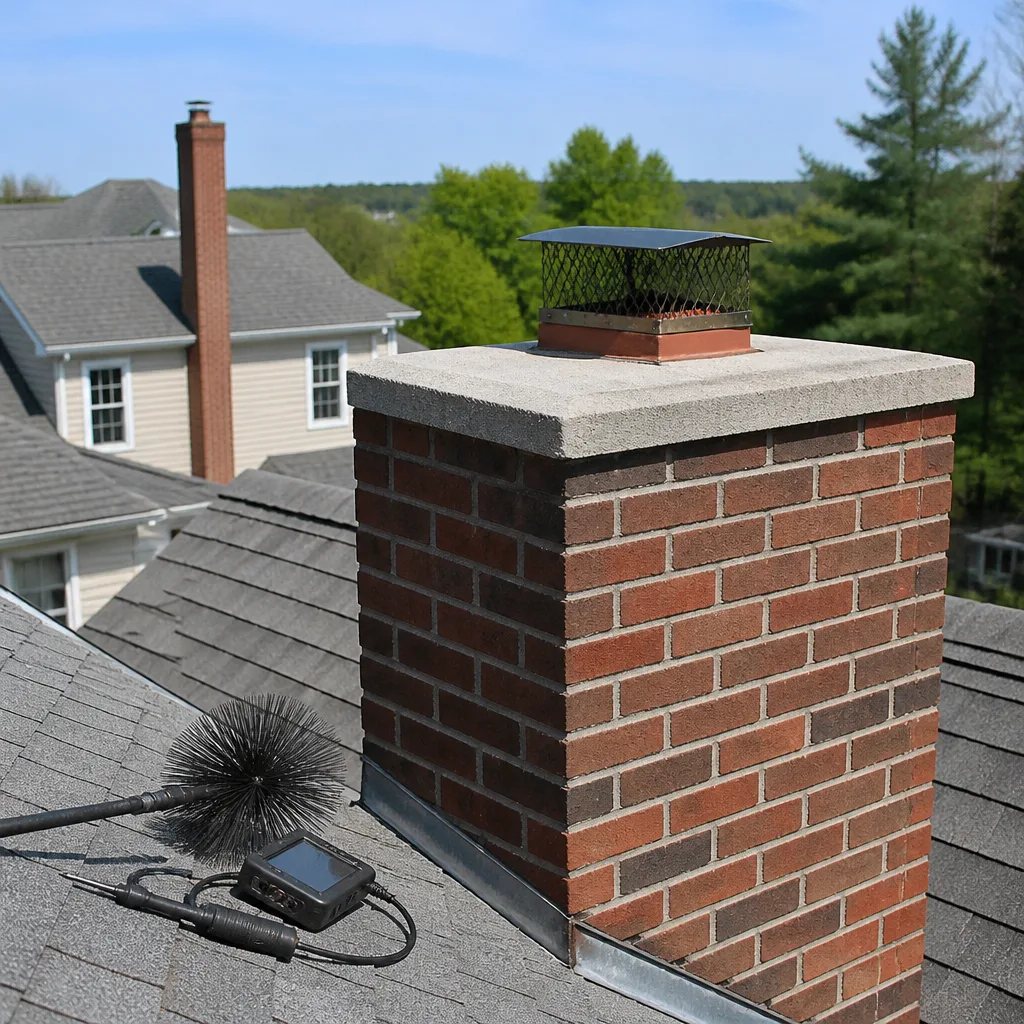 Sweep & inspection
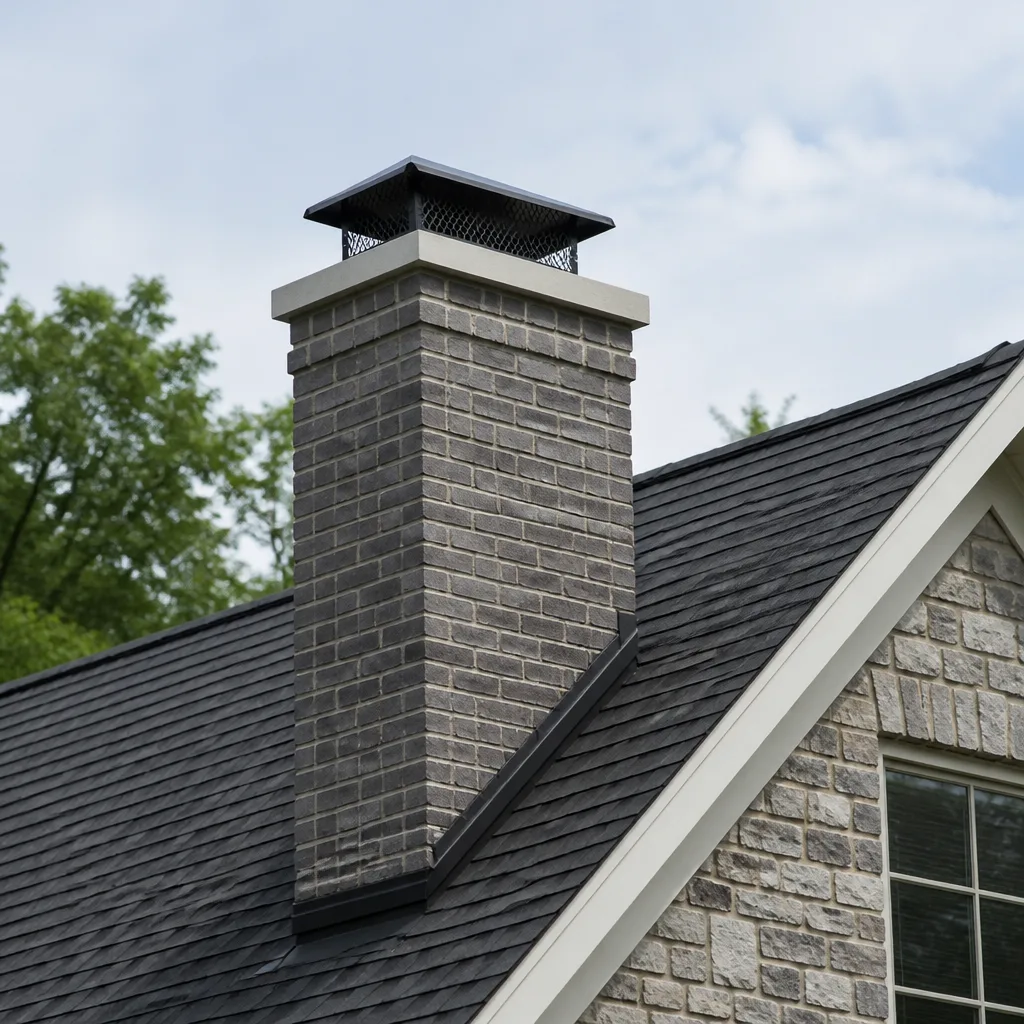 Caps & crowns
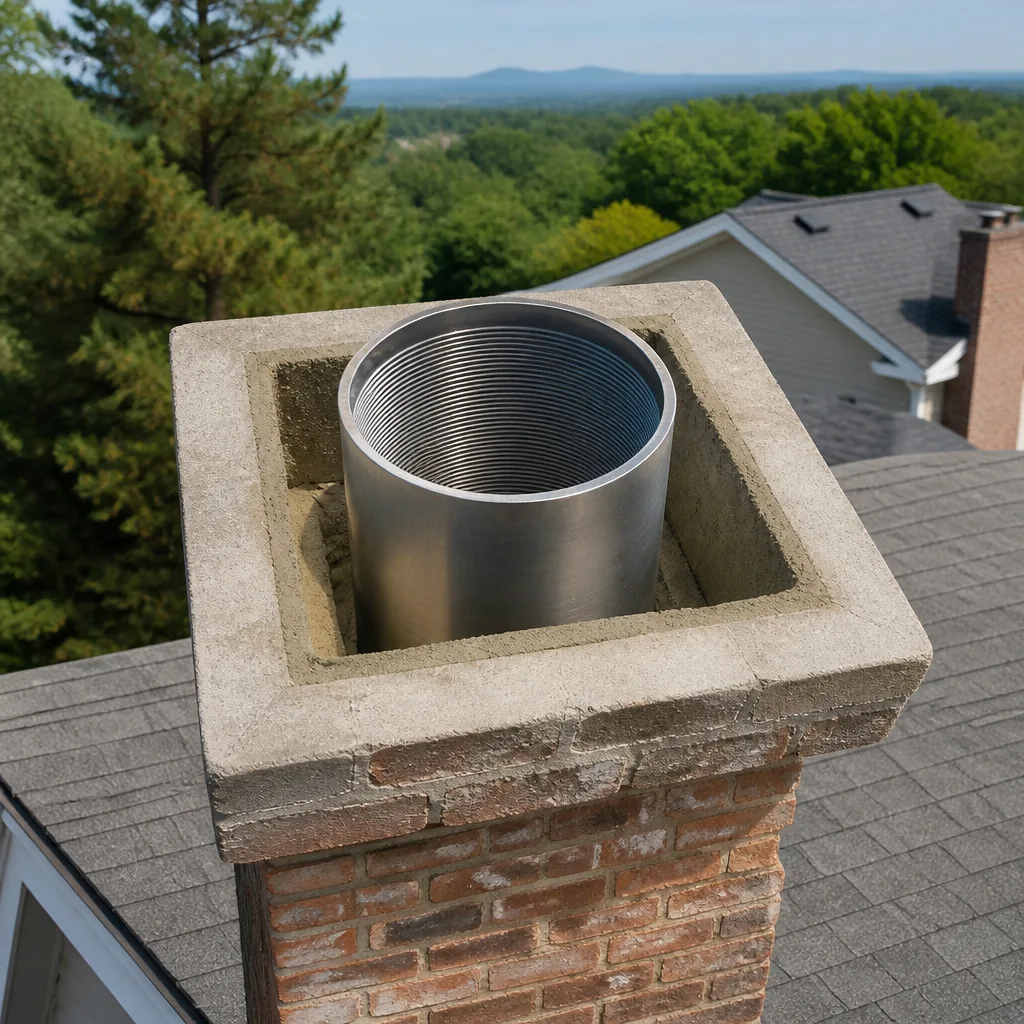 Flue relining
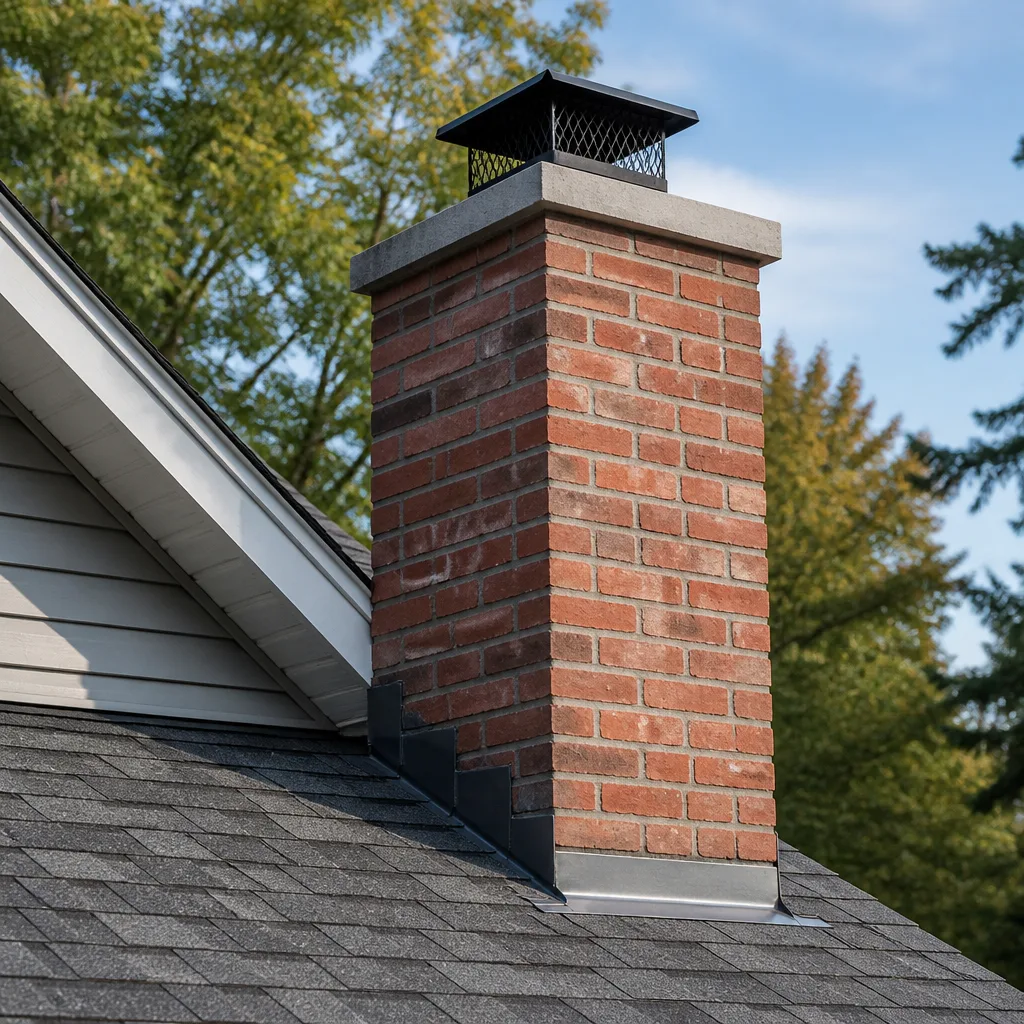 Masonry repair
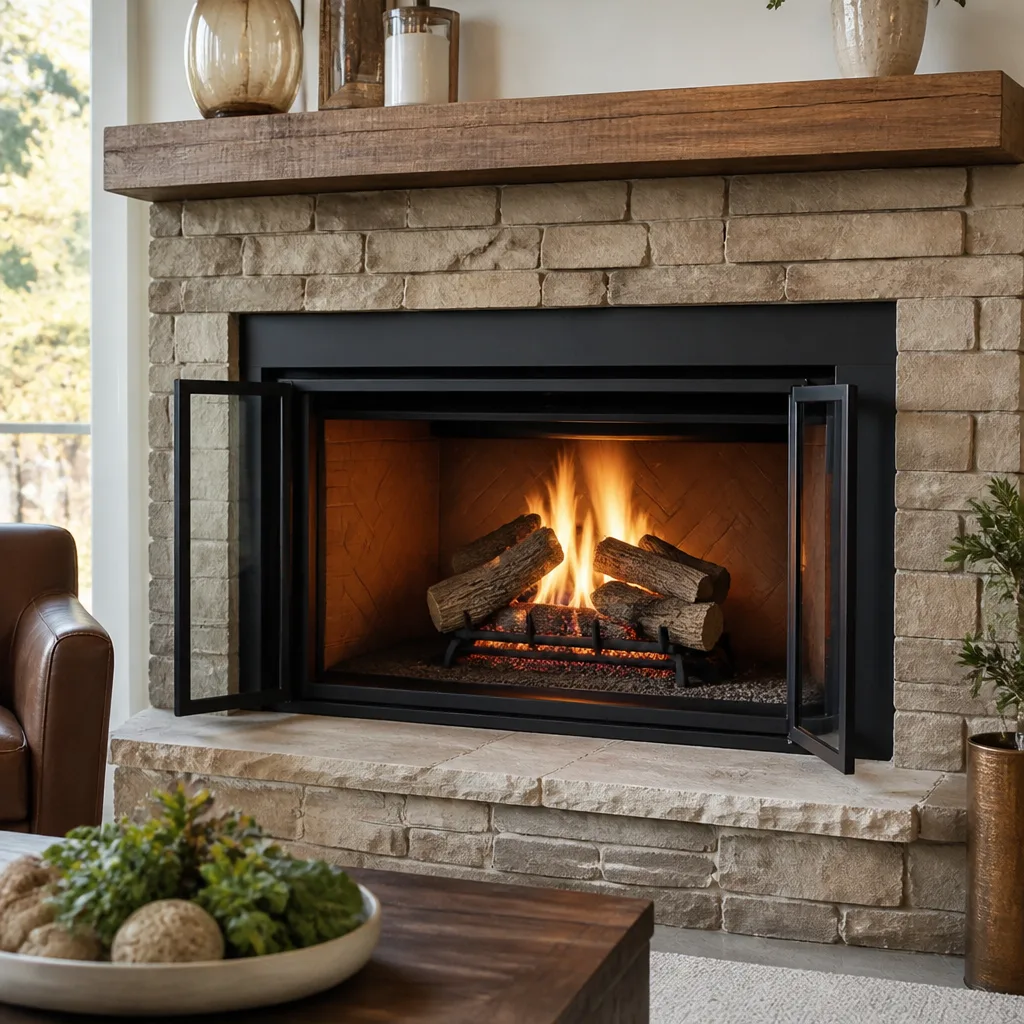 Gas fireplace service
Level 1 sweep and inspection to the NFPA 211 annual standard - flue, crown, cap, and flashing checked and photographed
Chimney sweep logs do not sweep chimneys. They loosen some creosote - which then falls where a brush and vacuum still have to collect it.
DIY vs Professional Chimney Cleaning: The Broken Arrow Homeowner’s Decision Guide
You can buy the same brushes a sweep uses for under $80. The brush isn’t what you’re paying for. The real question with DIY vs professional chimney cleaning isn’t whether you’re handy enough to push a brush up a flue. It’s whether you can accurately read what comes down, and whether you’d spot a hairline crack in a clay tile before it turns into a hazard. Most homeowners can run a brush. Far fewer can tell the difference between normal soot and a liner problem from three feet away. This guide walks through what a DIY chimney cleaning can and can’t accomplish in Broken Arrow, what it really costs once you count everything, and where the math tips toward calling in a professional.
Quick Answer
A DIY chimney cleaning handles light surface soot on an accessible flue, but it can’t deliver the inspection, camera assessment, or documentation a professional sweep provides, and that inspection gap is the real reason the math favors a pro. In Broken Arrow’s older clay-tile liners, the cracks that matter often only show under proper lighting and magnification, which a homeowner with a brush and a flashlight won’t catch. If it’s been more than a year since your last cleaning, or you’ve never had the chimney inspected, professional cleaning is the safer call.
Styles & brands we work with
- Sweep & inspection
- Caps & crowns
- Flue relining
- Masonry repair
- Gas fireplace service
Table of Contents
- What a DIY Chimney Cleaning Can Actually Accomplish
- Where DIY Falls Short: The Inspection Gap
- Broken Arrow Housing Stock and the Clay Tile Problem
- The Real Cost Comparison: Equipment, Time, and the Hidden Gap
- The One DIY Job That Genuinely Makes Sense
- What “Cleaned” Looks Like to You vs. a Certified Sweep
- How a Professional chimney sweep Works, Step by Step
- Common Mistakes to Avoid
- When to Call a Professional
What a DIY Chimney Cleaning Can Actually Accomplish
A basic homeowner brush kit with fiberglass rods can do one thing well: knock loose, dry soot off the accessible walls of a straight flue. If your fireplace has seen light use, the chimney is a simple vertical run, and you’re working from the firebox up, you can reach a fair amount of surface creosote. That’s it. That’s the honest ceiling of what a DIY kit delivers.
What the brush can reach depends on the layout. Here’s where a homeowner kit actually works:
- Straight-section flues with no offsets or smoke chamber turns
- Light, fluffy soot from occasional wood fires
- The lower few feet of the flue, visible from the firebox with a strong light
- Dusting off the firebox walls and damper area
What it does not do is inspect. A brush removes material; it doesn’t tell you the condition of what’s underneath. When the soot comes down, you see the pile. You don’t see the crown of the chimney, the flashing at the roofline, the smoke chamber baffles, the top of the flue tile, or the interior of the liner where hairline cracks hide. On a Broken Arrow chimney with a clay tile liner, that limitation matters more than it would in a newer home with a modern insulated liner. The older the flue, the more you’re relying on an inspection the brush can’t provide.
Here’s the thing most DIY guides skip: the pile of soot on your drop cloth is not proof the chimney is clean. It’s proof you moved some material. Cleaning to a standard is a different job from pushing a brush, and that difference is what keeps a chimney safe through a heating season.
Where DIY Falls Short: The Inspection Gap
A professional cleaning isn’t just a louder brush. The work that comes standard with a real sweep includes a visual inspection that looks at the whole system, not just the flue. That means the firebox, the damper, the smoke chamber, the flue from top to bottom, the crown, the flashing, and the cap. On a proper inspection, the technician uses lighting and mirrors to see up and around, and on many jobs a camera to look into areas the eye can’t reach.
The gap between a brush kit and a professional sweep is really four separate gaps:
- Access. A brush from below reaches the flue. It doesn’t reach the chimney top, where the crown and cap fail first.
- Visibility. Soot, a flashlight, and a mirror from the firebox don’t match the lighting a sweep carries up the flue.
- Assessment. Even if you see a crack, judging whether it’s cosmetic or structural takes training and experience.
- Documentation. A professional sweep records findings with photos and a written report. A homeowner has a memory of what the inside looked like.
The inspection gap is the real argument in the DIY vs professional chimney cleaning debate. If a homeowner brushes the flue once a year and never looks at the crown or the liner, years can pass before a problem shows. By the time it’s obvious, it’s often a repair instead of a cleaning. In our experience, an annual professional cleaning catches the small issues while they’re still small, and that’s the whole point of doing it on a schedule.
Broken Arrow Housing Stock and the Clay Tile Problem
Much of Broken Arrow’s older housing stock was built when clay tile liners were the standard, and many of those chimneys are still in service with their original liners. Clay tile is a perfectly good liner material. It’s also brittle. It cracks under thermal cycling, from a lightning strike near the chimney, or from a chimney fire that the homeowner didn’t know had happened. A hairline crack in a clay tile is invisible in normal light. It shows up under magnification or on a camera, and sometimes only the professional sees it.
Why does that crack matter? An unlined or cracked flue lets heat and combustion gases reach the wood framing and the structure around the chimney. That’s a fire path, and it’s the reason most modern building codes require a continuous liner in good condition. If you’re not sure whether your clay tile flue is intact, that’s exactly the question a professional inspection answers. A DIY cleaning does not.
Broken Arrow’s climate plays a part, too. Summer-to-winter swings and the freeze-thaw cycle work on masonry year after year, stressing the crown and the mortar joints. Colder months bring heavier fireplace use, which is exactly when a compromised liner gets tested. Spring is a good time to look at the chimney before it’s been stressed by a season of fires, and early fall is the other. If your annual cleaning happens in either window, you get ahead of the season rather than chasing it.
We’re local to Broken Arrow, and we see the clay tile pattern over and over. Not every chimney has a problem, but the ones that do often show it in a way only an inspection catches.
The Real Cost Comparison: Equipment, Time, and the Hidden Gap
Here’s the fair version of the DIY vs professional cost comparison. A homeowner brush kit runs somewhere in the tens of dollars, and if you go cheap, under $80 still buys a lot of brush. A single professional cleaning typically costs a fraction of what a repair costs, though the exact number depends on the chimney, the number of flues, and whether any additional assessment is needed. We set the price per job with a written estimate, not a flat rate posted on a website, because two Broken Arrow chimneys of the same age can be very different jobs.
The problem with comparing the brush kit price to a sweep fee is that you’re comparing apples to a different fruit. The real DIY cost includes things a kit doesn’t advertise:
- Additional equipment. Drop cloths, a shop vacuum rated for fine soot, a good flashlight, a respirator, and a ladder if you plan to check the top. That’s before you count the camera you’d need to see the flue.
- Time. A first-time DIY cleaning is a half-day project by the time you lay protection, work the flue, clean up soot, and haul everything out. A professional crew works faster because of experience and equipment, not shortcuts.
- Disposal and cleanup. Soot travels. It gets into carpet, upholstery, and the HVAC. Professional sweeps use contained equipment and drop cloths because they’ve learned the cost of a soot-stained room.
- The inspection gap. This is the line item most homeowners skip. You’re not just paying for a brush; you’re paying for a trained set of eyes and a documented look at what the brush found.
Once those are added up, a professional chimney repair avoided because a small issue got caught is worth far more than the savings on a brush kit. The question isn’t whether DIY is cheaper on day one. It’s whether you’d rather spend a Saturday on your hands and knees or spend a modest amount to have the sweep done and the chimney checked in one visit.
The One DIY Job That Genuinely Makes Sense
There is a case for the homeowner with a brush, and it’s not a full cleaning. It’s the maintenance in between professional visits, and it’s mostly small habits rather than tools. What a homeowner can safely do between annual sweeps is keep the firebox clean, keep an eye on the visible parts of the chimney, and burn correctly. What they shouldn’t do is treat a brush kit as a substitute for the annual inspection.
Here’s what genuinely helps between professional visits:
- Keep the firebox swept out. Ash and debris in the firebox don’t hurt anything, but keeping the hearth clear prevents embers from rolling out and makes it easier to spot changes.
- Burn dry, seasoned wood. Wet wood smolders and produces more creosote. Dry wood burns hotter and cleaner. This is the single biggest creosote variable a homeowner controls.
- Don’t burn trash, cardboard, or wrapping paper. Those produce hot, fast flare-ups and add material to the flue that wasn’t meant to be there.
- Look at the visible parts. The crown at the top of the chimney is visible from the ground with binoculars. A crack there is easy to see and worth pointing out at the next sweep.
- Check the firebox and damper area. If something looks wrong, a crack, a loose brick, or a damper that won’t close, note it and mention it to the professional.
That’s the DIY that makes sense. It’s checking and burning correctly, not cleaning to a standard. If you’re already on an annual schedule, the small stuff keeps the annual job smaller. If you’re not on a schedule, that’s the real issue, not the brush. If you’ve never had a professional look at the chimney, or it’s been more than a year, you can’t DIY your way out of that gap. A professional What “Cleaned” Looks Like to You vs. a Certified Sweep
To a homeowner, “clean” means no visible soot, no ash smell, and a firebox that looks tidy. To a trained sweep, clean means something measurable. The standard a professional works to is that the flue surfaces have been brushed and the removable deposits cleared, the smoke chamber is free of built-up creosote, and the whole system has been looked at so any problem is documented before it’s called clean. Those are two different definitions, and only one of them keeps you safe. Here’s the comparison plainly: The gap is what a homeowner can’t see. A flue that looks clean from the firebox can have creosote baked onto the upper walls, a cracked tile above the smoke shelf, or a crown crack that’s letting water in. None of that shows in the firebox. All of it shows under the sweep’s equipment. The standard isn’t a trick to sell you something; it’s the reason the annual cleaning does its job. If we brush a flue and don’t find anything, we say so and you know it’s clear. If we find something, we show you the photo before we mention a fix. The work of a professional sweep is straightforward and contained. Here’s what a typical visit to a Broken Arrow home involves, from the moment we arrive to the moment you get the report: The point of the camera and the written report is that the information belongs to you, not to us. If a technician recommends chimney repair, whether that’s a Flagship Chimney Sweep recommendation or a second opinion, you have the photo evidence to decide. Some repairs genuinely can wait a season. The sweep tells you which ones those are, and that’s part of the job, not a sales script. When repair is needed, the work uses professional-grade materials. Our technicians work with established industry product lines like DuraFlex liners for relining, HeatShield for resurfacing the flue, and Gelco for caps and top-end protection. Those are the products we choose because they’re specified for the job, not because they’re the cheapest on the shelf. One company from sweep to repair means the person who found the problem is the person who can fix it, with no handoff and no second visit from a stranger. There are clear situations where DIY stops being a question. Call a professional when it’s been more than a year since your last cleaning, when you’ve never had the chimney inspected, when you’ve seen smoke coming into the room or a strong creosote smell, when the damper won’t open or close smoothly, or when the crown, flashing, or mortar around the chimney looks cracked or crumbling. Call when you’ve had a chimney fire, even a small one, since the liner needs a look after any fire. Call if you find cracked or missing tiles in the firebox, or loose bricks anywhere in the chimney structure. And call if you’re buying or selling a home in Broken Arrow and need the chimney documented before closing. Flagship Chimney Sweep offers free estimates in Broken Arrow. Call (866) 389-4464. We answer 24/7. Fast dispatch from 7am to 7pm, Sunday through Friday. The estimate is free and the price is set per job by the written estimate.
How a Professional Chimney Sweep Works, Step by Step
Common Mistakes to Avoid
When to Call a Professional
See the difference
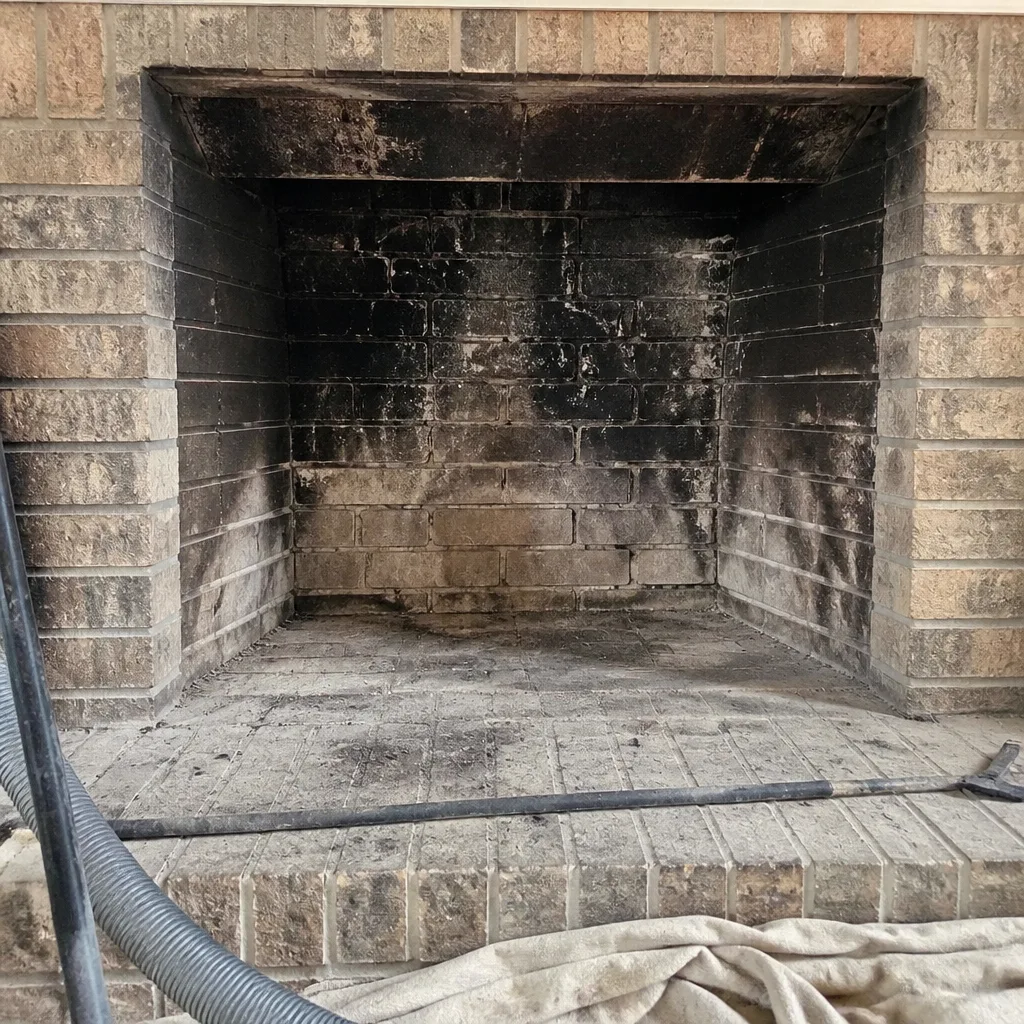 Before
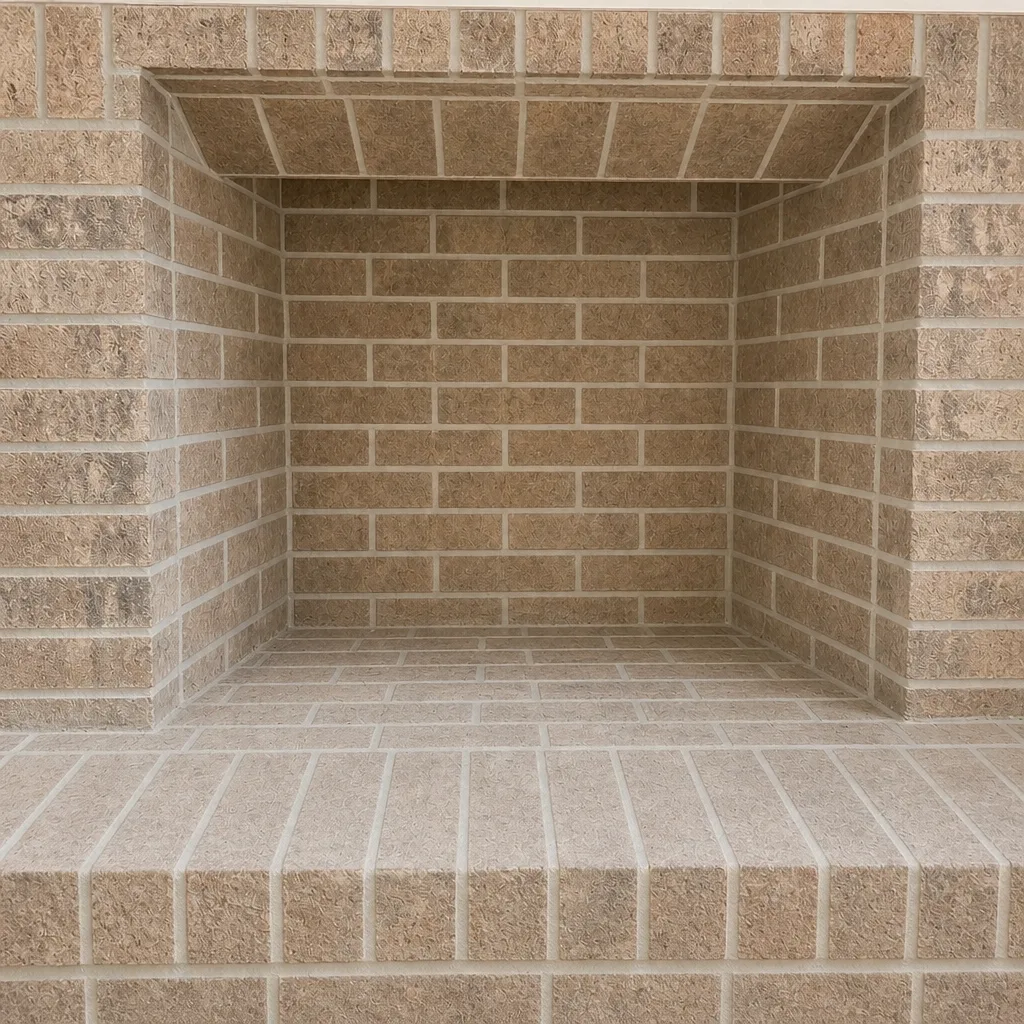 After
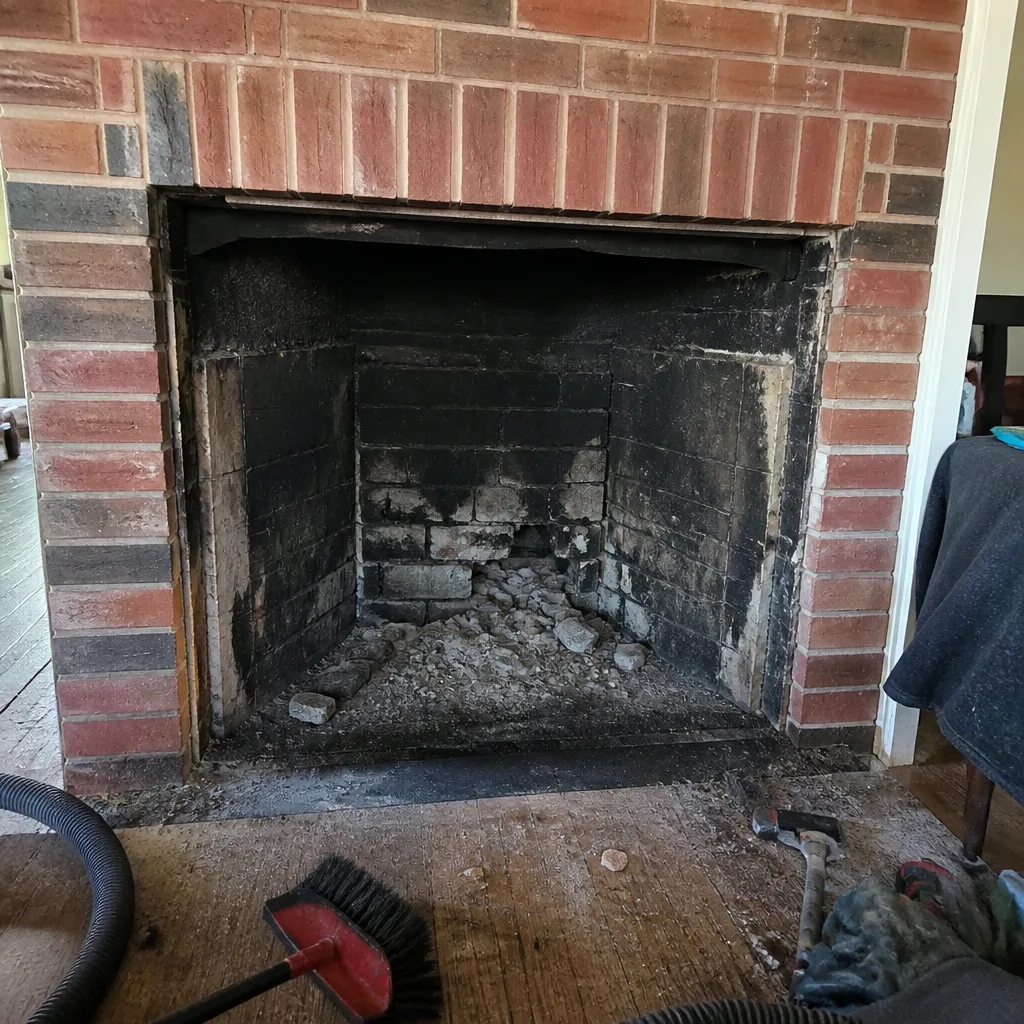 Before
 After
 Before
 After
Frequently Asked Questions
You can brush light soot from an accessible flue with a homeowner kit, but you can’t perform the inspection that a professional sweep includes, and that’s the part that matters for safety. In Broken Arrow’s older clay tile liners, cracks often show only under magnification or a camera. Brushing your own chimney is fine as extra maintenance; it isn’t a substitute for the annual professional visit.
The price depends on the chimney, the number of flues, and whether any additional assessment is needed, so we set it per job with a written estimate. The estimate is free, and the written price is what you pay. Call (866) 389-4464 for an exact quote.
Yes, if you burn wood in a fireplace or fuel-burning appliance, an annual inspection is the standard because the problems that matter most don’t show in the firebox. The flue, smoke chamber, crown, and cap are where issues appear first, and a trained eye catches them while they’re still small. Skipping the annual look is how a small issue becomes a repair.
The brush itself is similar; the difference is access, visibility, assessment, and documentation. A professional sweep has the lighting, camera, and experience to see the whole system and record what’s found. A homeowner with a kit can move a brush but can’t see the whole flue or judge what they find. That’s the gap that makes the professional visit worth it.
Most wood-burning chimneys should be swept and inspected once a year, and more often if you burn heavily through the heating season. Oklahoma’s colder months bring heavier fireplace use, so a fall cleaning puts you ahead of the season. If you’ve never had it done, or it’s been more than a year, that’s the time to schedule.
Creosote builds up on the flue walls, and creosote is what fuels a chimney fire. A flue that’s overdue for cleaning can also hide a cracked tile or a failing crown, and those problems get worse the longer they sit. Skipping the annual cleaning doesn’t cause a fire on its own, but it stacks the odds. The cost of a cleaning is always less than the cost of a repair.
Check the crown and flashing from the ground with binoculars, keep the firebox clear, burn dry seasoned wood, and note anything that looks cracked or loose. That’s the safe DIY maintenance between visits. Anything inside the flue or on the roof gets left to a professional.
Yes. Sweep, inspection, and repair are all part of what we do, so the person who inspects the chimney is the same team that can fix it. Repair work uses professional-grade product lines like DuraFlex for liners and HeatShield for resurfacing, selected for the job. One company from sweep to repair, no handoff.
The Bottom Line
The DIY vs professional chimney cleaning debate usually comes down to one thing: assessment. A homeowner can buy the brush. What the brush can’t do is see the flue, check the crown, look at the liner under magnification, and put what’s found in a written report you can see for yourself. In Broken Arrow’s older clay tile chimneys, that gap is where the real risk lives. Keep up the small between-visit habits, let a professional handle the annual sweep and inspection, and if a problem turns up, you’ll know it from the photo before anyone recommends a fix.
If you’re in Broken Arrow and haven’t had your chimney cleaned in more than a year, call (866) 389-4464 for a free estimate and a written price for the work. We answer 24/7. Fast dispatch from 7am to 7pm, Sunday through Friday.
Written by the team at Flagship Chimney Sweep.