
Last updated November 15, 2026
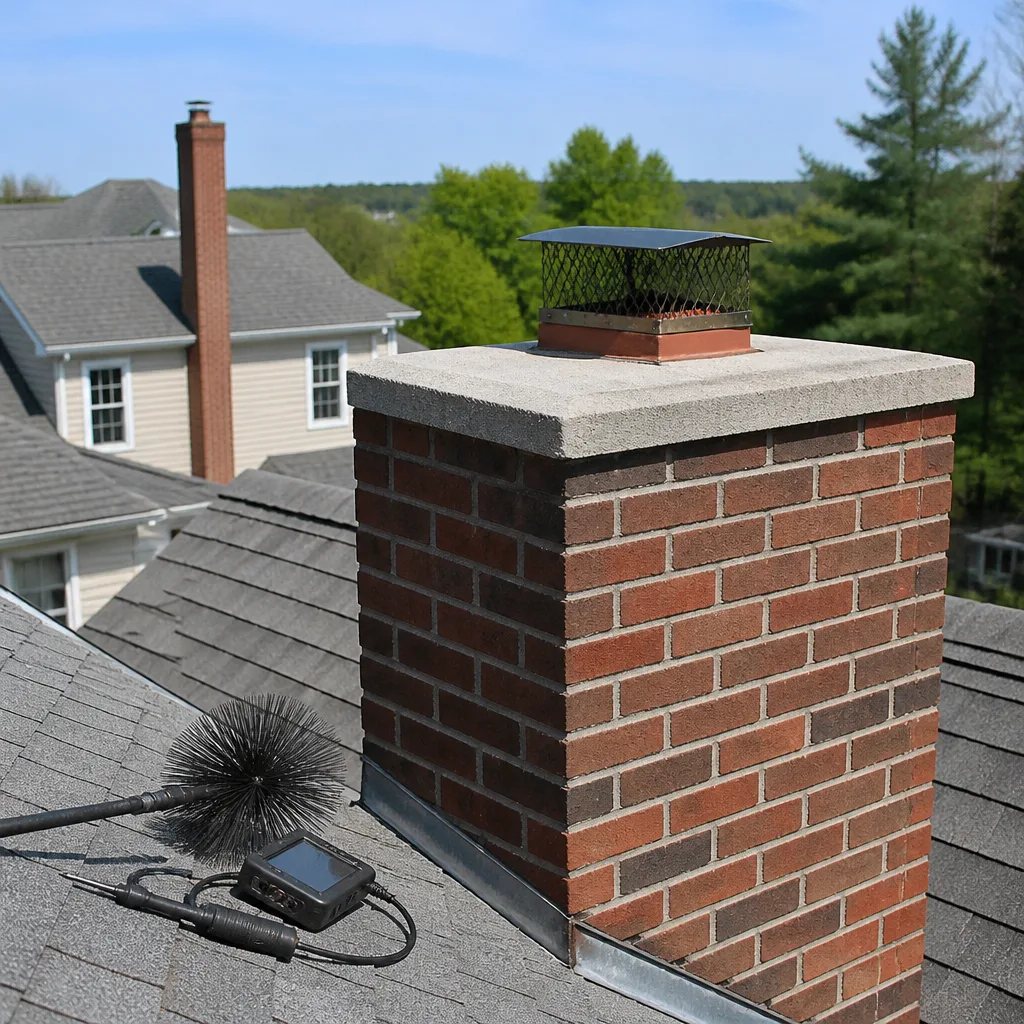 Sweep & inspection
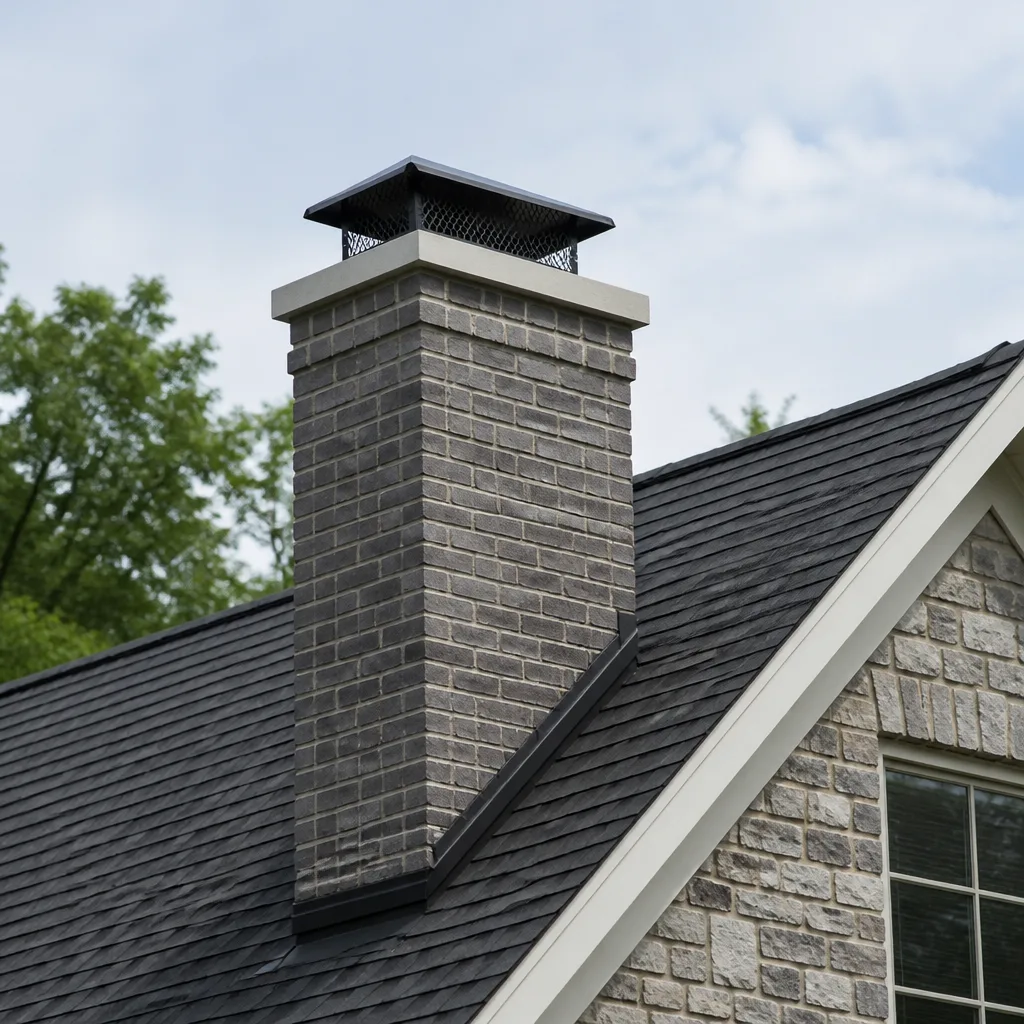 Caps & crowns
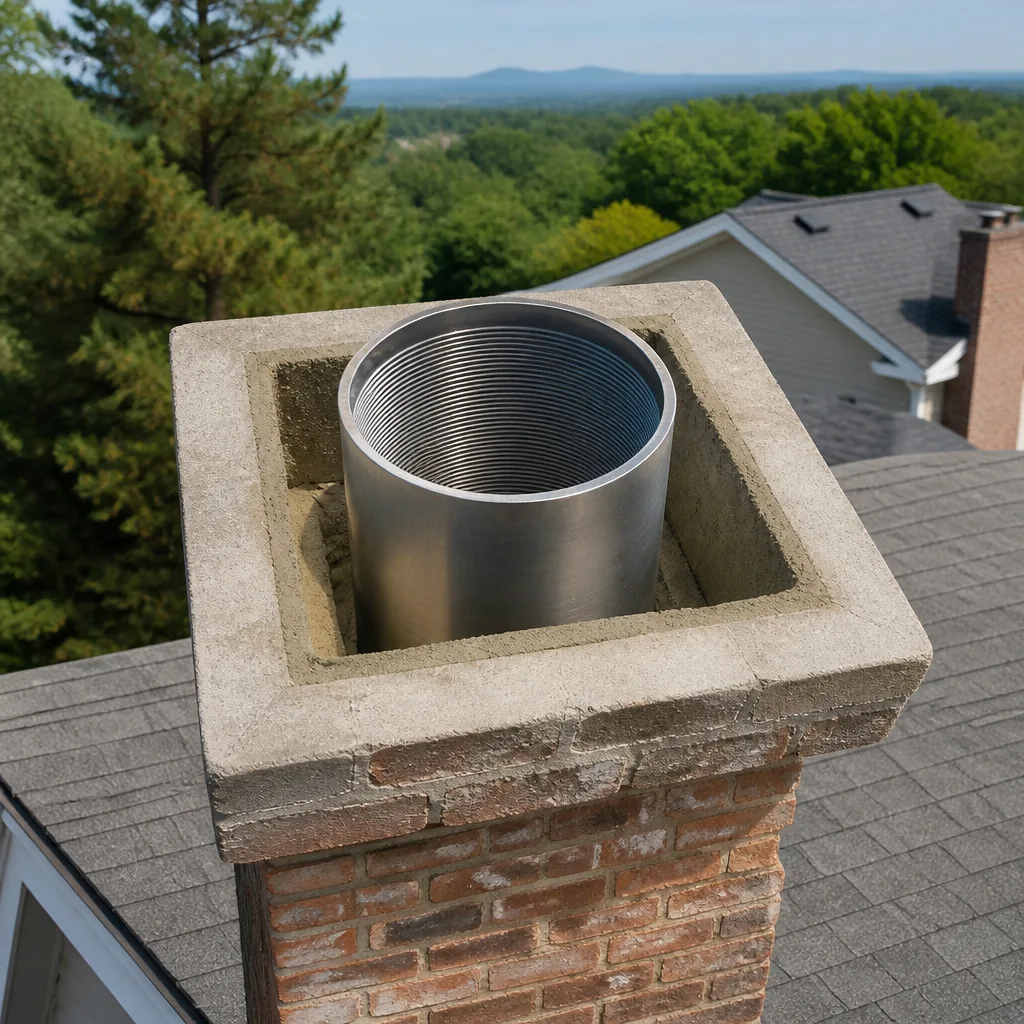 Flue relining
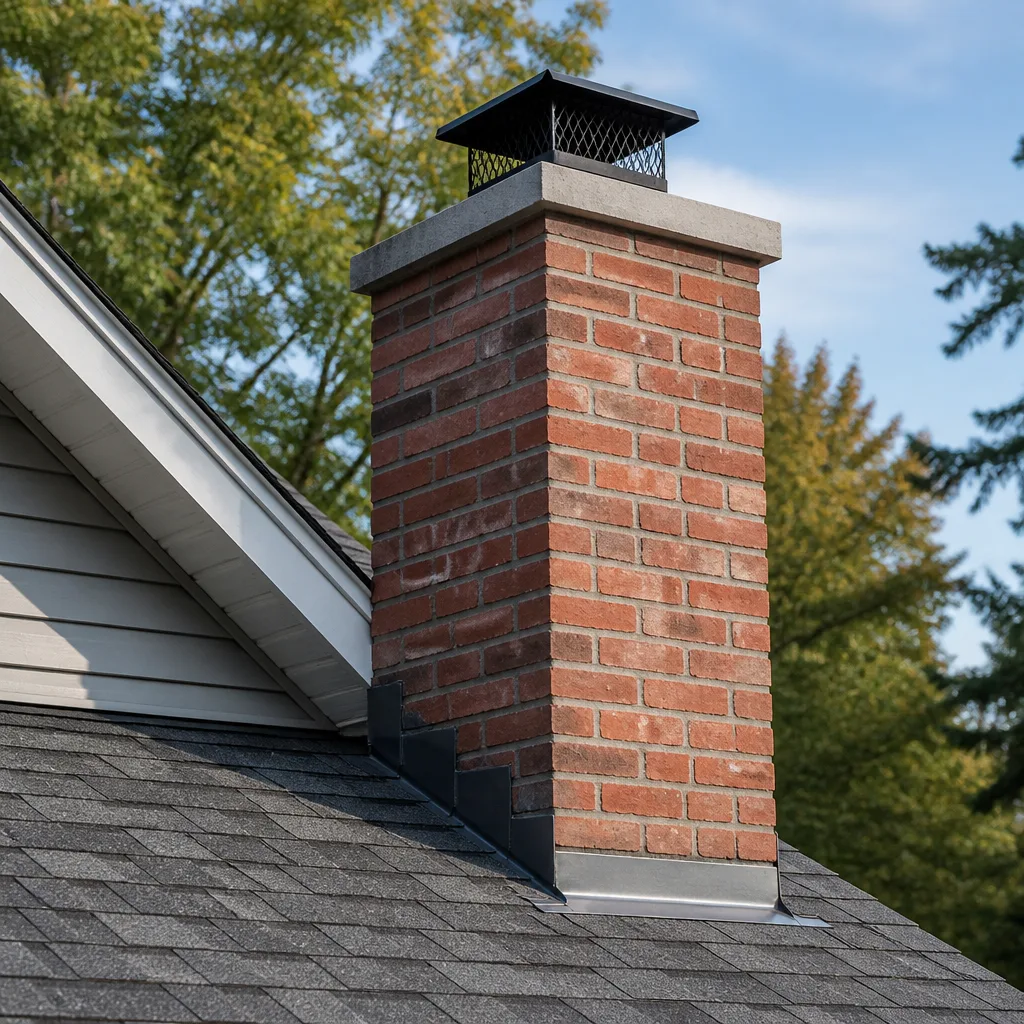 Masonry repair
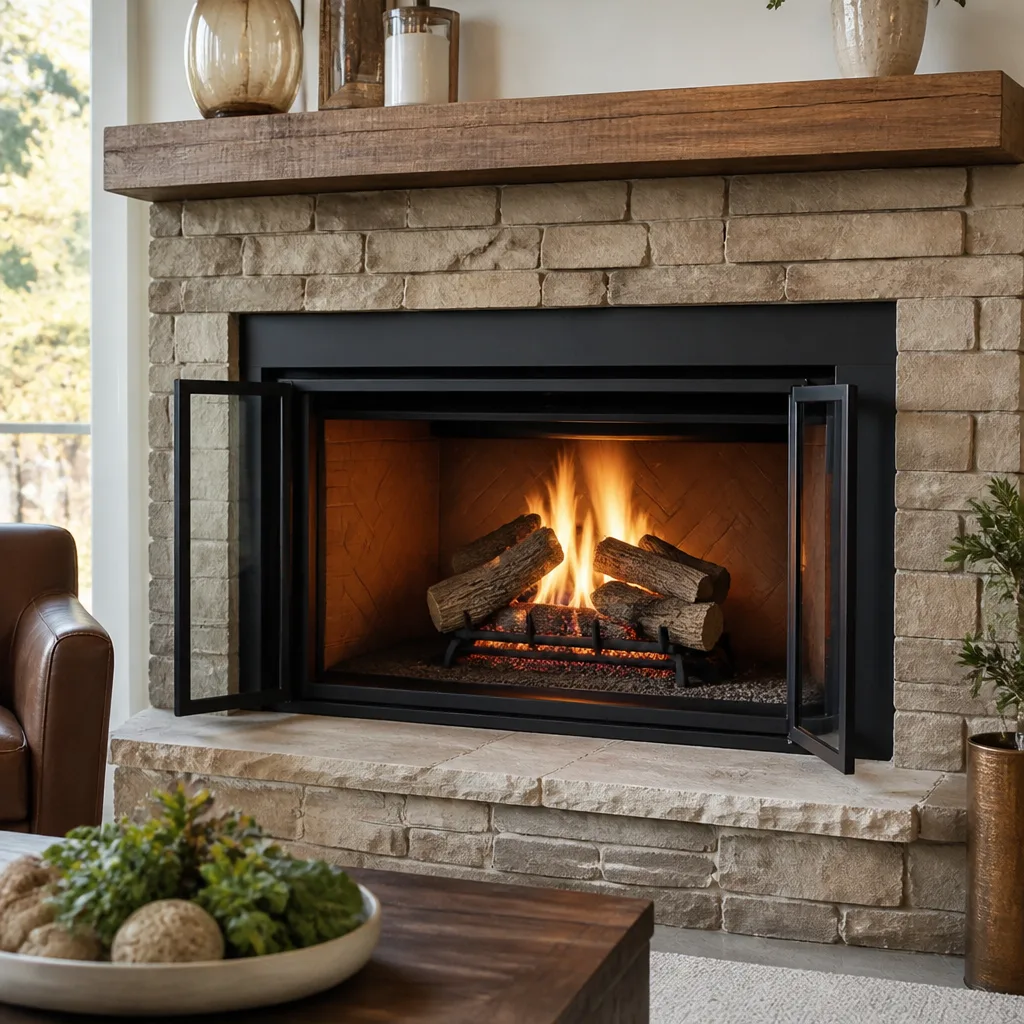 Gas fireplace service
Level 1 sweep and inspection to the NFPA 211 annual standard - flue, crown, cap, and flashing checked and photographed
Chimney sweep logs do not sweep chimneys. They loosen some creosote - which then falls where a brush and vacuum still have to collect it.
Chimney Sweep Maintenance Schedule: What to Do and When
Most chimney advice stops at “sweep it once a year” and calls it a day. That standard was written for a house burning an average amount of wood, and plenty of Broken Arrow homes don’t fit it. If you run a gas insert most nights of the week, or you burn three cords a winter, or your fireplace is forty years old and still has its original clay liner, the calendar-only approach is already behind your actual usage. A real maintenance schedule answers two questions at once: what needs doing, and when does it need doing for your house specifically. This guide gives you a usage-based framework for chimney care, walks through what belongs in spring versus fall, and separates the jobs you can handle yourself from the ones that require professional equipment and training. We’ll also explain why creosote buildup, not just safety, shapes your eventual repair bill.
Quick Answer
Sweep and inspect your chimney at least once a year if you burn wood, and clean it every time about a quarter-inch of creosote has built up on the flue walls, which for heavy users can mean two cleanings in a single season. Gas appliances need an annual inspection but rarely a full sweep. The single most important timing rule in Broken Arrow is to book your fall inspection early, because the pre-season window fills quickly once the first cool nights arrive.
Styles & brands we work with
- Sweep & inspection
- Caps & crowns
- Flue relining
- Masonry repair
- Gas fireplace service
Table of Contents
- The usage-based maintenance matrix: what schedule fits your home?
- Spring vs. fall: which maintenance tasks belong when
- Creosote stages and why frequency keeps repair costs down
- Why the fall pre-season window in Broken Arrow fills up fast
- What you can check yourself vs. what needs professional equipment
- Caps and crowns: the part of the annual cycle most homeowners skip
- Sweep findings: what to fix now and what can safely wait
- Common mistakes to avoid
The usage-based maintenance matrix: what schedule fits your home?
The annual sweep is the baseline, and it’s a good baseline. But the National Fire Protection Association’s “at least once a year” guidance is calibrated for average usage, and your fireplace may be well above or below average. Building a schedule around how you actually burn is the difference between overpaying for unnecessary cleanings and running a creosote load that you can’t see building.
Here’s the framework we use when talking through a homeowner’s year:
| Usage pattern | Cleaning threshold | Inspection frequency |
|---|---|---|
| Light use: under 15 fires per season | Once annually, at end of season | Once annually |
| Moderate wood use: 15 to 50 fires | Once annually minimum; a mid-season check is wise if wood is unseasoned | Once annually, plus a visual mid-season look |
| Heavy use: more than 50 fires or multiple cords per season | Often twice per season, once mid-winter and once in spring | Once annually with a camera; sweep when creosote reaches a quarter-inch |
| Gas insert or gas log set, used regularly | Rarely needs a full sweep; the flue stays cleaner | Once annually, with attention to the venting and the appliance connections |
| Wood-burning insert or freestanding stove | Once annually at minimum, frequently twice; inserts run hotter and can build creosote faster in a cool flue | Once annually, with an extra check after the first month of a new install |
The quarter-inch creosote rule is the physical benchmark regardless of fire count. If you burn a cord of dry oak across the winter, you may be safe with one spring cleaning. If you’re burning whatever the neighbor cut last month, wet wood generates far more creosote and your cleaning cadence needs to tighten. For a home in Broken Arrow being used as a primary heat source for a cold snap, plan for that mid-winter check rather than waiting for spring.
Spring vs. fall: which maintenance tasks belong when
There are two good windows for chimney care, and they serve different purposes. Spring is the diagnostic window: sweep out the winter’s creosote while you can still see what the season did to the flue, and get repairs done in the off-season when schedules have slack. Fall is the readiness window: a pre-season inspection confirms the chimney is clear of bird nests, debris, and the cap is intact before the first cold evening you want a fire.
Splitting your tasks like this is what we recommend for most homes:
- End of heating season (spring): Full sweep to clear creosote and ash. Camera inspection of the flue to catch cracks, spalling, or liner gaps that developed over winter. Cap and crown inspection, since freeze-thaw cycling in Oklahoma winters does its worst to masonry. Any repair work gets scheduled now while the weather allows it.
- Mid-summer: A good time for masonry repair, cap replacement, or liner work, because the drying and curing windows are best and you aren’t competing for scheduling.
- Early fall (September through October): Pre-season inspection. Confirm the flue is clear, no nests or debris came down over the summer, the cap is still seated, and the damper operates freely. This is where a chimney sweep in Broken Arrow gets booked solid, so call early.
- Mid-winter (heavy users only): A quick sweep if you’ve burned more than 50 fires or a cord and a half. Creosote buildup on a hot flue is the one thing you don’t want to leave unchecked through a cold stretch.
The reasoning is simple: repairs you can see coming are cheaper than repairs you discover by emergency. Spring inspection catches the cracked crown before water gets into the masonry over the summer storm season, and a fall readiness check confirms it’s all still holding. Skipping either window leaves a gap.
Creosote stages and why frequency keeps repair costs down
Creosote is the residue of incomplete combustion, and it moves through three recognizable stages in the flue. Stage 1 is a light, flaky soot that brushes off easily and is essentially what a normal sweep clears. Stage 2 is a glazed, tar-like layer that clings to the flue wall, requires more than a standard brush to remove, and is the point at which you’re getting close to a chimney fire hazard. Stage 3 is a dense, hardened glaze that can only be handled with specialized equipment, and by that point you’re often looking at compromised flue walls underneath.
Why does this matter for cost? Because the cleanup cost jumps between stages:
- Stage 1 buildup: routine sweep. The straightforward job.
- Stage 2 buildup: heavier mechanical cleaning, longer appointment, and a deep inspection to make sure the heat hasn’t damaged the flue.
- Stage 3 buildup: specialist removal, and often a conversation about whether the liner needs replacing rather than just cleaning.
Sweeping on the right cadence keeps you in Stage 1 or the early edge of Stage 2. Skipping a season can carry you into Stage 3 without any warning signs you’d notice from the hearth. And when the flue has been repeatedly heat-stressed by a heavy creosote load, the eventual repair isn’t just a sweep; it’s a full reline. That’s why we treat frequent cleaning as a cost-avoidance measure, not a service upsell.
When a liner replacement is genuinely needed, we install DuraFlex and Olympia Chimney products because they’re specified for the appliance and the flue, not the cheapest roll on the shelf. The point of a professional-grade component is that it’s built to last so we’re not back to replace it in a couple of seasons.
Why the fall pre-season window in Broken Arrow fills up fast
Northeastern Oklahoma weather works against you here. The cool snaps arrive fast, often with a stretch of 90-degree days followed by a hard cold front that has people lighting a fire the same evening. The result is that a large share of Broken Arrow homeowners think about their chimney in October, at the exact moment everyone else is thinking about theirs. Appointment calendars for sweeping and inspection compress hard in that window.
The practical remedy is to shift your schedule earlier. Book the pre-season inspection in late summer or early fall rather than waiting for the first cold evening. There’s no downside: a flue that’s been checked and cleared in early September is ready the minute the first cold front rolls through, and if something needs repair, you have time to schedule it without a scramble.
Booked early, the fall inspection is also the natural checkpoint for the whole annual cycle: it confirms the work done in spring is holding, that no birds or debris dropped down the flue over the summer, and that the cap and crown are still intact. Late-booked, the same inspection happens under pressure and often gets pushed into a cooler stretch where the schedule has no room.
When you’re timing your appointment, remember that this is a service that has to be scheduled, not one that can be dispatched on demand. The urgency here is seasonal, not hourly: it’s about getting on the calendar before burning season, not about getting someone out the same afternoon. If your flue has been unused since spring, this is the window to call.
What you can check yourself vs. what needs professional equipment
There are legitimate homeowner tasks that complement a professional schedule, and there are tasks that simply can’t be done safely without the right tools. Sorting them out honestly keeps you from wasting a service call on something you can handle, and from risking your safety on something you can’t.
What’s reasonable to do yourself:
- Visual check from the hearth: look up the flue with a flashlight and note any obvious debris, animal nests, or heavy buildup. You’ll see the first few feet, not the top, but it’s a useful first look.
- Damper operation: open and close it, confirm it moves freely and seals flat against the frame. A damper that sticks open wastes heat; one that sticks shut could fill the room with smoke.
- Ash removal from the firebox, once it’s fully cooled. A metal container with a lid, kept well away from anything combustible, is the safe way to handle it.
- Exterior visual inspection: from the ground, check the cap is seated and the crown has no obvious cracks. Binoculars help.
- Test your smoke and carbon monoxide alarms. This is the check that belongs on every maintenance calendar, chimney or not.
What requires professional equipment and training:
- Full-length flue sweeping with the right brush for your flue type, plus the drop cloths and containment to keep soot out of your living room.
- Camera inspection, which lets us see the entire flue interior rather than just the first couple of feet. We include the camera and a photo report on every inspection because you shouldn’t have to take our word for what’s up there.
- Stage 2 or Stage 3 creosote removal, which is more than a brush job.
- Anything involving the liner, crown, or masonry repair. This is not a job to attempt with a ladder and good intentions.
If you’re checking your flue from the hearth and see glazed, tar-like residue on the walls, that’s already beyond a homeowner task. Call a professional and let them assess it.
Caps and crowns: the part of the annual cycle most homeowners skip
Most of the conversation about chimney maintenance stays inside the flue. The cap and the crown are outside it, and they’re where a lot of damage begins. The cap is the metal hood over the flue that keeps rain, debris, and animals out. The crown is the concrete or masonry surface on top of the chimney that sheds water away from the structure. Both of them take the full force of Broken Arrow’s freeze-thaw cycles, hail, and summer sun.
What belongs in your annual cycle:
- Cap seating: confirm it’s anchored firmly and hasn’t lifted or warped. A loose cap is a straight path for water into the flue and for birds to nest in it.
- Cap screens: check for holes that wildlife can push through, and for buildup that reduces airflow.
- Crown condition: hairline cracks are common and often harmless; widening cracks or a crown that’s pulling away from the flue are not.
- Flashing: where the chimney meets the roof, the flashing is a common leak point. Worth checking with the crown.
When a cap needs replacing, we use Gelco or Copperfield caps because the geometry and fittings actually match the flue, rather than being retrofitted. A properly fitted cap does more to protect your flue between sweeps than almost any other single component. It’s not an optional add-on to a sweep; it’s part of the annual cycle.
Sweep findings: what to fix now and what can safely wait
One honest concern about chimney maintenance is the feeling that every inspection will turn into a sales pitch for expensive repair work you can’t verify. We hear this from homeowners across Broken Arrow, and the fairest answer is that nothing gets recommended without camera evidence you can look at yourself. If the photo report doesn’t show the problem, the recommendation shouldn’t be on the list.
Not every finding is urgent. Here’s the honest way to sort what a sweep turns up:
- Fix now (safety or ongoing damage): cracks that penetrate the flue wall, a compromised liner, a crown crack that’s letting water into the masonry, a cap that’s failed and letting rain into the flue, any amount of Stage 3 creosote.
- Plan for the next window: hairline crown cracks that need sealing but haven’t widened, minor spalling that’s progressed slowly, a cap with cosmetic damage but no functional gap.
- Watch and check again next season: slight liner wear that hasn’t compromised the flue, single hairline cracks that aren’t traveling. Documented at this visit and re-examined at the next.
The “watch” category is real, not a hedge. A chimney that’s monitored annually is far less likely to need a big repair than one that’s inspected only when something goes visibly wrong. When a repair is needed, we work in the industry-standard products: HeatShield resurfacing when the flue needs restoring rather than relining, DuraFlex when it’s a reline, Famco or Olympia Chimney where the component spec calls for them. All of it is warrantied name-brand work, and it’s done by the same people who did the inspection. No handoff to a subcontractor you’ve never met.
Common Mistakes to Avoid
- Treating “once a year” as a ceiling rather than a floor. Homes burning multiple cords per season frequently need two cleanings. Burning a whole season on one sweep is how Stage 2 creosote becomes Stage 3.
- Waiting until the first cold snap to book. The fall window in Broken Arrow compresses fast once the temperature drops. Booking early in fall avoids the scramble and leaves time for repairs.
- Burning unseasoned wood. Green or wet wood puts far more creosote in the flue per fire than dry, well-seasoned wood. That means faster buildup on the same schedule.
- Ignoring the cap and crown. Both are outside the flue and inside the annual cycle. Skipping them is how water gets into the masonry and how a small crack becomes a large repair.
- Assuming a gas insert needs no inspection. A gas appliance rarely needs a full sweep, but it still needs an annual inspection to confirm venting and connections are sound.
- Getting a sweep from one company and repairs from another. The technician who diagnoses the problem already knows the flue. Splitting the work between companies means re-explaining, re-inspecting, and no single point of accountability.
- Skipping a season entirely for cost reasons. It’s always cheaper to sweep than to reline. Missing a season is the false economy in chimney care.
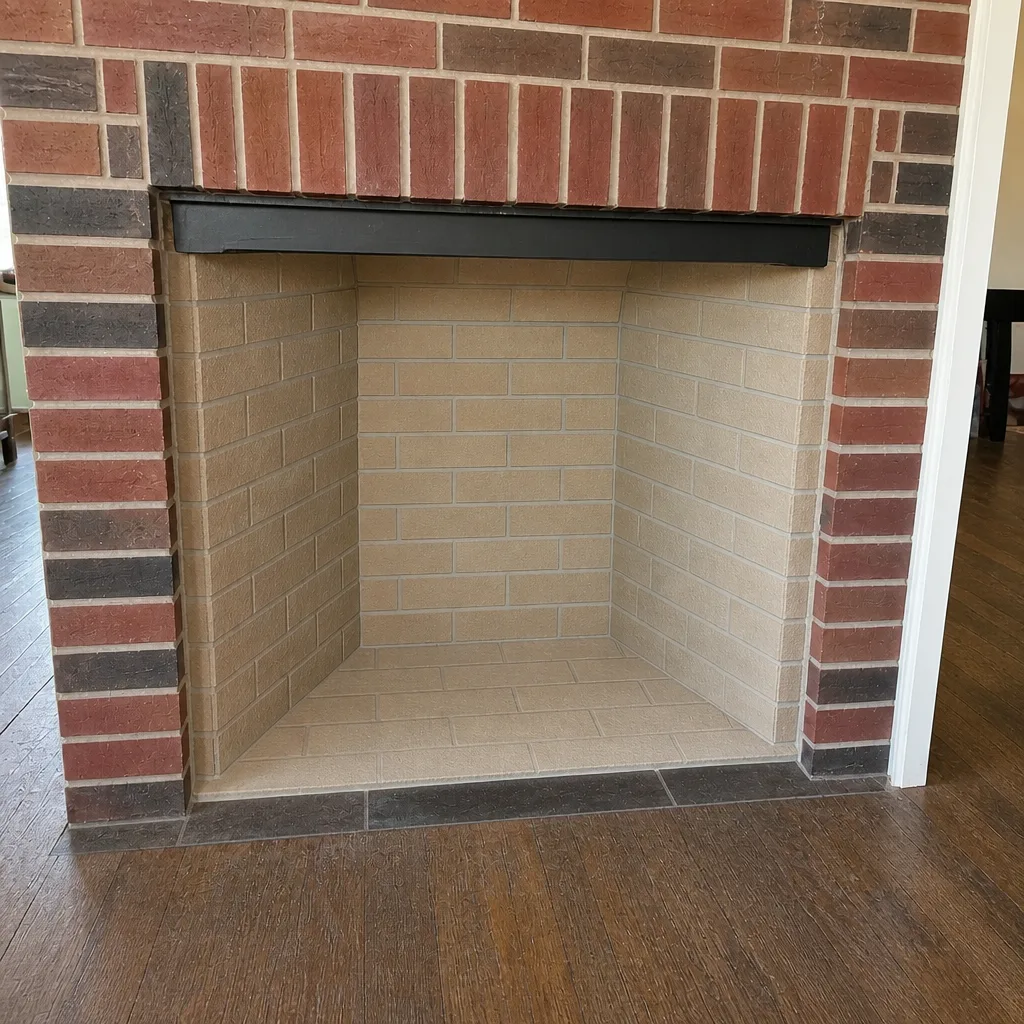
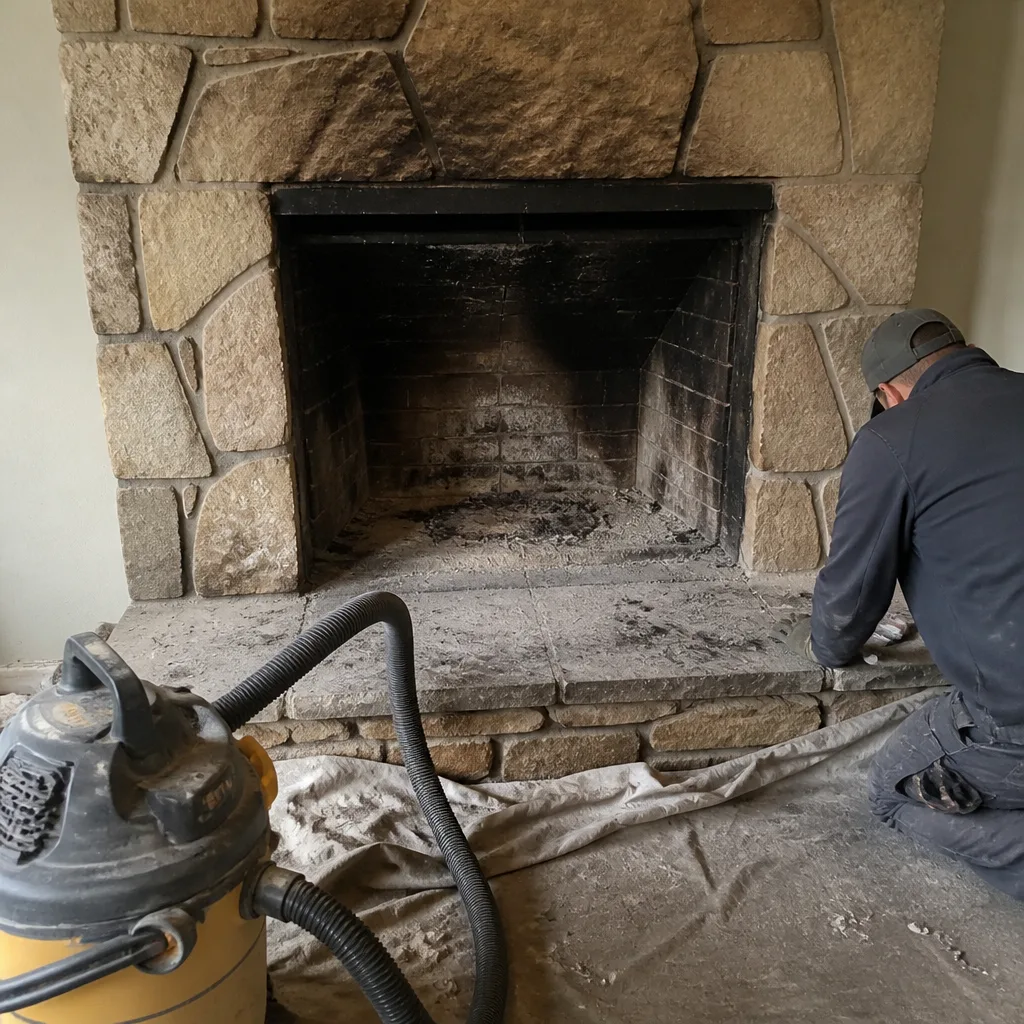
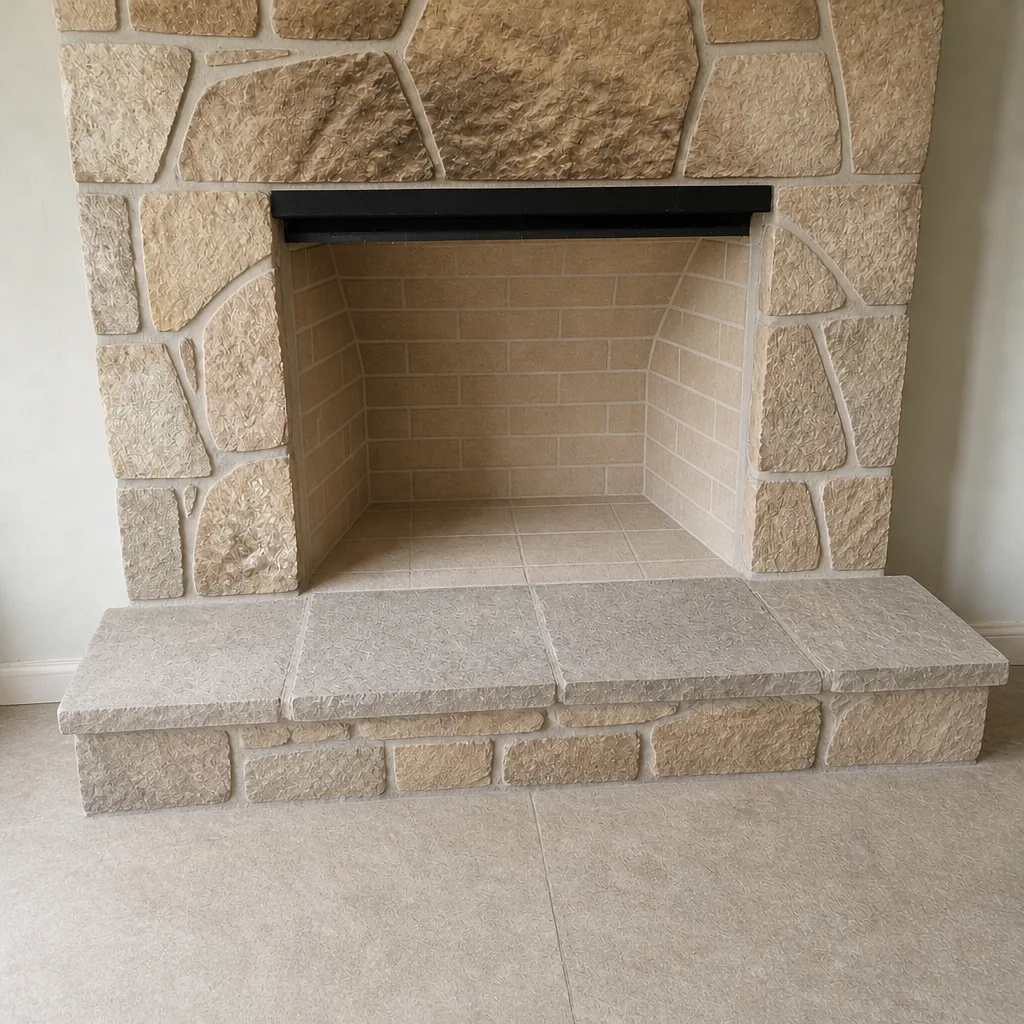
See the difference
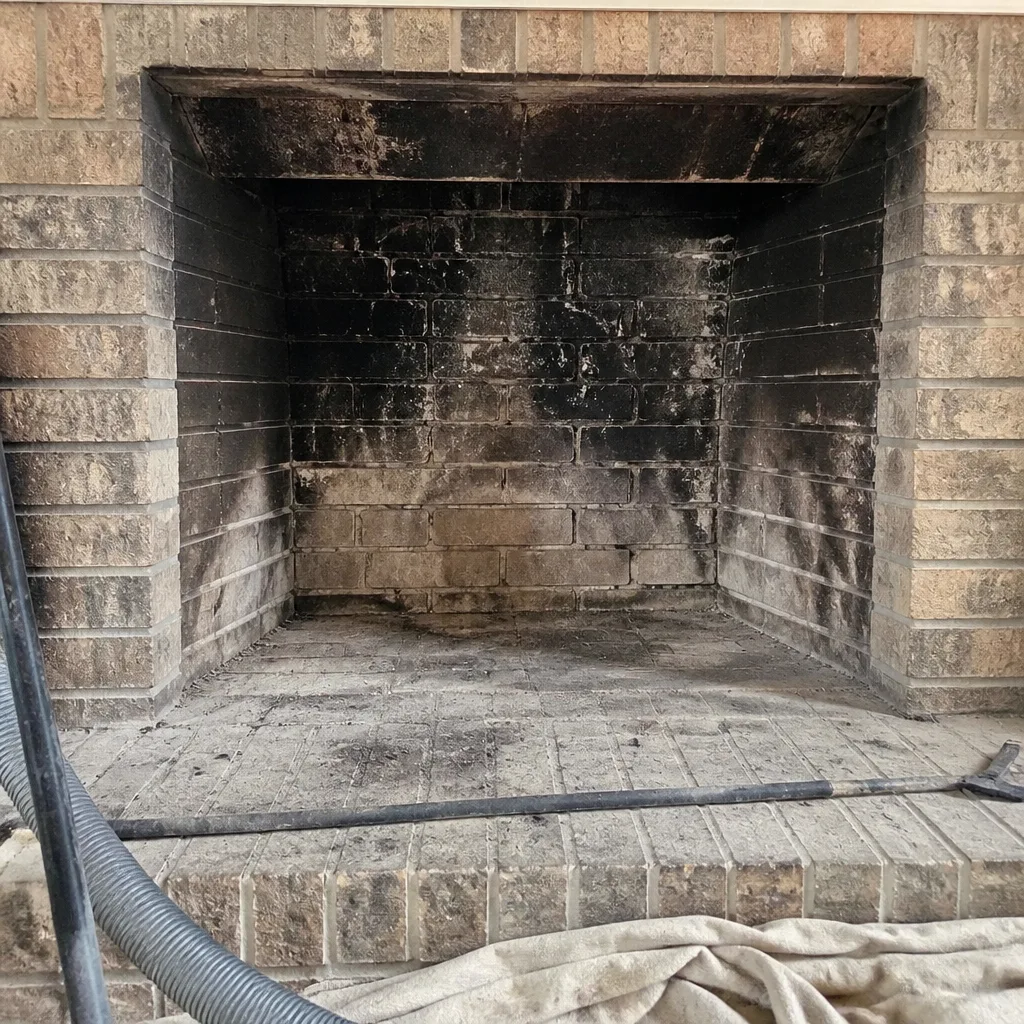 Before
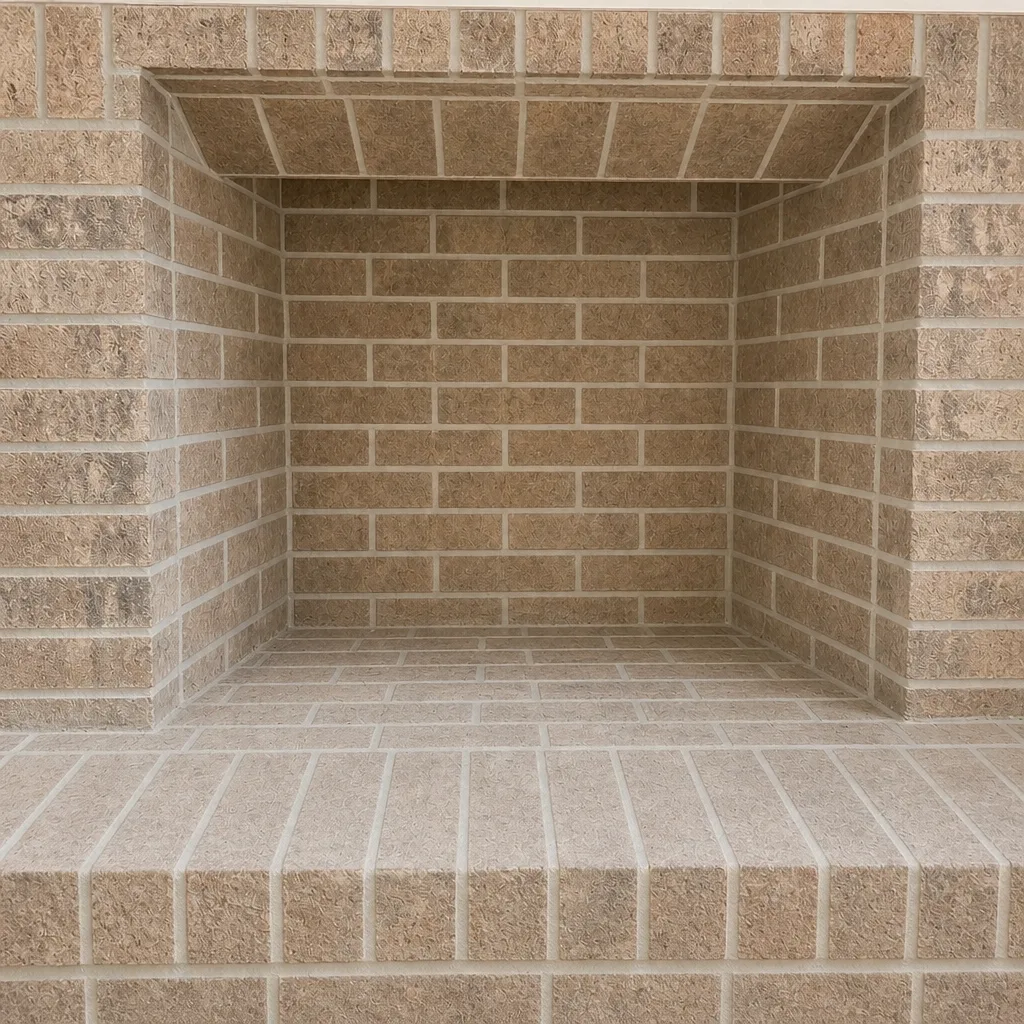 After
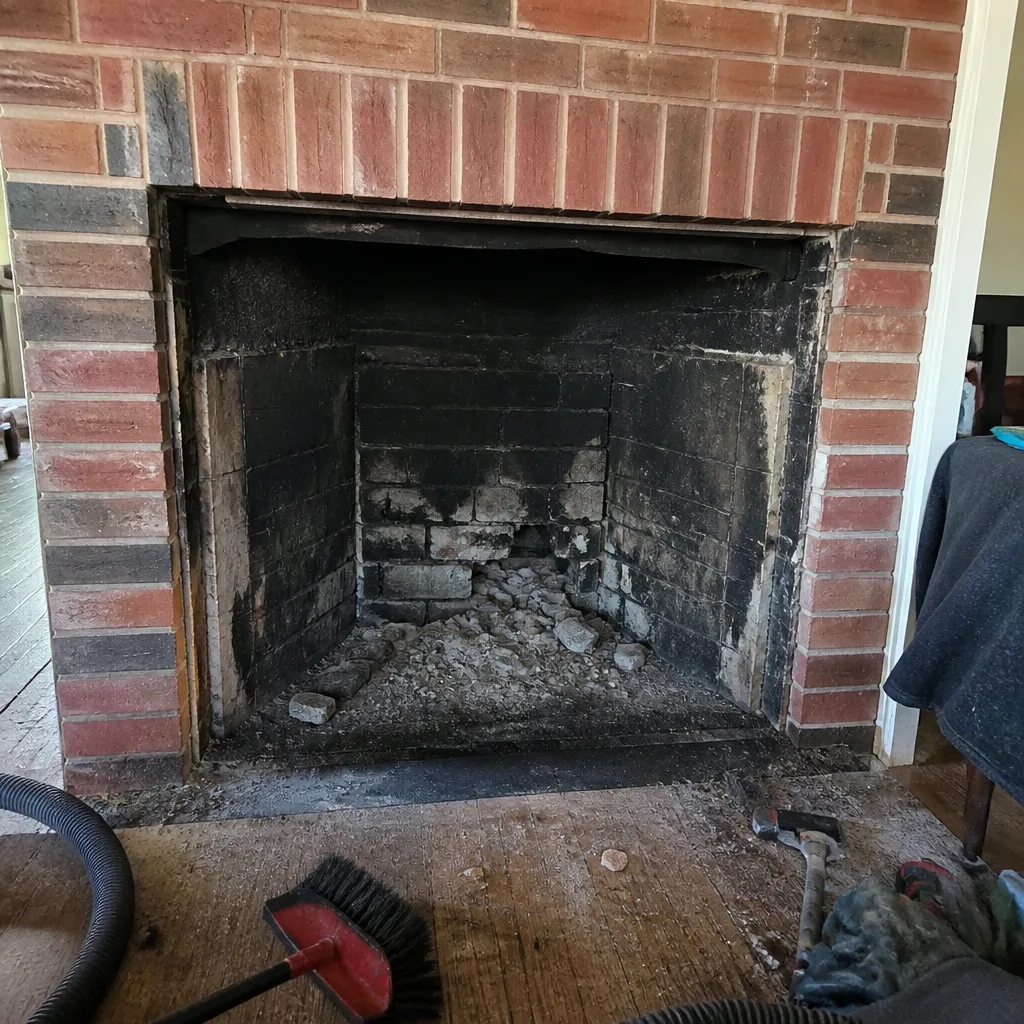 Before
 After
 Before
 After
When to Call a Professional
Call for a sweep at end of season if you burned wood at all, and for a pre-season inspection if you plan to use the fireplace this winter. Call sooner if you notice a strong, tarry smell in the fireplace area, if smoke rolls out of the fireplace into the room instead of going up the flue, if you can feel heat on the wall or mantel during a fire, or if you’ve had a chimney fire, however small. Call immediately if your carbon monoxide alarm sounds; that’s a safety situation that needs no waiting. If you’ve moved into a Broken Arrow home and don’t know when the chimney was last swept, treat it as overdue and get it inspected. Flagship Chimney Sweep offers free estimates in Broken Arrow and handles sweep, inspection, and repair under one company. Call (866) 389-4464. We answer 24/7. Fast dispatch from 7am to 7pm, Sunday through Friday.
Frequently Asked Questions
At least once a year if you burn wood, and twice a year if you’re a heavy user burning multiple cords or more than 50 fires per season. Gas appliances typically need only an annual inspection. Book a chimney sweep at end of season for the baseline cleaning, and add a mid-winter sweep if you’re a heavy burner. Call (866) 389-4464 for an exact quote. Estimates are free.
Skipping a year lets creosote move from the easier-to-remove Stage 1 into Stage 2, and in some cases Stage 3, while any crown or liner damage goes unchecked through Oklahoma’s freeze-thaw cycles in between. The short version is that the eventual cleanup gets more involved and the repair list gets longer. Call (866) 389-4464 to get on the schedule. Estimates are free.
Only when the camera evidence shows one is actually needed. A cracked clay flue, a liner that’s pulled away from the flue wall, or a flue that’s been compromised by repeated Stage 3 creosote are the usual reasons. If the inspection photos don’t show the problem, you shouldn’t be told to replace the liner. We won’t recommend anything without camera evidence you can see yourself. Call (866) 389-4464 for an inspection. Estimates are free.
You can safely do visual checks from the hearth, operate the damper, and remove cooled ash from the firebox. A full flue sweep needs the right brush for your flue type, containment to keep soot out of the room, and a camera inspection to see the whole flue, which a brush alone won’t do. If you see glazed or tar-like deposits up the flue, that’s already beyond a homeowner brush job. Call (866) 389-4464. Estimates are free.
Yes, though not a full sweep. A gas appliance needs an annual inspection of the venting and connections, but the flue itself rarely calls for a sweep because gas combustion leaves far less residue than wood. Confirm the vent drawing properly and the appliance connections sound at least once a year. Call (866) 389-4464 to schedule the inspection. Estimates are free.
Yes. Every inspection includes a camera inspection and a photo report so you can see the condition of your flue for yourself. The point of the photos is that you shouldn’t have to take our word for what’s up there. When work is needed, the recommendation matches what’s in the report; when it can safely wait, we’ll say so. Call (866) 389-4464 for a chimney repair estimate. Estimates are free.
The Bottom Line
The once-a-year rule is a good floor, not a ceiling. A maintenance schedule built around your actual usage, fuel type, and system age is what keeps a chimney safe and keeps repair costs down. Sweep at end of season, inspect in early fall before the Broken Arrow pre-season window fills, and add a mid-winter sweep if you’re a heavy burner. Check the cap and crown every year. Watch creosote carefully; the higher the stage, the higher the eventual bill. Do the small homeowner tasks, and call a professional for anything inside the flue. We’re Flagship Chimney Sweep, and we handle sweep, inspection, and repair under one company, using DuraFlex, HeatShield, Gelco, Olympia Chimney, Famco, and Copperfield products. Our technicians have up to 8 years of experience, and no recommendation goes out the door without camera evidence to back it. Call (866) 389-4464 for a free estimate. We answer 24/7. Fast dispatch from 7am to 7pm, Sunday through Friday.
Written by the team at Flagship Chimney Sweep.