
Last updated November 15, 2026
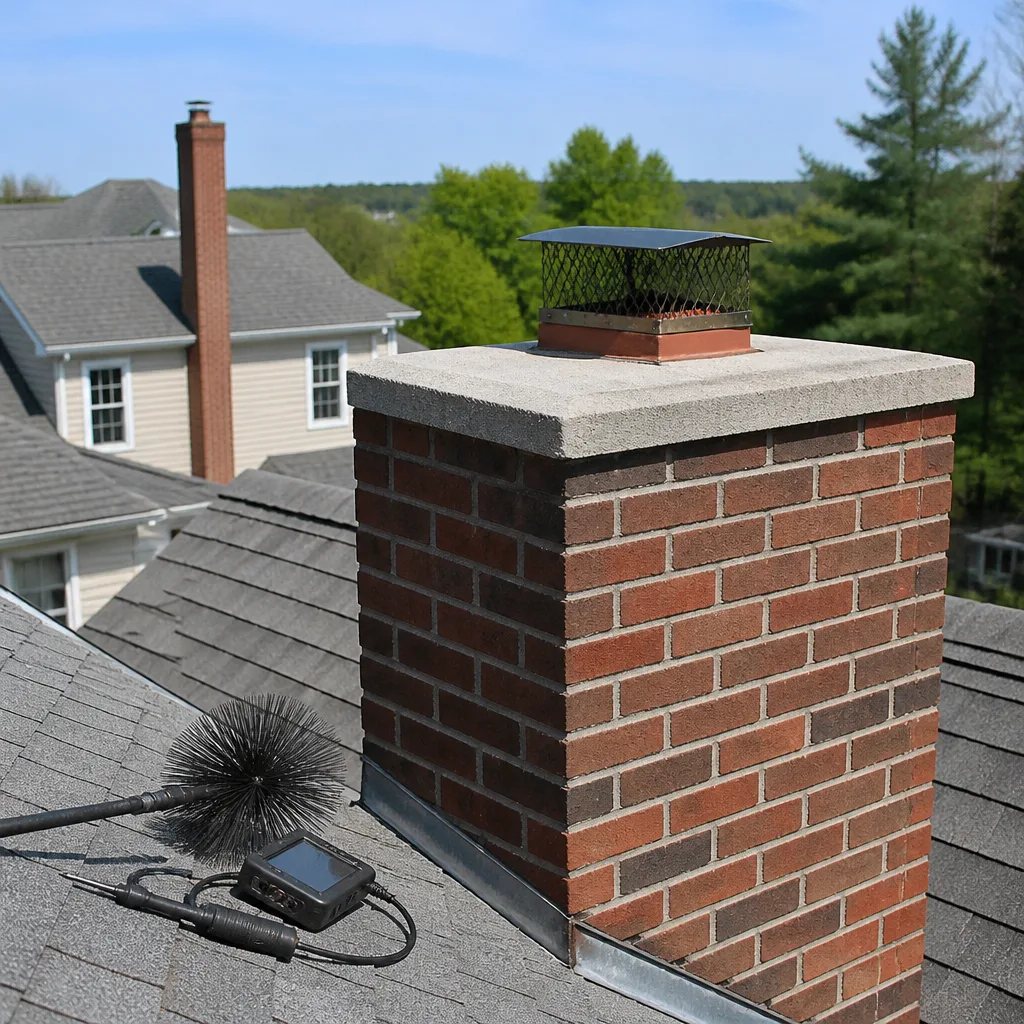 Sweep & inspection
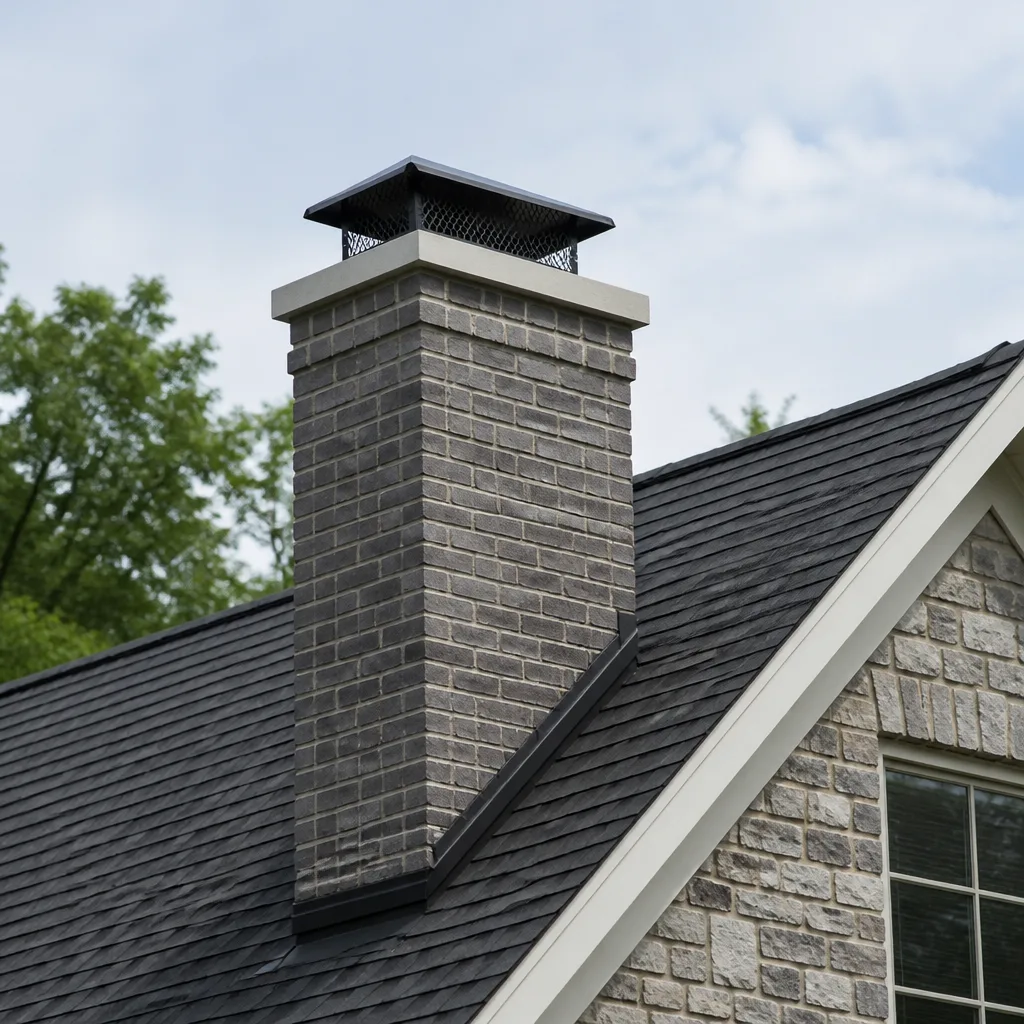 Caps & crowns
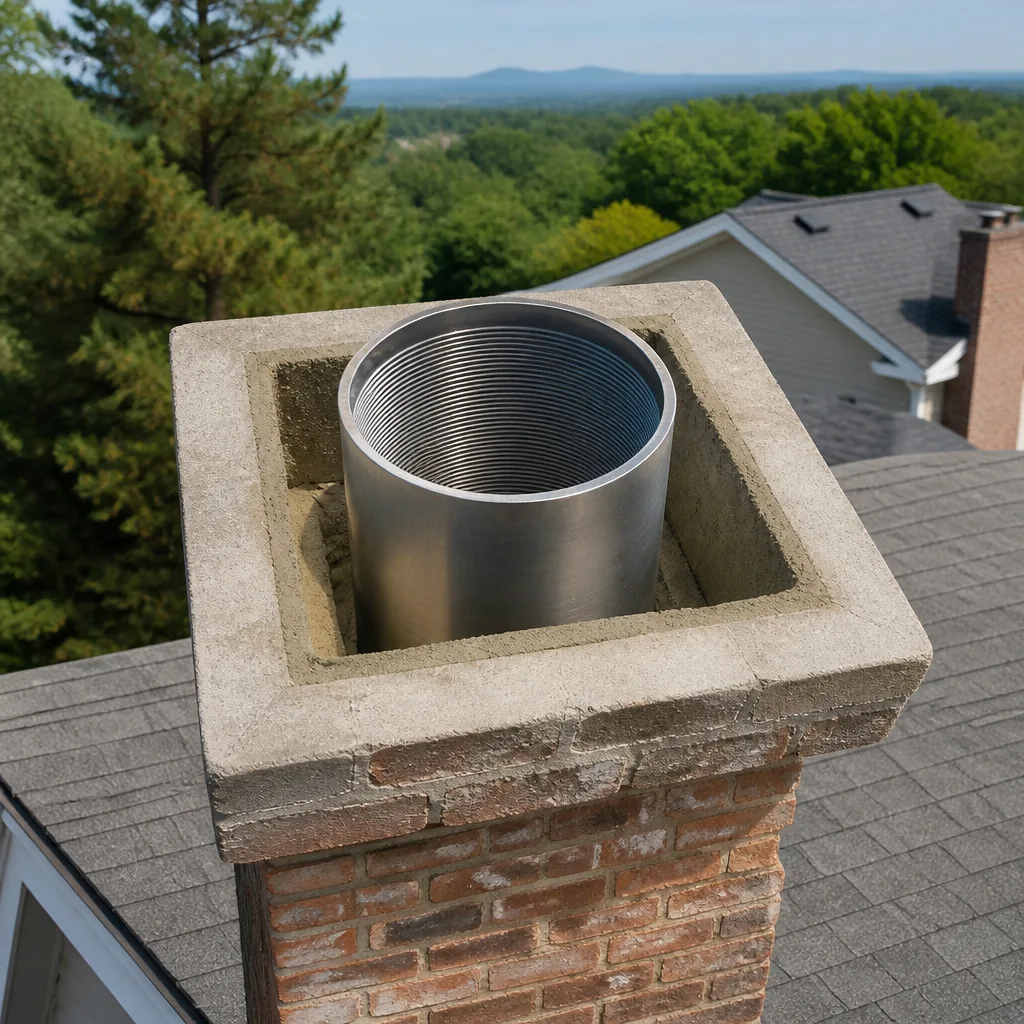 Flue relining
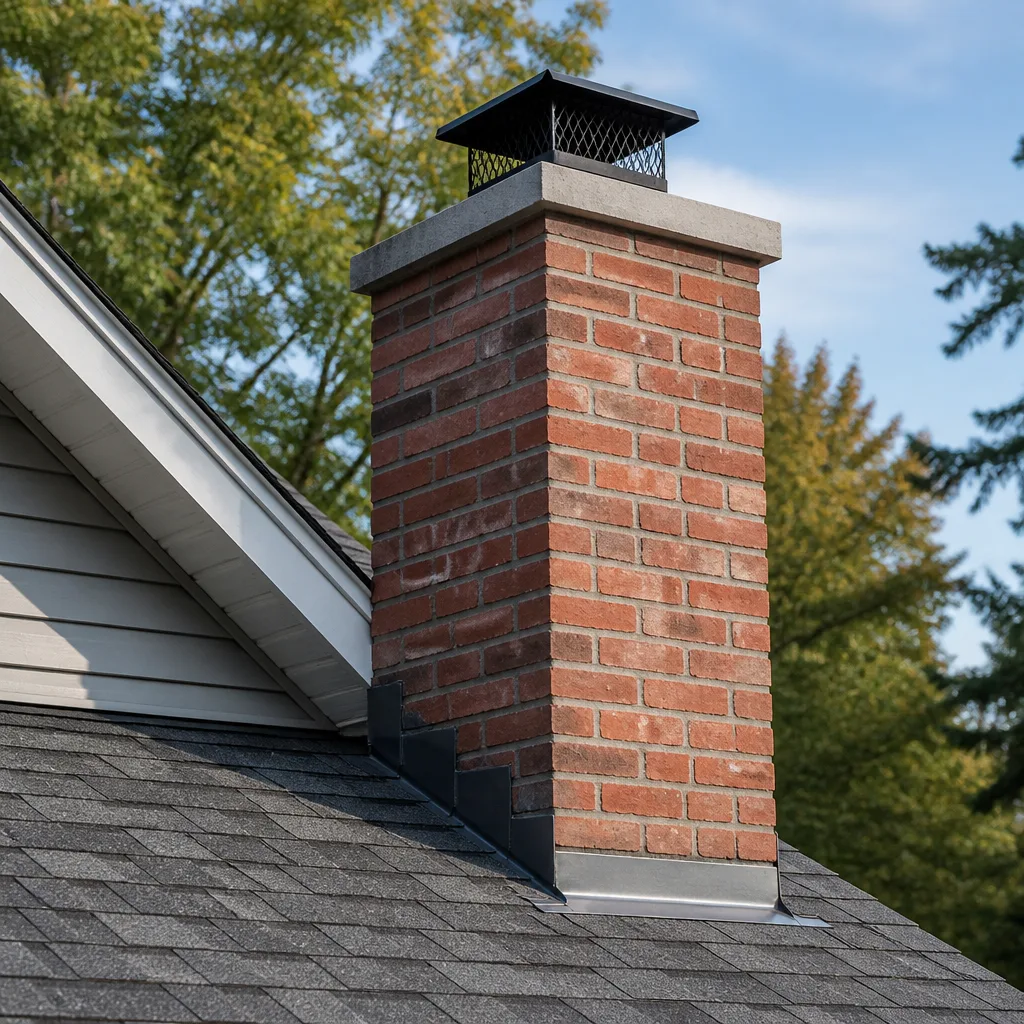 Masonry repair
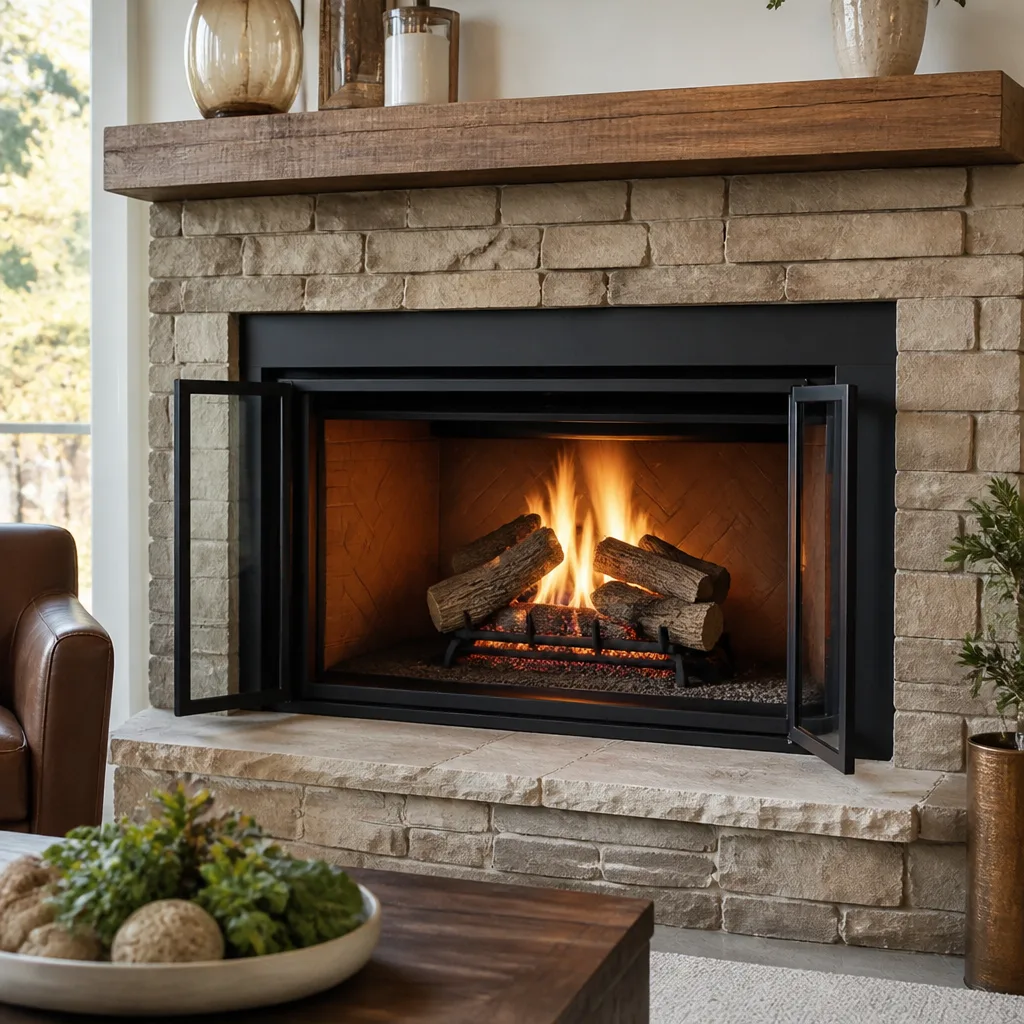 Gas fireplace service
Level 1 sweep and inspection to the NFPA 211 annual standard - flue, crown, cap, and flashing checked and photographed
Chimney sweep logs do not sweep chimneys. They loosen some creosote - which then falls where a brush and vacuum still have to collect it.
The Complete Guide to Chimney Cleaning in Broken Arrow
Most Broken Arrow homeowners treat chimney cleaning as a once-a-year checkbox. Book the sweep, hand over a card, forget about it until next fall. That habit misses the point. A chimney is a safety system, and a sweep is the one appointment where someone who knows what they’re looking at tells you whether that system is sound. Oklahoma ranks in the top 15 states for residential chimney fires, and the majority happen in homes where someone thought they were probably fine until they weren’t. What follows is a working guide: how Broken Arrow’s weather and firewood shape creosote, what the three inspection levels actually mean, and what a real sweep should look like from arrival to sign-off so you can tell whether you got your money’s worth.
Quick Answer
Chimney cleaning in Broken Arrow means removing creosote, soot, and blockages from the flue, then inspecting the chimney to confirm it’s safe to use. It’s annual maintenance for anyone burning wood, and it’s the only reliable way to find the cracked flue tile, failed joint, or heavy creosote glaze that leads to a chimney fire. A proper sweep includes an inspection and a report on what was found.
- Should be done: once a year for wood-burning fireplaces, or sooner if you burn heavily or notice problems
- What it involves: cleaning the flue, firebox, smoke chamber, and damper, plus a visual inspection
- What it should include: a report on creosote level and any defects found with photo or camera evidence
- Why it matters here: Broken Arrow’s burn habits and weather swings accelerate creosote in ways national averages don’t capture
Styles & brands we work with
- Sweep & inspection
- Caps & crowns
- Flue relining
- Masonry repair
- Gas fireplace service
Table of Contents
- Why Chimney Cleaning Matters More in Broken Arrow Than You’d Think
- How Broken Arrow’s Climate and Firewood Change Creosote Buildup
- Level 1, 2, and 3 Inspections: What Each One Is For
- Post Oak, Hickory, and the Wood You’re Actually Burning
- What a Full-Service Sweep Looks Like, Start to Finish
- How to Read Your Chimney’s Condition After a Sweep
- When to Schedule Cleaning in Broken Arrow
- Common Mistakes to Avoid
Why Chimney Cleaning Matters More in Broken Arrow Than You’d Think
The typical Broken Arrow chimney doesn’t get used the way a chimney in a colder climate does. It sits dormant through long, humid stretches, then gets worked hard during the first cold snap, then sits again. That cycle is harder on a chimney than steady cold-weather use, because moisture and residue have time to interact between burns. A chimney that heats up, cools down, and dampens repeatedly is a chimney where small defects turn into bigger ones.
Oklahoma’s place near the top of the national chimney fire rankings isn’t a coincidence. It comes from a few overlapping patterns we see across Broken Arrow homes:
- Seasonal, concentrated burn habits. Homeowners burn heavily for short stretches during cold fronts, which builds creosote fast, then stop entirely for months.
- Mixed fuel. Fireplaces that see occasional construction scrap, pallet wood, or unseasoned “free wood” alongside proper firewood get a dirtier burn.
- Aging flues. Many Broken Arrow homes have masonry chimneys of a certain vintage where flue tiles have started to crack and mortar joints have begun to fail.
- Storm damage. Ice storms and high winds are a regular Oklahoma feature, and both can crack crowns, loosen caps, and allow water into the flue.
None of this means your chimney is dangerous. It means the margin for skipping maintenance is thinner here than the national advice assumes. A sweep is how you check that margin.
How Broken Arrow’s Climate and Firewood Change Creosote Buildup
Creosote forms when wood smoke cools before it exits the chimney. The gases condense on the flue walls and leave behind a residue that starts as a light, flaky soot and can progress to a tar-like glaze that’s genuinely difficult to remove. National guidance generally assumes a colder, drier, steadier heating season. Broken Arrow doesn’t quite match that profile, and the differences matter.
Humidity swings and damp chimneys
Broken Arrow gets the humidity of northeast Oklahoma: humid summers, damp spring and fall, and occasional soaking rains between dry stretches. A masonry chimney absorbs moisture into the brick and mortar. When that moisture is present and a fire is started, the chimney has to dry out before it can draw properly, and during that drying period the smoke moves slower and cools faster. Slower smoke means more condensation. More condensation means faster Stage 2 creosote.
Ice storms and the slow leak
Ice storms are the other local factor. A chimney that takes on water through a cracked crown, a missing cap, or a failed flashing doesn’t announce the problem. It just quietly keeps moisture in the flue between burns. Over a couple of seasons, that moisture accelerates flue tile spalling and masonry deterioration. We’ve seen plenty of Broken Arrow chimneys where the visible creosote buildup was secondary to the water damage the homeowner didn’t know about. A cap and crown check belongs in every cleanup.
Red clay soil and foundation shifts
The red clay common in this part of Oklahoma expands when wet and shrinks when dry. Over years, that movement can shift a masonry chimney slightly relative to the house. When a chimney tilts, the flue can crack at the joints, and gaps open at the crown and where the chimney meets the roofline. It’s one reason Broken Arrow chimneys deserve a closer look at the joints and mortar during an annual inspection, not just the flue interior.
What this means for creosote stages
The industry measures creosote in three stages:
- Stage 1: light, flaky soot. Easy to brush off. This is what a well-maintained chimney should look like at the annual sweep.
- Stage 2: black, shiny, crusty deposits. Harder to remove, often requires a rotary brush or chemical treatment. A sign of cool, inefficient burns.
- Stage 3: glazed, tar-like creosote, often in thick layers. Highly flammable and genuinely difficult to remove. Requires specialized removal.
In Broken Arrow, a chimney that would hit Stage 1 in a drier climate with steady use can hit Stage 2 within a season if it’s burning unseasoned wood or drawing poorly. The stage of creosote isn’t a “how dirty is it” score. It’s a “how flammable is that buildup” score, and it should be part of what your technician tells you after every sweep.
Level 1, 2, and 3 Inspections: What Each One Is For
Not every inspection is the same depth, and home inspectors, real estate transactions, and chimney technicians all use slightly different language. Here’s the practical version. The chimney industry uses a three-level inspection framework (from the National Fire Protection Association’s chimney and venting standard, often abbreviated NFPA 211), and knowing which level applies to your situation tells you whether you’re getting the right scope of work.
Level 1 Inspection
A Level 1 is the visual, accessible check that should come with every annual sweep. It covers the firebox, damper, smoke chamber, visible flue, and the exterior chimney and cap. It’s done without tools that require opening or dismantling anything. If your chimney is in sound condition, you’ve been burning normally, and nothing has changed with your heating system since the last inspection, a Level 1 is usually all you need.
Level 2 Inspection
A Level 2 is required when something changes. That means a change in fuel type, a change in the appliance, a property sale or transfer, an earthquake or other event that may have damaged the chimney, or whenever a Level 1 finds something it can’t resolve visually. A Level 2 adds a video camera inspection of the flue interior and access to areas that a Level 1 can’t reach, including attic and crawl spaces where the chimney passes through. It’s the inspection that actually catches cracked flue tiles, failed joints, and hidden gaps.
Any chimney in a Broken Arrow home that’s being sold should get a Level 2. Same for any chimney where a Level 1 turns up a defect. The camera is the difference between a guess and evidence.
Level 3 Inspection
A Level 3 is the rare case. It involves opening up parts of the chimney or surrounding structure to access areas that can’t be reached by any normal means, typically when a Level 2 has revealed a serious defect that can only be confirmed by getting to it directly. A Level 3 isn’t something you schedule “just because.” It’s a targeted diagnostic when the situation calls for it.
- Every annual sweep: Level 1, included with cleaning
- Sale, transfer, system change, or Level 1 finding a defect: Level 2 with camera
- Serious defect requiring opening the structure: Level 3, targeted
If a technician is offering you thousands of dollars of repairs after a Level 1 alone, without pulling a camera, ask why. If the answer isn’t a clear level upgrade, that’s a signal.
Post Oak, Hickory, and the Wood You’re Actually Burning
Oklahoma has good hardwood. The firewood that shows up most in Broken Arrow driveways is post oak, hickory, and various mixed “oak” sold by the cord. Post oak and hickory are dense, high-BTU woods, and that’s usually a good thing: more heat, longer burn, less wood consumed. But they’re also the woods that produce more Stage 2 creosote when they’re not fully seasoned.
The problem isn’t the wood. It’s the moisture content. A dense hardwood that’s still holding 25 to 30 percent moisture burns cooler than its labeled BTU rating, because the fire spends energy driving off water vapor instead of heating the flue. Cooler flue gases mean more condensation, and condensation is what hardens into the shiny black crust. Post oak is worse for this than softer wood, because it burns hot when dry but can’t be rushed.
- Season your wood for a year before burning. Stacked, covered on top, open on the sides, off the ground.
- Split larger pieces small if you’re unsure. Split wood dries faster and more evenly.
- Test before you burn. A moisture meter on a freshly split face tells you whether you’re at 20 percent or lower. If it reads higher, wait.
- Don’t mix in construction lumber, pallets, or painted wood. These burn hot and unpredictable, and they leave residues you don’t want in your flue.
Avoid the temptation to burn “whatever’s dry enough” during a cold snap. That’s when most creosote problems start. Burning wet dense hardwood during the first hard freeze is the recipe for rapid Stage 2 accumulation.
What a Full-Service Sweep Looks Like, Start to Finish
Chimney sweeps are an old trade, and the quality gap between a real sweep and a quick brush-and-go is significant. Here’s what a proper full-service sweep should include, so you can tell whether the technician you hired actually cared about the job or just ran a brush up the flue and took your money.
Arrival and setup
- Walk-through and questions. What do you burn, how often, what’s the furnace vented through, how long since the last sweep, what have you noticed. A technician who skips this is already cutting corners.
- Protective setup. Drop cloths, a sealed vacuum connection to the firebox, and a barrier around the work area. Without this, ash ends up on your living room floor.
- Exterior check first. Crown, cap, flashing, and visible masonry, checked before going up on the roof.
Cleaning the firebox and flue
- Firebox and damper. Debris and ash removed from the firebox floor; damper tested to make sure it opens, closes, and seals.
- Flue brushing. A properly sized brush run the length of the flue, top to bottom or bottom to top depending on the flue and setup. Stubborn Stage 2 or Stage 3 creosote needs a rotary brush or chemical treatment, not a quick pass.
- Smoke chamber. The sloped area above the damper where creosote accumulates. Many cut-rate sweeps skip this; it’s one of the most important surfaces to clean.
- Airflow check. Draft tested after cleaning. Smoke shouldn’t spill into the room when the chimney is warm.
Post-sweep reporting
- Visual observation with photos. The creosote level, flue condition, and any defects found, shown to you, not just described.
- Camera inspection if indicated. A Level 2 with a camera if anything wasn’t fully visible during cleaning.
- Recommendations with a written report. What needs attention now, what can wait, and what the actual recommended fix is with a written estimate.
The whole visit on a standard home should be 45 to 90 minutes. If a technician is done in 20 minutes, ask them what they actually cleaned. If they hand you a repair quote without photos or camera evidence, ask them where the evidence is.
How to Read Your Chimney’s Condition After a Sweep
“Clean” doesn’t just mean “no more visible soot.” It means the chimney is in a state where you can safely light a fire, and there’s a real difference between a chimney that’s clean and a chimney that’s clean and sound. After a sweep, a genuine technician should be able to tell you about all of these:
- Creosote stage: Stage 1, 2, or 3, and what it means for how often you should burn and how soon to sweep again.
- Flue condition: Any cracked tiles, failed joints, or missing mortar, especially visible in the camera.
- Damper operation: Does it open and close freely, and does it seal properly when closed?
- Smoke chamber: Any pitting, spalling, or Stage 2 deposits that need chemical treatment.
- Crown and cap: Cracks, gaps, or missing components that let water in.
- Exterior masonry: Spalled brick, loose mortar, or movement consistent with the clay soil shifts you find across Broken Arrow.
- Draft and ventilation: Whether the chimney draws the way it should, or whether something has changed with the house’s pressure balance.
What a technician should flag: any Stage 2 or Stage 3 creosote, any flue defect visible on camera, any water intrusion evidence, any draft issue. What a technician can usually defer: minor cosmetic soot on exterior brick, small crown hairline cracks that aren’t yet admitting water, minor firebox blemishes that don’t affect function.
Ask directly: “What do you recommend I do now, and what can safely wait?” A good answer distinguishes between the two. A hard sell on everything is a red flag. If a technician recommends thousands of dollars in liner or masonry work, ask to see the camera footage or photos on the spot. Our approach is that nothing gets recommended without evidence you can see for yourself, and we’ll tell you plainly when work can wait.
If a repair does turn out to be the right call, the same team that inspected the chimney should be able to handle the fix. Our chimney repair work runs from relining with DuraFlex stainless liners to resurfacing with HeatShield, and it’s in-house rather than subcontracted. That means the technician diagnosing the problem is the technician fixing it. No second appointment, no handoff, no stranger.
When to Schedule Cleaning in Broken Arrow
The best time to schedule a chimney sweep in Broken Arrow is before the first hard freeze, not after. September and October tend to be the calm window: the chimney has been dormant all year, there’s time to fix anything that turns up before burning season, and you’re not fighting for an appointment during the first cold snap. Booking in late summer or early fall also gives you time to schedule a repair if the inspection finds one, without pushing you into burning season with a known issue unresolved.
The other trigger is any of these situations:
- You just moved into a Broken Arrow home. You don’t know its chimney history. Get a sweep and a Level 2 before you burn.
- You’re putting a home on the market. Sellers and buyers both benefit from a documented chimney condition. A camera inspection is standard.
- You’ve changed your heating system. A new insert, a new appliance, or a conversion from wood to gas all mean a Level 2.
- You’ve had a chimney fire, even a small one. Even a brief chimney fire can damage flue tiles that look fine from the outside. Don’t burn again until it’s inspected.
- You’re not sure when it was last swept. That’s the answer. Get it swept.
Skip the temptation to sweep “when we notice something.” You won’t notice a cracked flue tile or a Stage 2 glaze until it causes a problem. The whole point of a sweep is to look before you burn. Schedule a chimney sweep at the start of the season, not after a scare.
Common Mistakes to Avoid
- Treating the sweep as an annual checkbox. It’s not a tune-up routine; it’s a safety inspection that determines what’s actually safe to burn. If your technician can’t tell you the creosote stage and flue condition after a sweep, you didn’t get a sweep.
- Burning unseasoned or mixed fuel in Broken Arrow. Post oak and hickory are great woods, but not if they’re still at 25 percent moisture. Seasoned firewood takes a year to prepare. Mixed pallet and construction scrap accelerates creosote buildup fast in Oklahoma’s humidity swings.
- Skipping the camera inspection on a Level 1. A Level 1 is a visual inspection of what’s accessible. Cracks in the flue tile and failed joints require a camera. If you’re selling, buying, or changing systems, ask for a Level 2 explicitly.
- Ignoring the crown and cap because the chimney interior looks fine. Water intrusion from a cracked crown or missing cap is one of the fastest ways to wreck a masonry chimney in Oklahoma. It’s the slow leak you don’t notice until the damage is expensive.
- Accepting a repair estimate without evidence. Photos and camera footage should be part of the conversation. If a technician is quoting liner or masonry work with no visible evidence, get a second opinion.
- Burning shortly after a chimney fire without an inspection. A chimney fire, even a brief one, can leave the flue in a condition that isn’t safe to burn again. Have it inspected before the next fire.
- Waiting until the first cold snap to book a sweep. Everyone in Broken Arrow schedules at the same time. Book in late summer or early fall, before the rush.
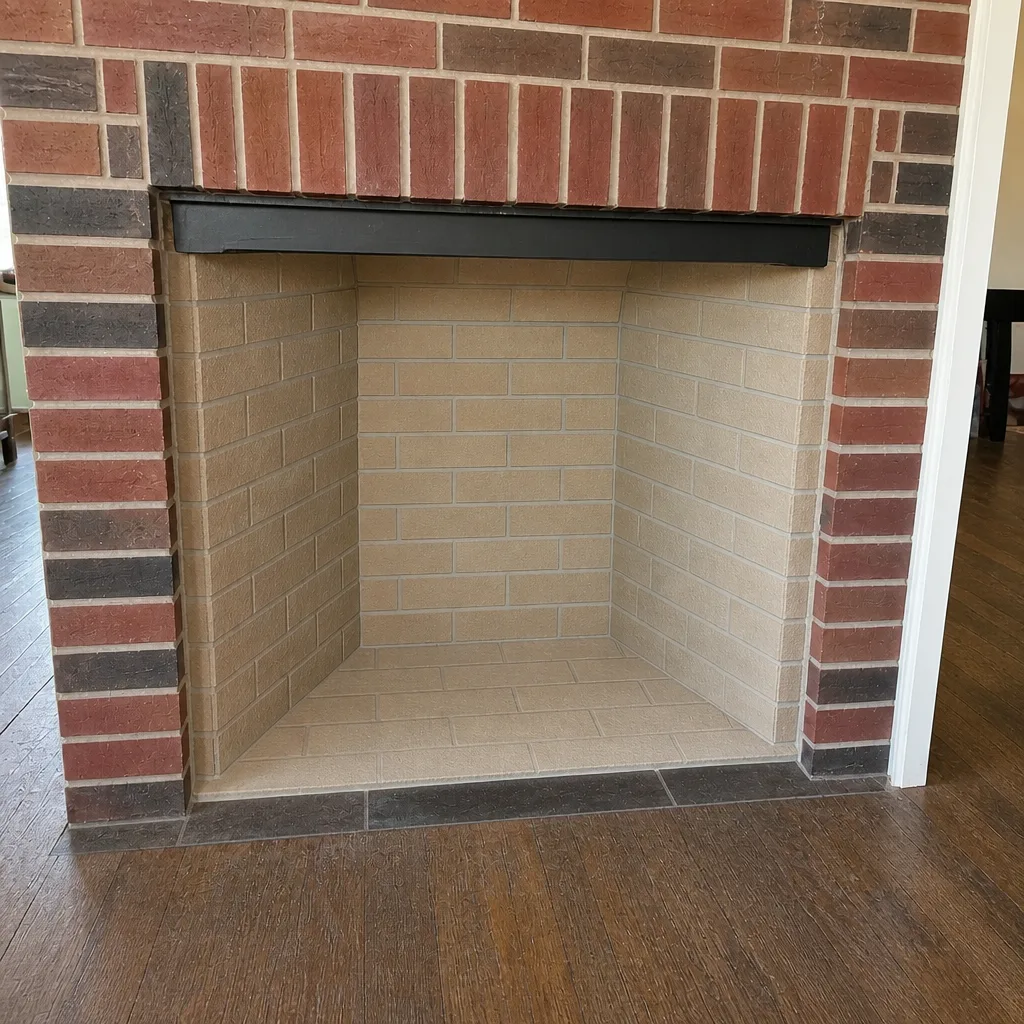
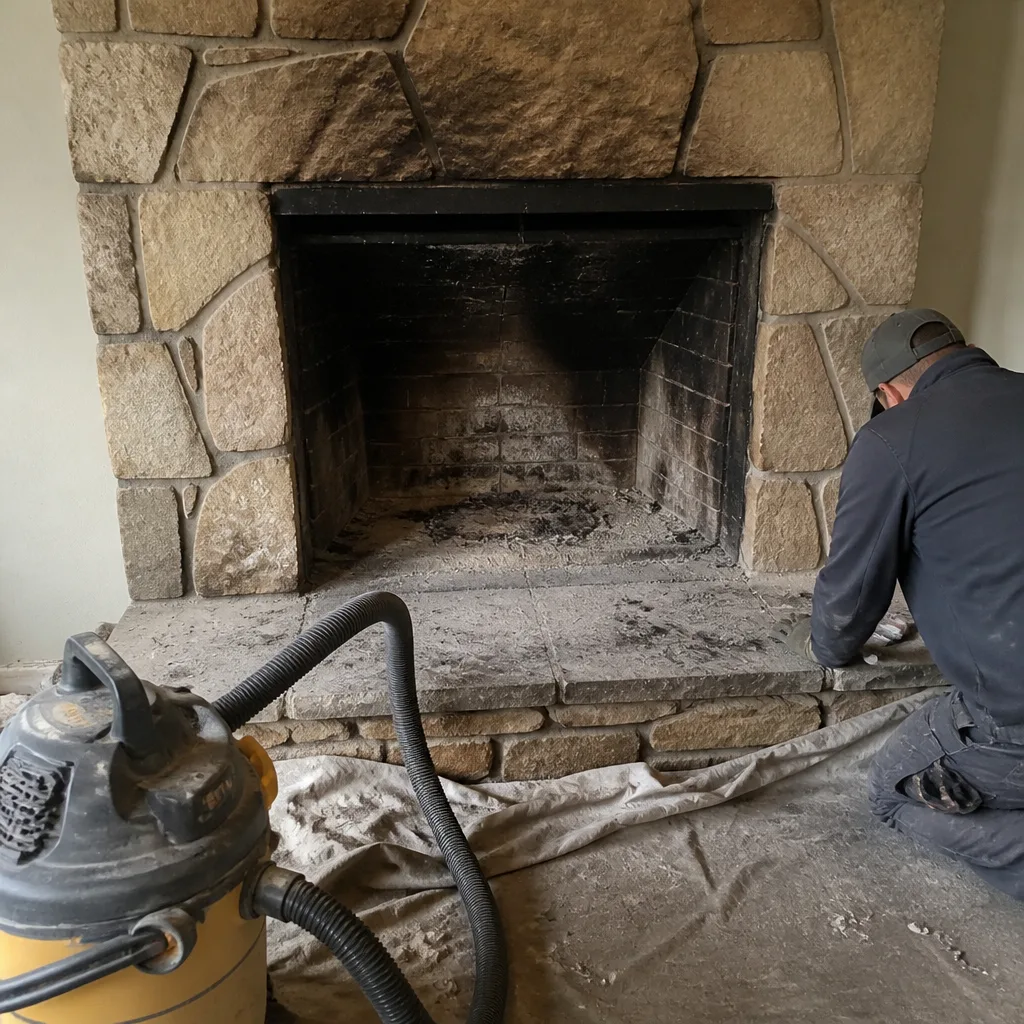
See the difference
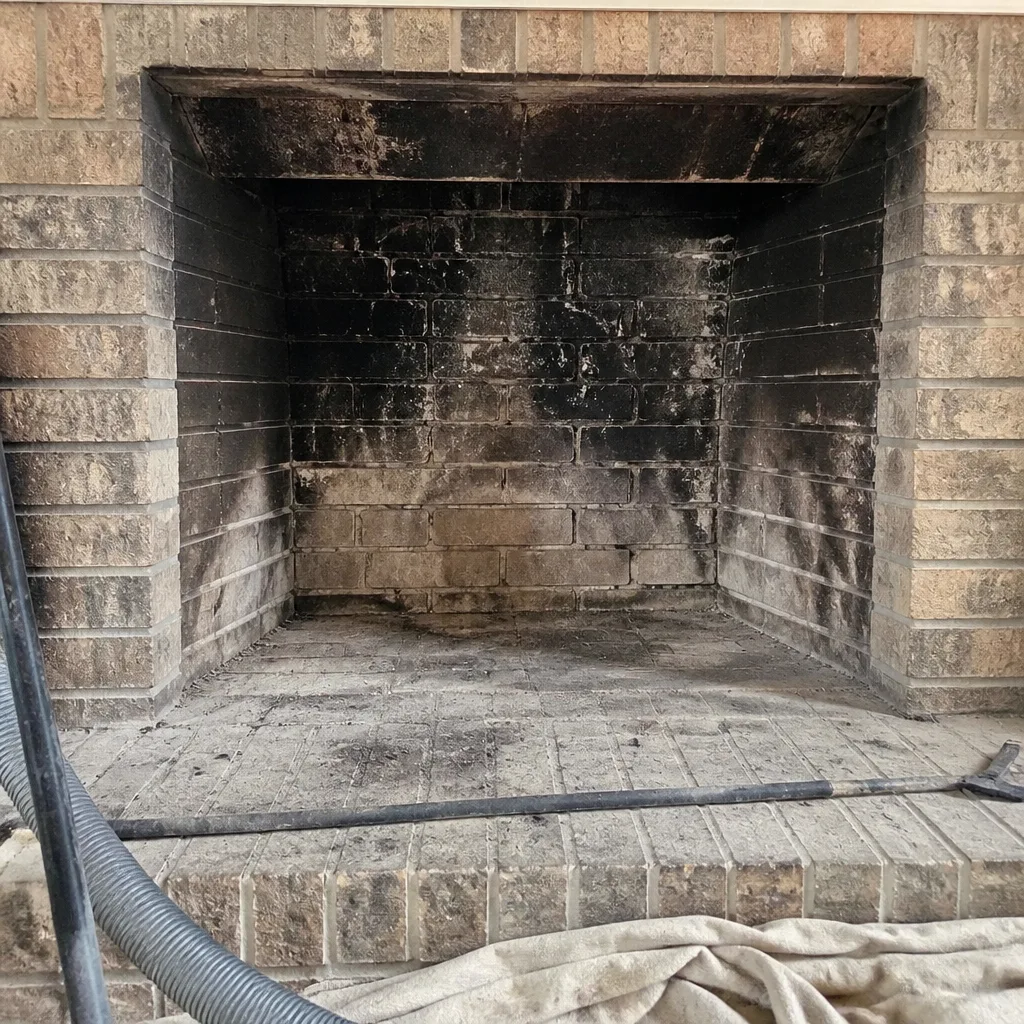 Before
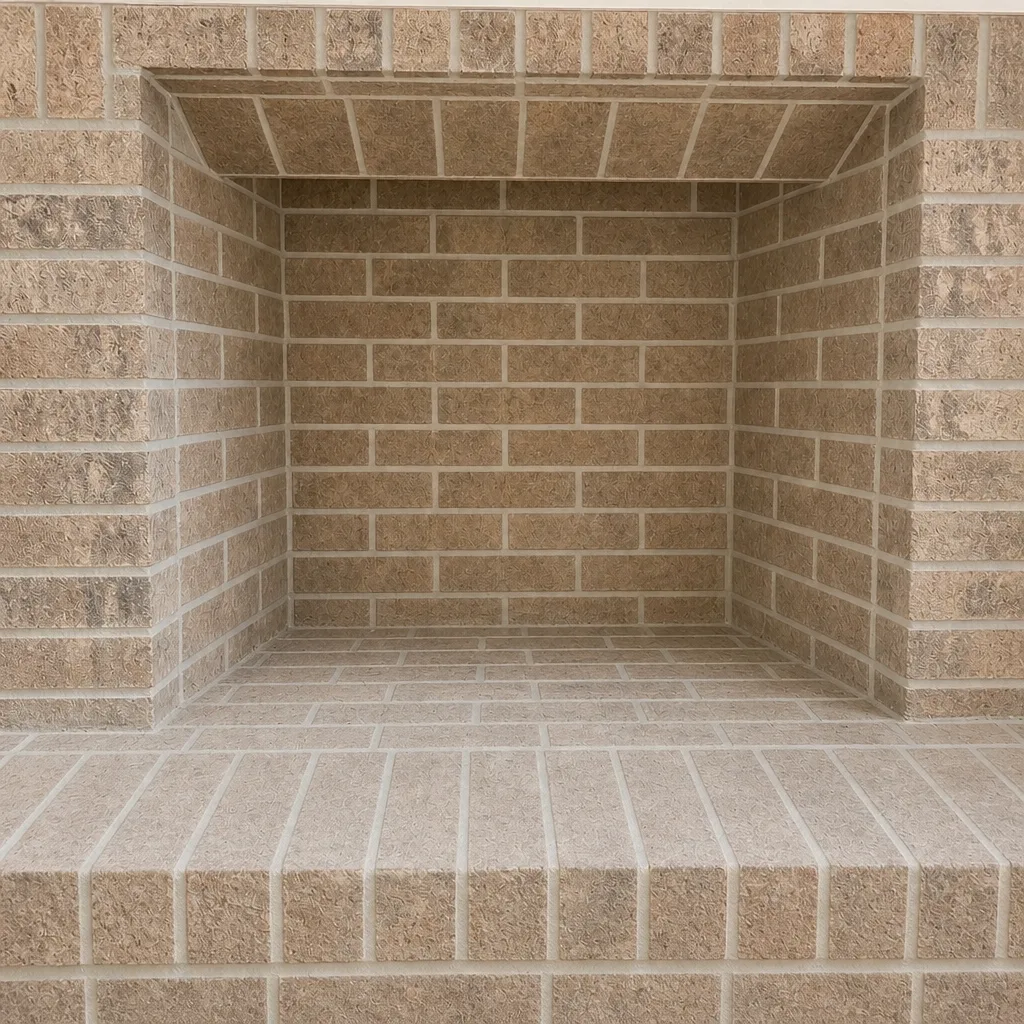 After
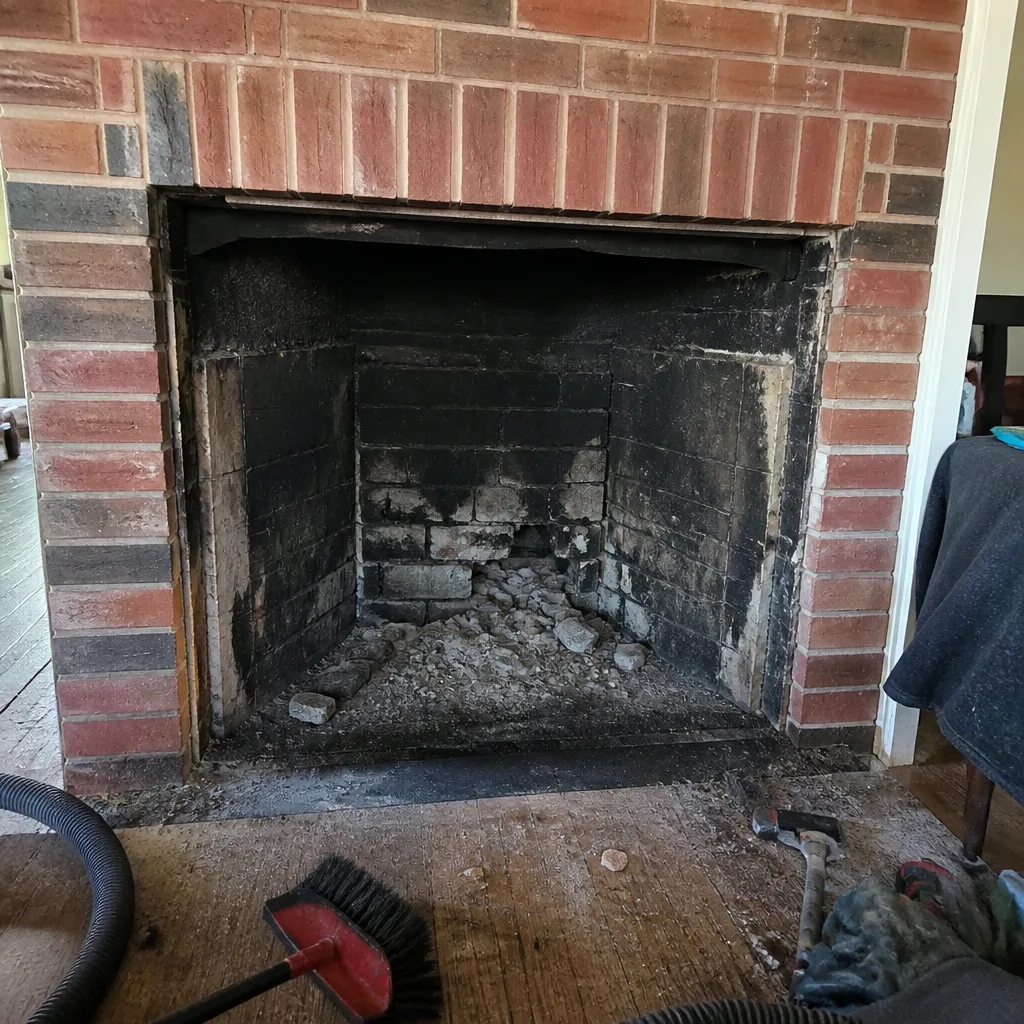 Before
 After
 Before
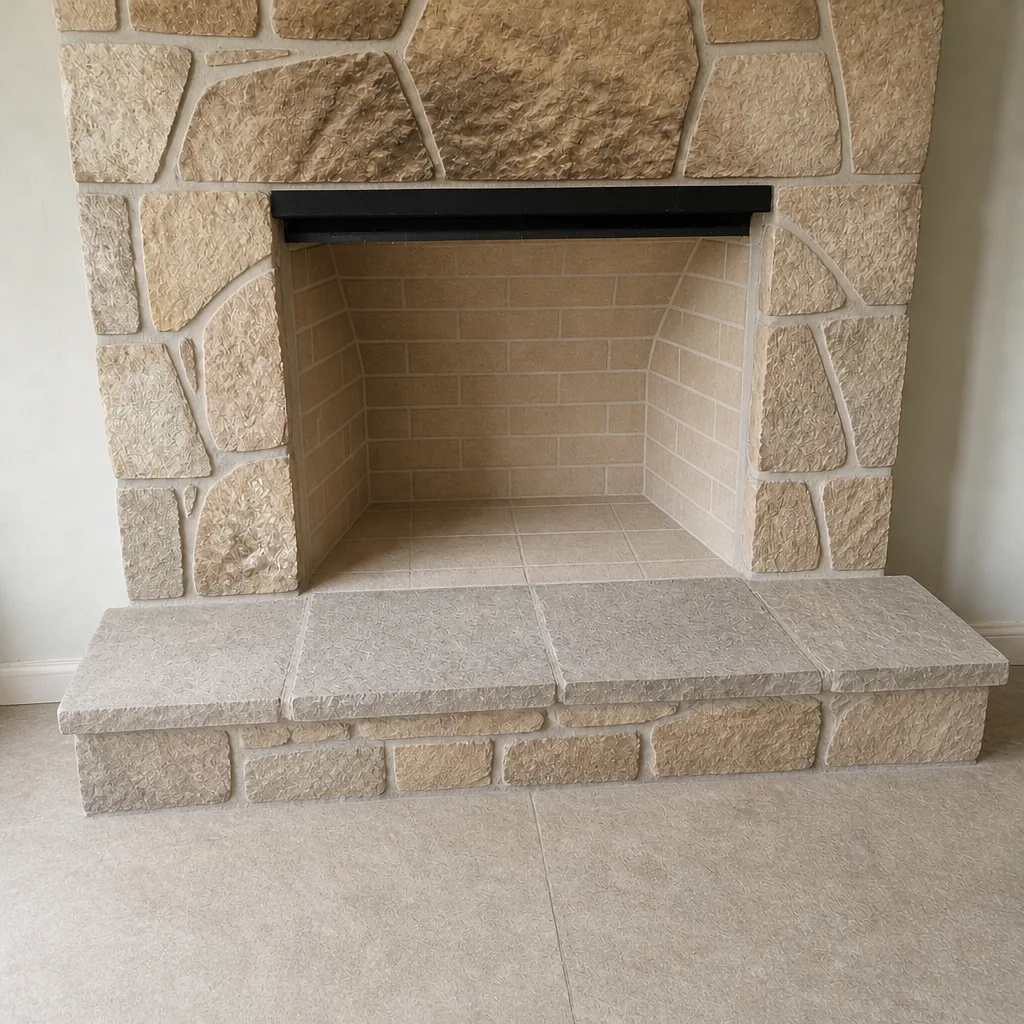 After
When to Call a Professional
Some chimney problems can wait for the annual sweep. Others shouldn’t. Call a professional right away if any of these apply:
- You smell smoke in the house when the fireplace isn’t in use, or the fireplace smokes back into the room when burning.
- You’ve had a chimney fire, even a small one, or you’ve noticed unusual roaring, popping, or a hot smell coming from the chimney.
- You’ve noticed cracked or missing bricks, spalling, or visible movement in the chimney structure.
- Your carbon monoxide detector has alarmed, or you or family members notice headaches, dizziness, or unusual fatigue after burning.
- You’ve just bought a Broken Arrow home and don’t know its chimney history.
Our technicians have up to 8 years of experience, and our approach is simple: we inspect it, we fix it, no runaround. We don’t recommend work without evidence you can see for yourself, and we tell you when work can wait. Flagship Chimney Sweep offers free estimates in Broken Arrow. Call (866) 389-4464. We answer 24/7. Fast dispatch from 7am to 7pm, Sunday through Friday. Closed Saturday.
Frequently Asked Questions
A standard chimney sweep in Broken Arrow typically runs $150 to $250 for a straightforward cleaning of a wood-burning fireplace, and more when the scope includes a camera inspection or heavy creosote removal. The written estimate sets the final price. Call (866) 389-4464 for an exact quote. Estimates are free.
Yes, especially in Oklahoma. Ice storms, humidity swings, and the region’s red clay soil are hard on a masonry chimney’s exterior, and a cracked crown or missing cap is one of the most common ways water gets into a flue. Water intrusion accelerates creosote problems and damages masonry quietly, so the exterior check belongs with every annual sweep. Call (866) 389-4464 for an exact quote. Estimates are free.
Once a year for most households that burn wood regularly, and more often if you burn frequently, burn unseasoned wood, or have a chimney that’s drawn poorly. A chimney that sees only occasional fires might stretch to 18 months, but the annual inspection is still worth doing because defects don’t announce themselves. Call (866) 389-4464 for an exact quote. Estimates are free.
Creosote accumulates and hardens in the flue, and once it reaches Stage 2 or Stage 3 it’s more flammable and harder to remove. The chimney can also develop a hidden flue crack or a water intrusion problem without any visible symptom, which is how most chimney fires in Oklahoma start. Skipping the sweep doesn’t mean nothing is happening; it means you don’t know what’s happening. Call (866) 389-4464 for an exact quote. Estimates are free.
A standard sweep (with a Level 1 inspection) covers most routine situations. A Level 2 with a camera is the right call whenever a home is being sold or bought, when you’ve changed fuel type or heating appliance, after a chimney fire, or whenever a Level 1 has turned up a defect that can’t be resolved visually. If you’re unsure, ask the technician which level applies and why. Call (866) 389-4464 for an exact quote. Estimates are free.
The cleaning itself can be done with the right brushes and the right setup, but the inspection portion is where the real value lies and where DIY falls short. A cracked flue tile, a Stage 2 creosote glaze, or a draft issue require judgment built on years of looking at chimneys, and a rushed inspection can miss the thing that matters most. Safety-wise, getting on a roof to check the crown and cap is a risk worth handing to someone with the right equipment. Call (866) 389-4464 for an exact quote. Estimates are free.
A sweep is the cleaning; an inspection is the condition assessment. In practice they should always happen together, because cleaning is how you get a clear look at a chimney’s actual condition. An inspection without a sweep leaves creosote in the way; a sweep without an inspection leaves you with a clean chimney and no idea whether it’s safe. Call (866) 389-4464 for an exact quote. Estimates are free.
The Bottom Line
Chimney cleaning in Broken Arrow is not just a routine errand; it’s the annual checkpoint where you find out whether your chimney is safe to burn. Oklahoma’s humidity swings, ice storms, and the region’s clay soil make the inspection portion of the sweep as important as the cleaning portion, and the firewood most households burn (dense post oak and hickory) is exactly the wood most capable of producing Stage 2 creosote when it isn’t fully seasoned. Sweep before the first cold snap, ask for the creosote stage and a photo or camera report, and treat any recommended repair as something you’re owed evidence for. If it can safely wait, we’ll say so.
Flagship Chimney Sweep handles the sweep, the inspection, and the repair under one company, using professional-grade materials from lines like DuraFlex, HeatShield, Gelco, and Olympia Chimney. We inspect it, we fix it, no runaround. Call (866) 389-4464 for a free estimate. We answer 24/7. Fast dispatch from 7am to 7pm, Sunday through Friday. Closed Saturday.
For more on our full range of services, visit Flagship Chimney Sweep or explore our Broken Arrow chimney service area.
Written by the team at Flagship Chimney Sweep.