
Last updated November 15, 2026
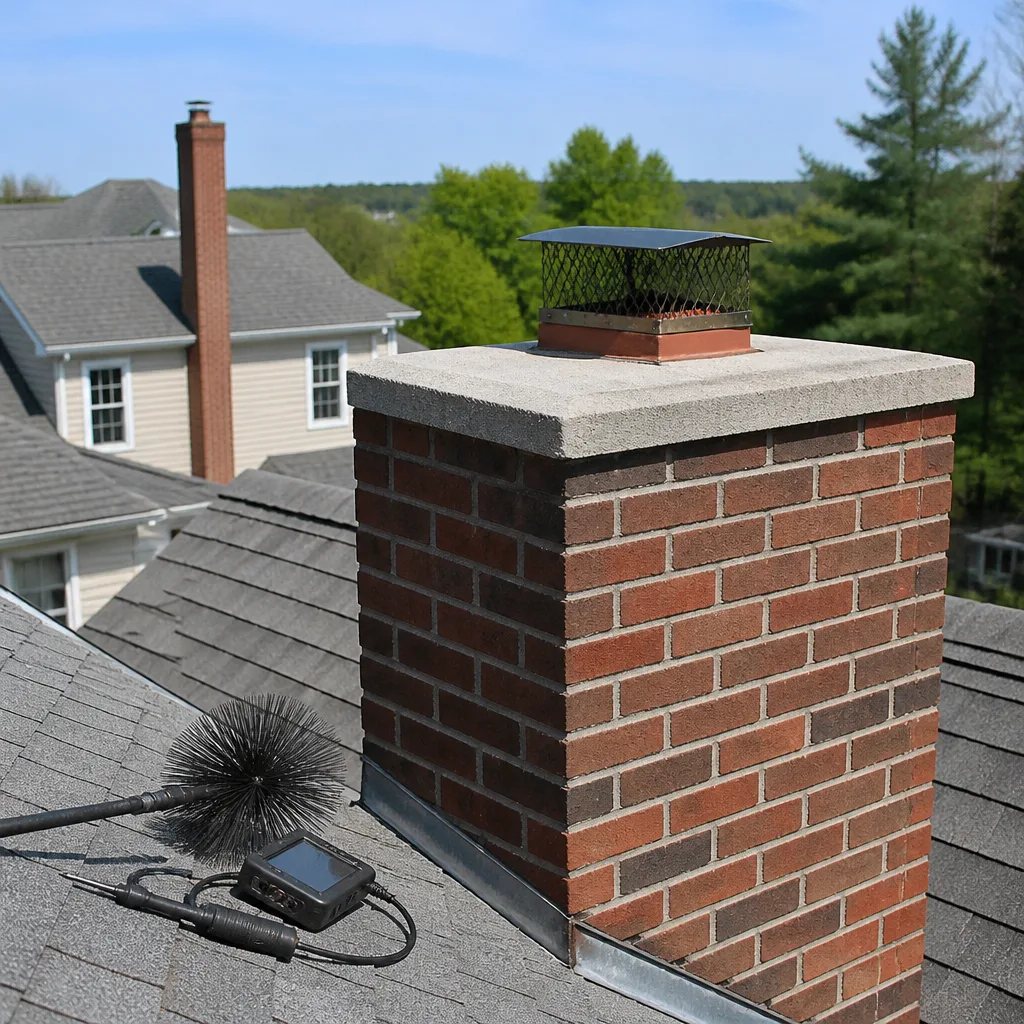 Sweep & inspection
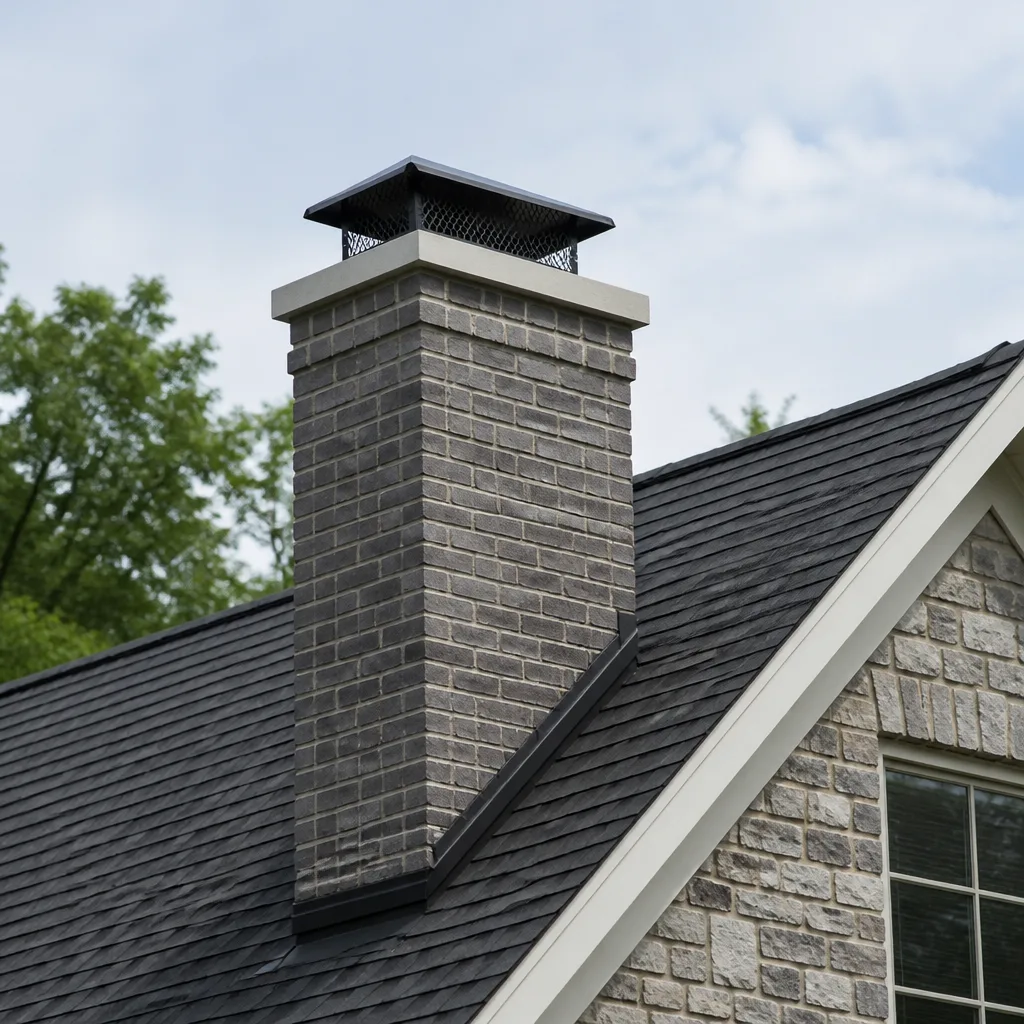 Caps & crowns
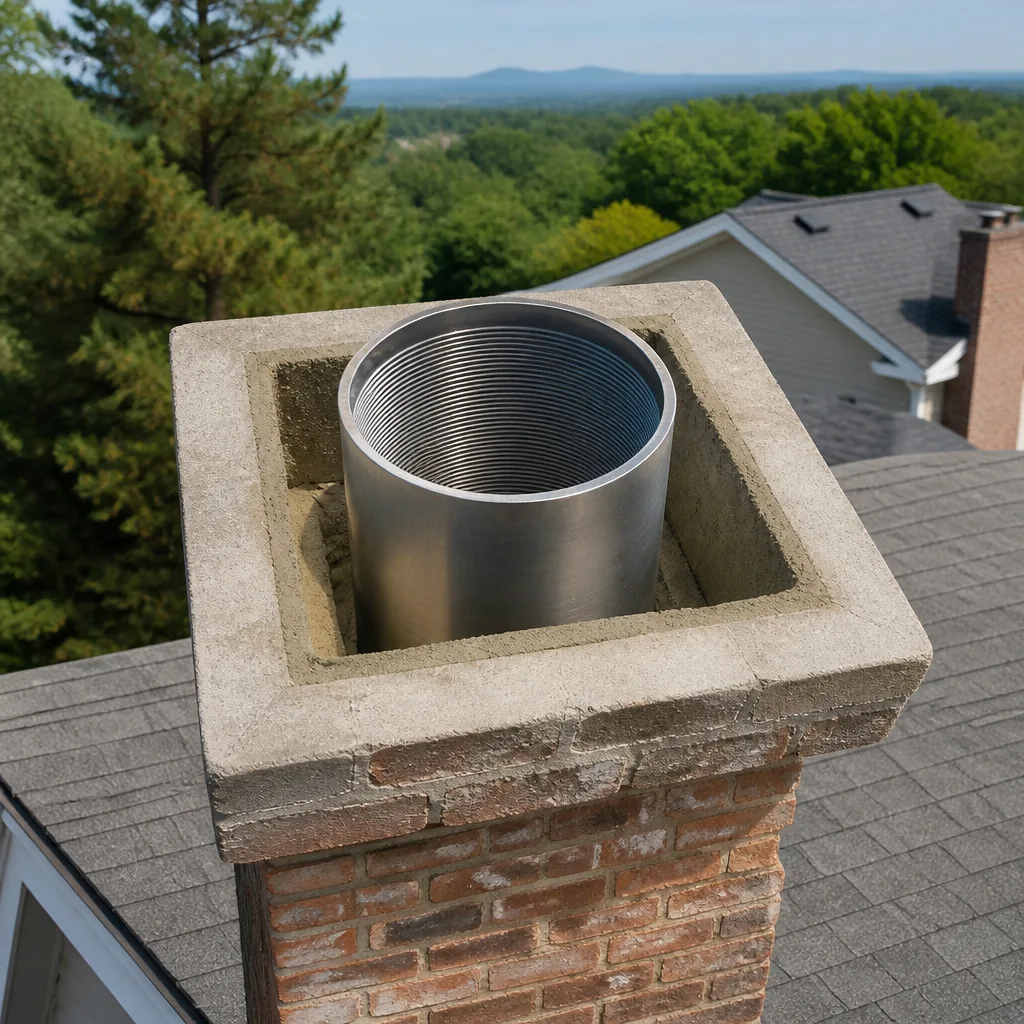 Flue relining
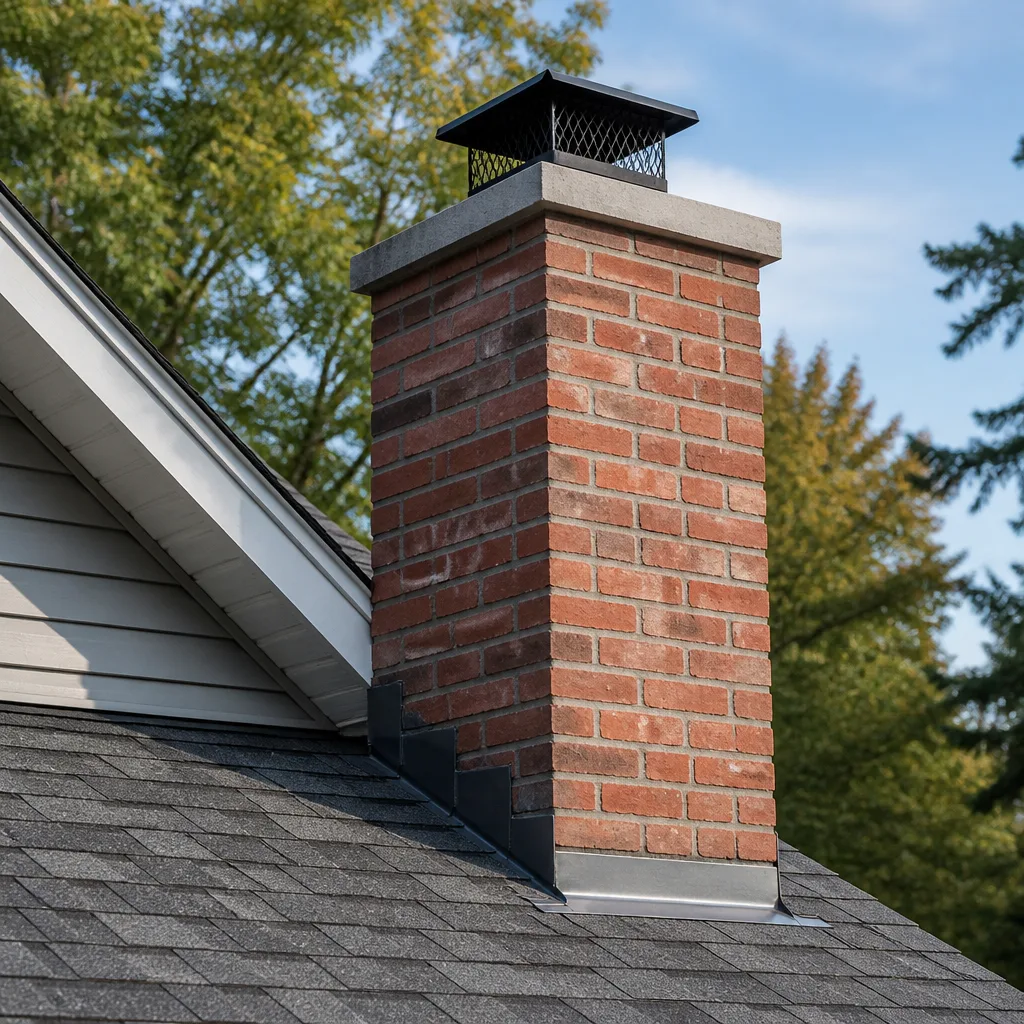 Masonry repair
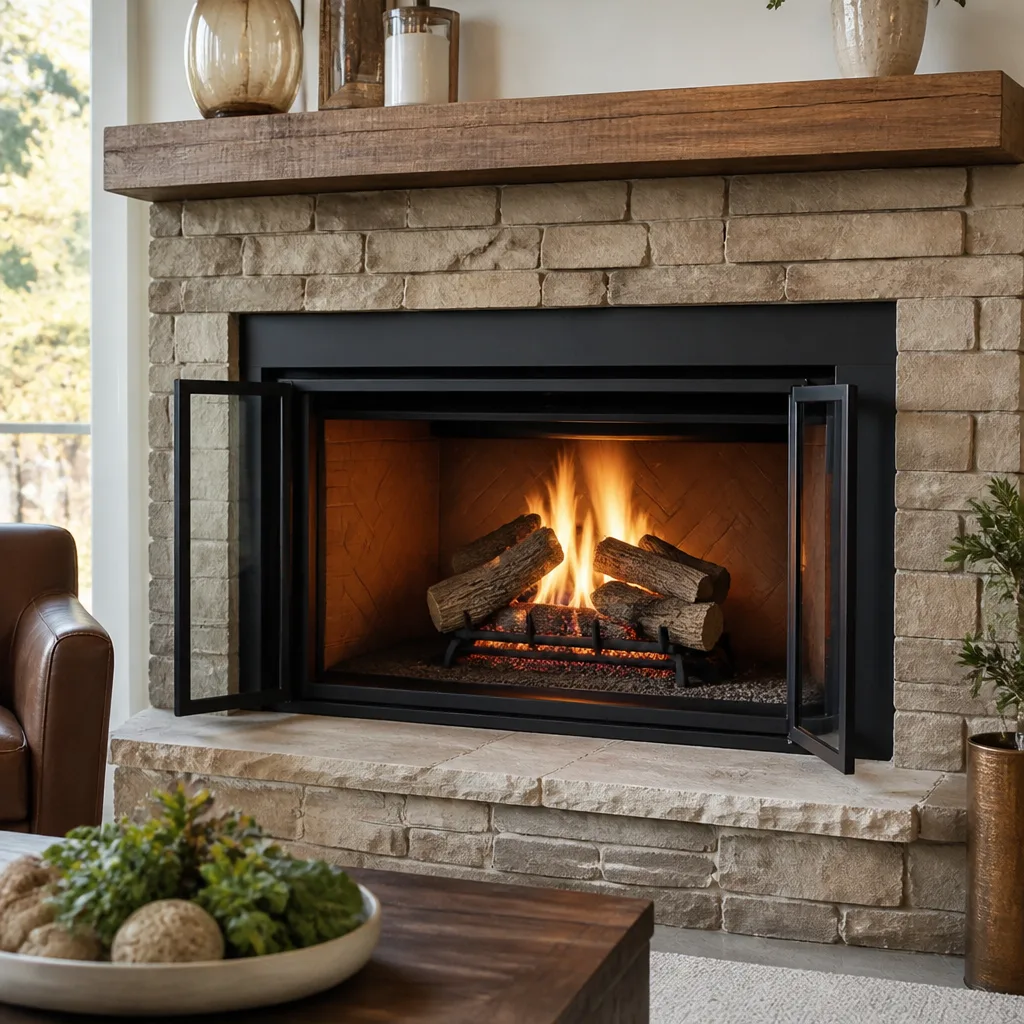 Gas fireplace service
Level 1 sweep and inspection to the NFPA 211 annual standard - flue, crown, cap, and flashing checked and photographed
Chimney sweep logs do not sweep chimneys. They loosen some creosote - which then falls where a brush and vacuum still have to collect it.
Choosing the Right Chimney Cleaning Brand: A Buyer’s Guide for Broken Arrow
The chimney cap your sweep installs today can outlast its own warranty if it’s the right material. If it isn’t, one Oklahoma ice storm can be the end of it. That’s the part most homeowners miss when they shop for chimney service: the company name on the truck matters far less than the materials that company puts inside and on top of your chimney. The liner alloy, the crown coating, the cap gauge, the sealant chemistry – these are what decide whether a repair lasts a decade or fails in three years. In this guide, we’ll walk through how to read a material spec sheet, which liner systems fit which Broken Arrow chimneys, and how to tell a spec-driven recommendation from a commission-driven one.
Quick Answer
The right chimney company in Broken Arrow is the one that names the specific materials it installs – liner brand and alloy, crown coating type, cap grade – and can tell you why those specs fit your chimney and your fuel type. Brand reputation matters, but material and installation standards are what actually protect your home. Ask for the spec before you authorize the work, and be skeptical of any quote that doesn’t include one.
Styles & brands we work with
- Sweep & inspection
- Caps & crowns
- Flue relining
- Masonry repair
- Gas fireplace service
Table of Contents
- Why the Materials Matter More Than the Company Name
- The Liner Material Decision: Stainless, Aluminum, or Cast-in-Place
- Sealants and Crown Coatings: Industry-Standard vs. Hardware-Store Shortcuts
- Chimney Cap Material Grades and How Oklahoma Climate Stress-Tests Them
- How to Read a Material Spec Sheet Before You Authorize Repair
- Why Supplier Relationships and Product Standards Matter
- A Numbered Checklist for Hiring in Broken Arrow
- Common Mistakes to Avoid
Why the Materials Matter More Than the Company Name
When you search for the best chimney cleaning company in Broken Arrow OK, the results look almost identical. Every page promises thorough sweeps, honest techs, and fair prices. None of that tells you whether the stainless liner they quote is the correct alloy for your firebox, or whether the crown coating they brush on will survive a summer of 100-degree heat followed by a January freeze. Company branding is easy to manufacture. Material specifications are not.
We’ve seen this play out on both sides of the equation. A sweep and inspection can be performed correctly and still be followed by a liner recommendation that uses the wrong grade of steel for a wood-burning appliance. The reverse is also true: a modest company installing professional-grade components will produce a chimney that outlasts the flashy competitor’s work by a wide margin. The chimney doesn’t remember the company name. It remembers the alloy, the gauge, the joint seal, and the crown bond.
The suppliers behind those components tell the story. Companies that work with recognized manufacturers like Gelco, Olympia Chimney, and Famco are buying from sources with published material specs and consistent quality control. That consistency is what keeps a cap on through an ice storm and a liner intact through years of creosote exposure. When you evaluate a Broken Arrow chimney company, spend less time reading their About page and more time reading their material disclosures.
This is also why chimney repair deserves scrutiny on the materials side, not just the labor side. The best installation crew in the world can’t save a job built on bargain components. Professional-grade materials on every job is not a slogan for us – it’s the only way a repair holds up.
The Liner Material Decision: Stainless, Aluminum, or Cast-in-Place
The liner is the single most consequential material choice in chimney work. It’s the flue surface that contains combustion gases, protects the masonry from moisture and heat, and vents the appliance safely. In Broken Arrow, we work with three fuel types – wood-burning fireplaces, gas appliances, and older masonry systems that may have never been relined – and each calls for a different approach. The liner material must match the fuel, the flue geometry, and the corrosion environment.
Stainless Steel Liners
Stainless steel is the standard for wood-burning appliances and most gas systems. It handles high flue temperatures, resists corrosion from acidic condensate, and comes in recognized grades and thicknesses. Companies that install DuraFlex liners are working with a product line built for this application and carrying a published spec you can review. The alloy and gauge matter: a lighter, lower-grade stainless won’t last as long in a wood-burning flue as the correct heavier specification.
Aluminum Liners
Aluminum liners have a place in certain low-temperature gas venting situations, where flue temperatures stay modest and corrosion exposure is limited. They are not appropriate for wood-burning fireplaces, where flue temperatures and creosote exposure will quickly degrade the material. A recommendation for aluminum on a wood-burning appliance is a red flag worth questioning before you sign.
Cast-in-Place Liners
Cast-in-place systems are poured or applied to resurface and reline the interior of an existing masonry flue. They can be a strong fit for older Broken Arrow masonry chimneys with damaged or deteriorated flue tiles where a stainless insert isn’t practical. The key question is the product line and the application thickness – cast-in-place work is only as good as the material and the installer’s technique.
In our experience, the most reliable way to make this call is to have the flue inspected properly first, then choose the liner material to match the findings. The sequence matters. Material first, then installation. Never the other way around.
Sealants and Crown Coatings: Industry-Standard vs. Hardware-Store Shortcuts
The crown is the concrete cap on top of the chimney, designed to shed water away from the masonry below. Crown failures are one of the most common sources of water intrusion we see on Broken Arrow chimneys, and the repair material choice determines whether the fix holds. A crown coating from the hardware store and a professional resurfacing product like HeatShield are not the same thing, even when they look similar going on.
Here’s what separates industry-standard sealants and crown coatings from the shortcuts:
- Published performance specs. Professional products carry documented adhesion, flexibility, and temperature ratings. A generic coating usually doesn’t.
- Flexibility through thermal cycling. Oklahoma swings from hot summer days to hard winter freezes. A crown coating needs to flex with the concrete, not crack when it moves.
- Correct surface preparation. Even a good product fails on a poorly prepped crown. Professional resurfacing includes proper cleaning and bonding steps.
- Warrantied material. A recognized product line stands behind the material. A bucket from the hardware store stands behind nothing.
- Application by a trained installer. The best coating in the world is only as good as the person who applies it to the correct thickness and cure schedule.
HeatShield resurfacing products are one example of what professional-grade means in practice: a product line designed specifically for chimney crown and flue resurfacing, with the material properties to handle real-world thermal stress. When a company recommends resurfacing, ask which product line they’ll use and why it fits your crown. “We use a good sealant” is not a material spec.
The same principle applies to joint sealants and flashing sealants. The cheap silicone from a big-box shelf may survive one season. A proper commercial-grade sealant specified for exterior masonry will hold up for years. This is the difference between built to last and built to get us back next season.
Chimney Cap Material Grades and How Oklahoma Climate Stress-Tests Them
Chimney caps take more abuse than most homeowners realize. They sit on the highest point of the roof, fully exposed to sun, rain, wind, hail, and the freeze-thaw cycles that define a Broken Arrow winter. The cap’s job is to keep water, animals, and debris out of the flue while letting exhaust gas escape. A cap that rusts through or blows off leaves your chimney open to the weather. The material grade you choose determines how long it does its job.
Galvanized Steel Caps
Galvanized caps are the least expensive option and the shortest-lived in Oklahoma conditions. The zinc coating that protects the steel degrades over repeated wet-dry cycles, and once it’s compromised, rust begins. These caps are usually what you find on cheaper builder-grade installs, and they’re often what fails first in a full-lifetime comparison.
Stainless Steel Caps
Stainless steel caps resist corrosion far better than galvanized. They handle the moisture and temperature swings of an Oklahoma year without the rust-through problem, and they’re the sensible upgrade for most homeowners who plan to stay in the house. Spec the grade and gauge, not just the word “stainless.”
Copper Caps
Copper caps are the long-life, premium option. Copper develops a natural patina over time and does not rust in the way steel does. The material is more expensive up front, but the cap’s lifespan and appearance both stand up to the climate over a long horizon. For homeowners who want a cap that outlasts the warranty, copper deserves a look.
Beyond the cap itself, pay attention to the mesh and the frame. A stainless mesh in a properly rated frame with a secure mounting system does what a cap should do. A flimsy frame with galvanized mesh is a cap in name only. Famco and Olympia Chimney are examples of manufacturers whose product lines include properly spec’d cap and accessory components, which is the kind of sourcing to look for.
How to Read a Material Spec Sheet Before You Authorize Repair
A material spec sheet is the paper trail that tells you what will actually be installed on your chimney. Not every company offers one voluntarily, but any company that stands behind its work will explain its material choices in detail. Here’s what to look for and ask for, whether you’re hiring in Broken Arrow or anywhere else.
- Product name and manufacturer. A specific brand and product line, not “premium liner” or “quality sealant.” DuraFlex, HeatShield, Gelco, Olympia Chimney, Famco, and Copperfield are examples of the kind of recognized names you should see.
- Material grade, gauge, or thickness. For liners, the alloy and gauge. For caps, the material and frame construction. For coatings, the product line and application thickness.
- Application method. How the material will be installed. A cast-in-place liner isn’t the same job as a stainless insert, and the method should match your chimney’s actual condition.
- Warrantied material documentation. Ask for the manufacturer’s product warranty or spec documentation. A recognized product line provides this; a generic substitute does not.
- Why this material for this chimney. The company should be able to explain the reasoning. Fuel type, flue size, prior damage, and climate exposure all factor into the recommendation.
- What evidence supports the need. A video inspection and photo report should back up the recommendation before you authorize the work.
If a company can’t produce items 1, 2, and 5, walk away. If they can, you’re evaluating a real professional. This is also a good filter for price comparisons: a quote built on professional-grade materials will look different from a quote built on cheap substitutes, and the lower bid is often the more expensive choice over the life of the chimney.
Why Supplier Relationships and Product Standards Matter
Material quality is only half of the story. The other half is whether the company can source, warranty, and correctly apply the material it recommends. A company with real supplier relationships – accounts with manufacturers, access to warranty programs, working knowledge of product lines – is a company that can actually stand behind the work it does on your chimney in Broken Arrow. That’s a different thing from a company that buys whatever’s on the shelf this month.
Copperfield is an example of the kind of supplier relationship that matters. When a company works closely with a recognized manufacturer, that relationship feeds back into the quality of the installation: correct sizing, proper accessories, current product knowledge, and access to warranty support when a rare issue arises. The customer benefit is subtle but real. No gap between what’s quoted and what’s installed.
The same goes for the inspection-to-repair pipeline. In our experience, the best outcomes happen when the person who inspected the problem is also qualified to repair it and uses the correct material to do so. Flagship Chimney Sweep works this way: full-scope chimney care under one company, using recognized brands – DuraFlex, HeatShield, Gelco, Olympia Chimney, Famco, and Copperfield – because spec-driven recommendations are the only ones we trust. We inspect it, we fix it – no runaround.
When you’re choosing a chimney company, this is the value of asking about suppliers directly. “Where do you source your liner material?” is a question with concrete answers. Any company that’s serious will be able to answer it in detail. Any company that can’t is a company with something to hide.
A Numbered Checklist for Hiring in Broken Arrow
Here’s how to put the material-first approach to work when you’re evaluating chimney services in Broken Arrow. Walk through this list with any company before you authorize sweep, inspection, or repair work.
- Request the inspection first, and ask for the photo report. Nothing should be recommended without visual evidence you can review yourself. A proper chimney sweep pairs with an inspection and a recording or photo set that shows what was found.
- Ask for the specific material names. Product lines, manufacturers, and grades. If they can’t name them, the recommendation isn’t spec-driven.
- Confirm the material matches the fuel type. Wood, gas, and older masonry systems require different approaches. Stainless for wood; specific gas venting for gas; proper cast-in-place for older masonry tile.
- Ask what evidence supports the recommendation. Liner work should be backed by clear flue damage evidence. Crown work should be backed by visible cracking or spalling. If they can’t point to the damage, the work may be able to wait.
- Compare specs, not just quotes. Two quotes are only comparable if both list the material being used. Otherwise you’re comparing labor to labor and missing the biggest variable.
- Confirm the inspection and repair happen in-house. The person who diagnoses the issue should be qualified to fix it, and handoffs should be minimal.
- Get the written estimate before authorizing anything. The written estimate sets the final price. The number over the phone is a starting point, not a commitment.
If you’re also considering a local sweep and haven’t decided yet, our Flagship Chimney Sweep page covers the sweep-and-inspection sequence in detail. If you’re outside Broken Arrow, the same approach applies, and our Broken Arrow guide walks through the local pipeline from first inspection through final repair.
Common Mistakes to Avoid
- Choosing by company name recognition alone. A recognizable brand tells you nothing about the materials they’ll install. Ask for specs on every quote.
- Accepting a repair recommendation without inspecting the evidence. Any company that recommends thousands of dollars in liner work without showing you the flue damage is asking you to trust an invisible problem. Ask for the camera recording.
- Comparing quotes without comparing materials. Two quotes for a liner replacement can be built on completely different specifications. If one includes a DuraFlex or HeatShield product and the other doesn’t specify, the second is not a real comparison.
- Installing a galvanized cap to replace a stainless one. Oklahoma ice storms don’t distinguish between materials. A cheaper cap may cost more over its lifespan once you factor in replacement and any water damage the failed cap let in.
- Letting a contractor use a hardware-store crown sealant on a real crown repair. The price may be lower, but the failure window is much shorter. Ask what product line they’ll apply.
- Assuming repair is urgent when it may not be. Not all cracks or small flue issues need immediate work. A trustworthy company will tell you when something can safely wait, and offer to reseal or monitor it while you plan the full repair.
- Hiring on price alone and skipping the spec sheet. The lowest bid may be the one with the cheapest materials and the shortest lifespan. Long-term value comes from material quality and correct installation together.
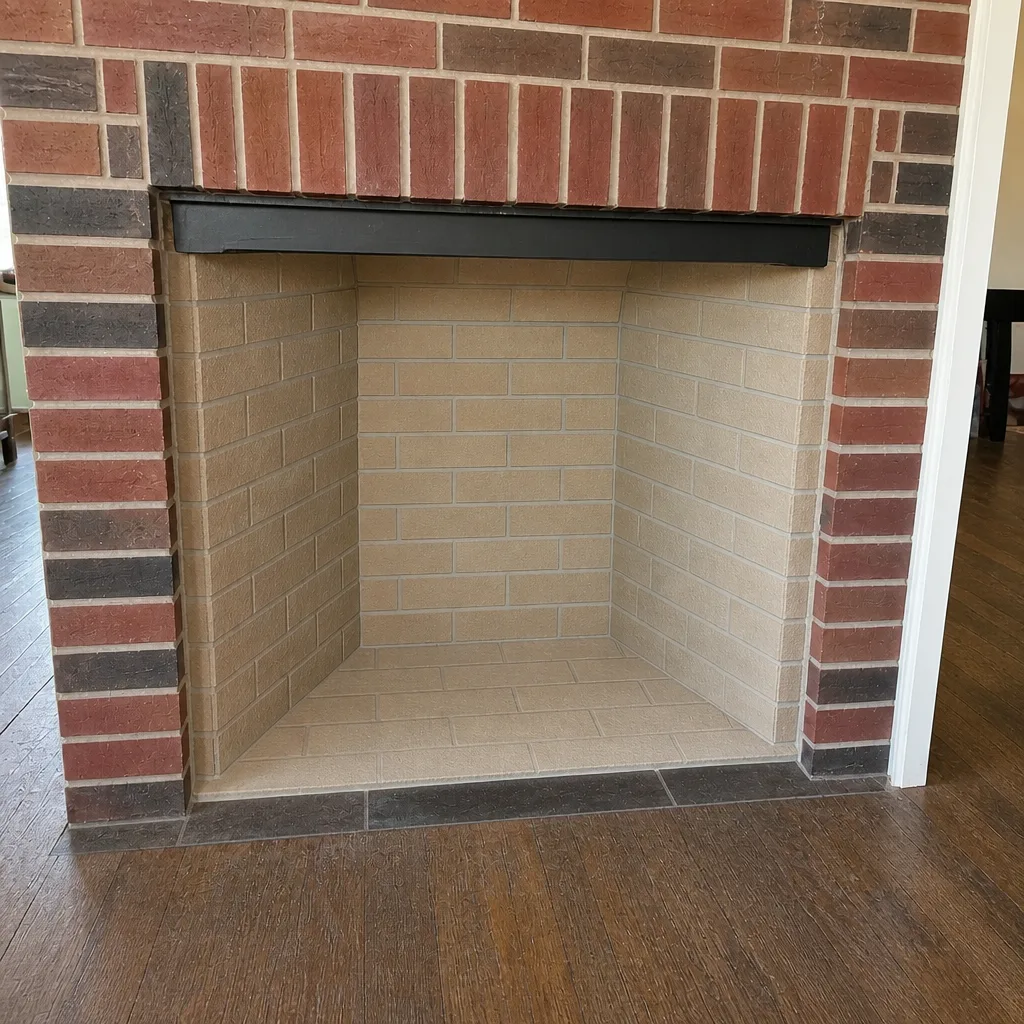
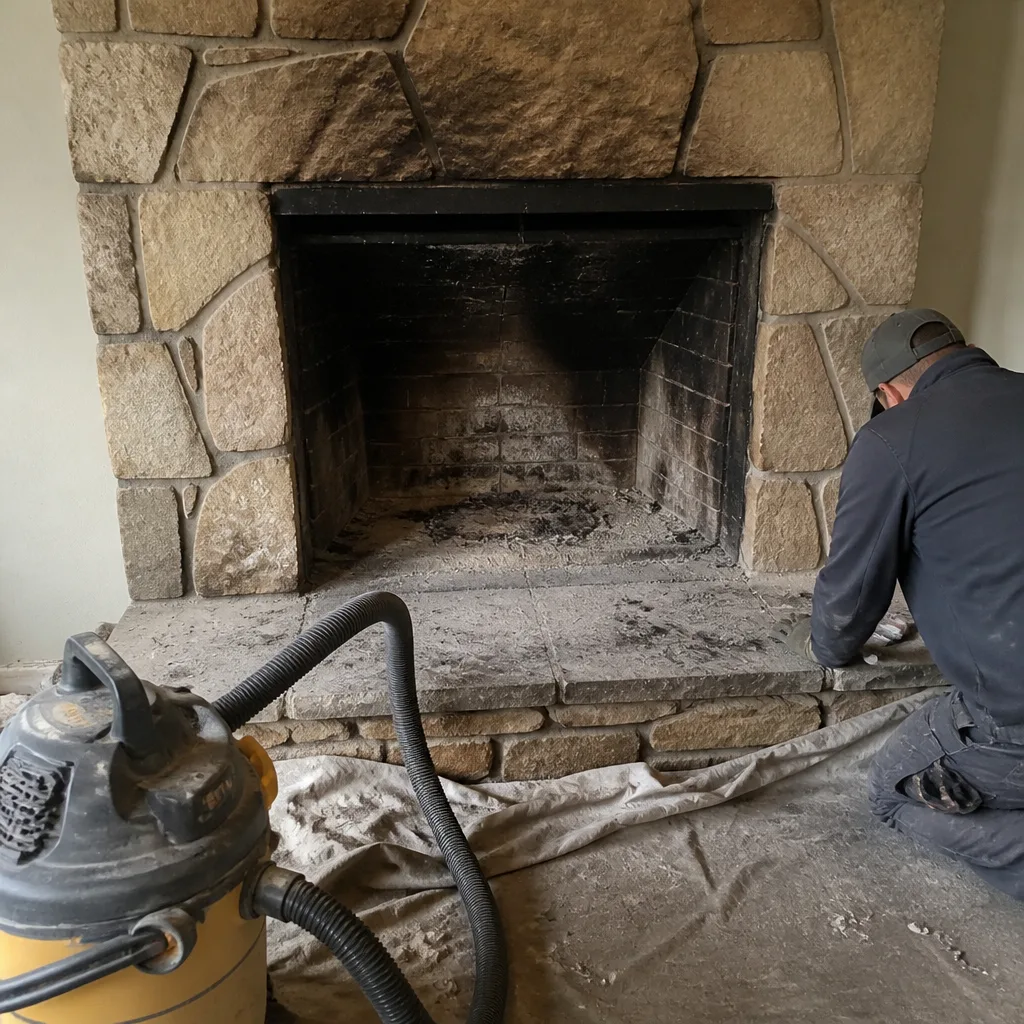
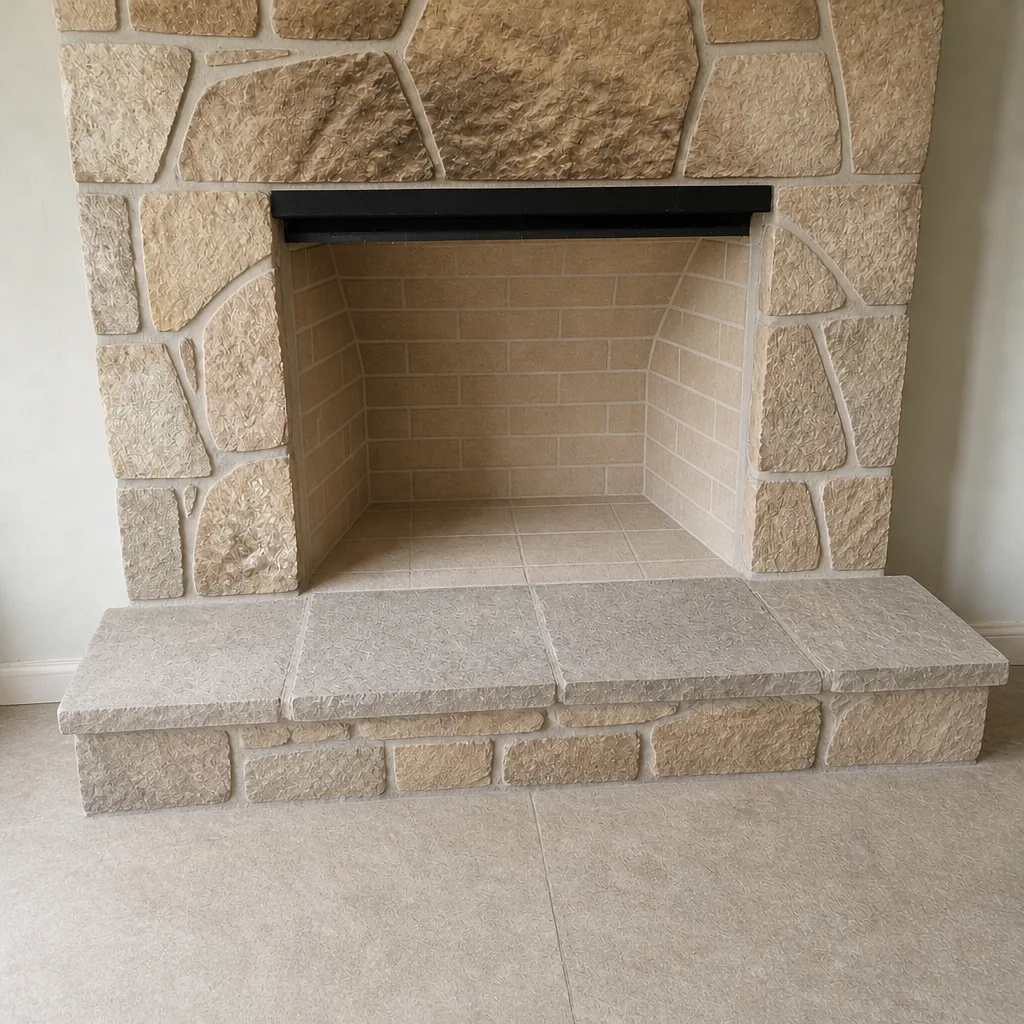
See the difference
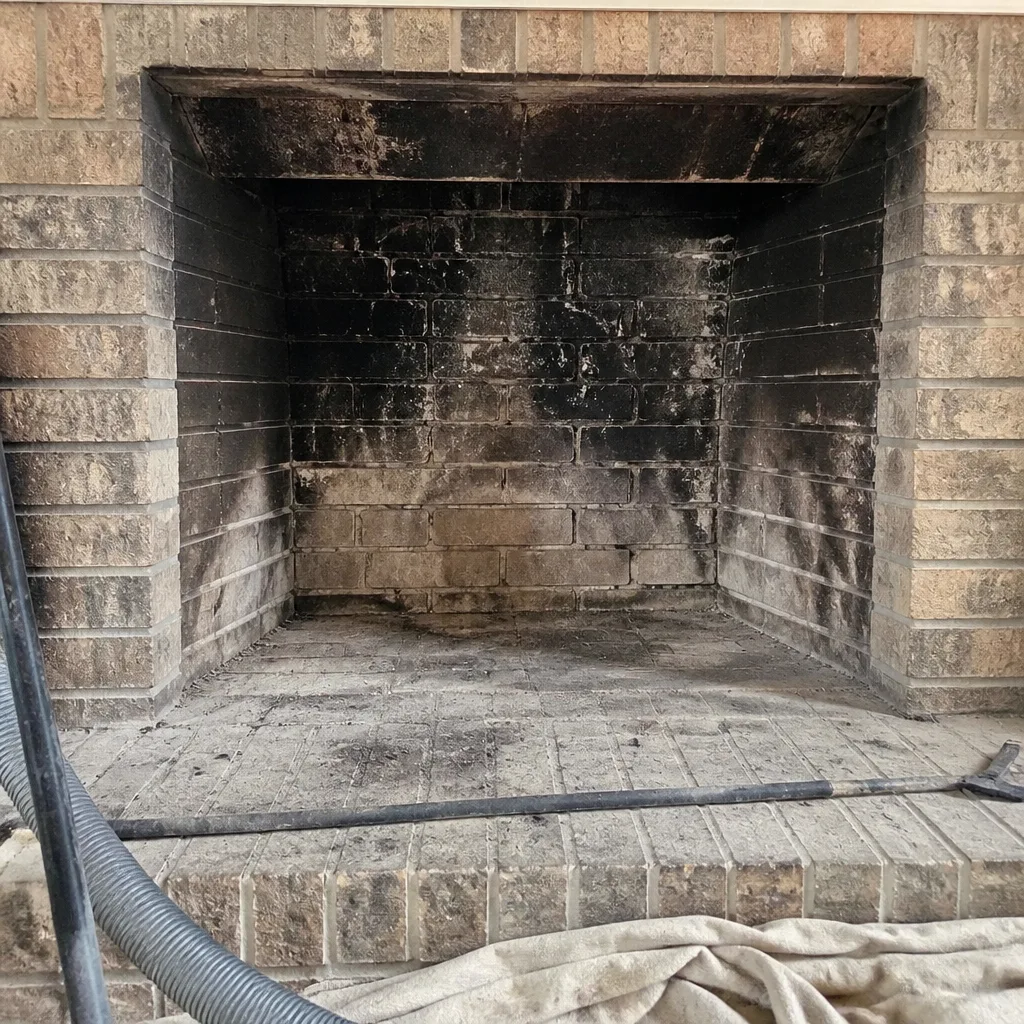 Before
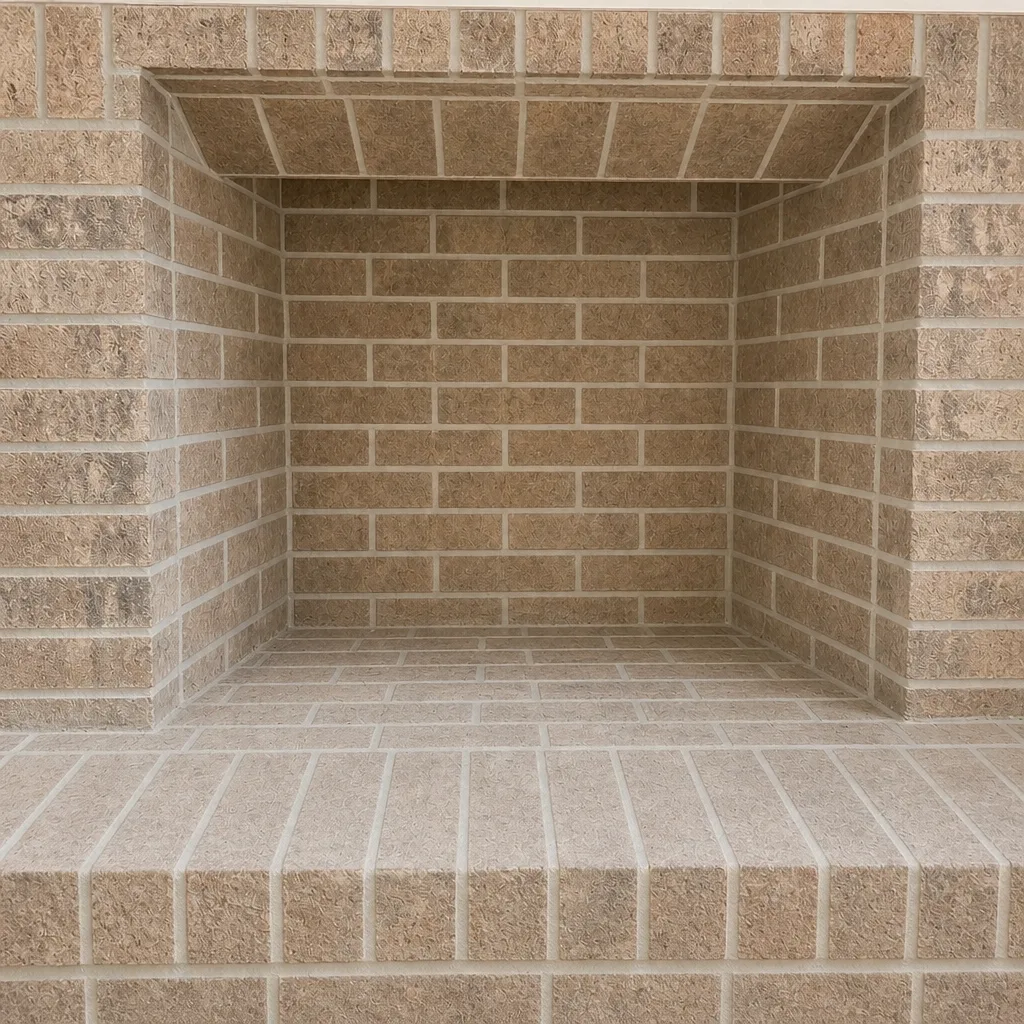 After
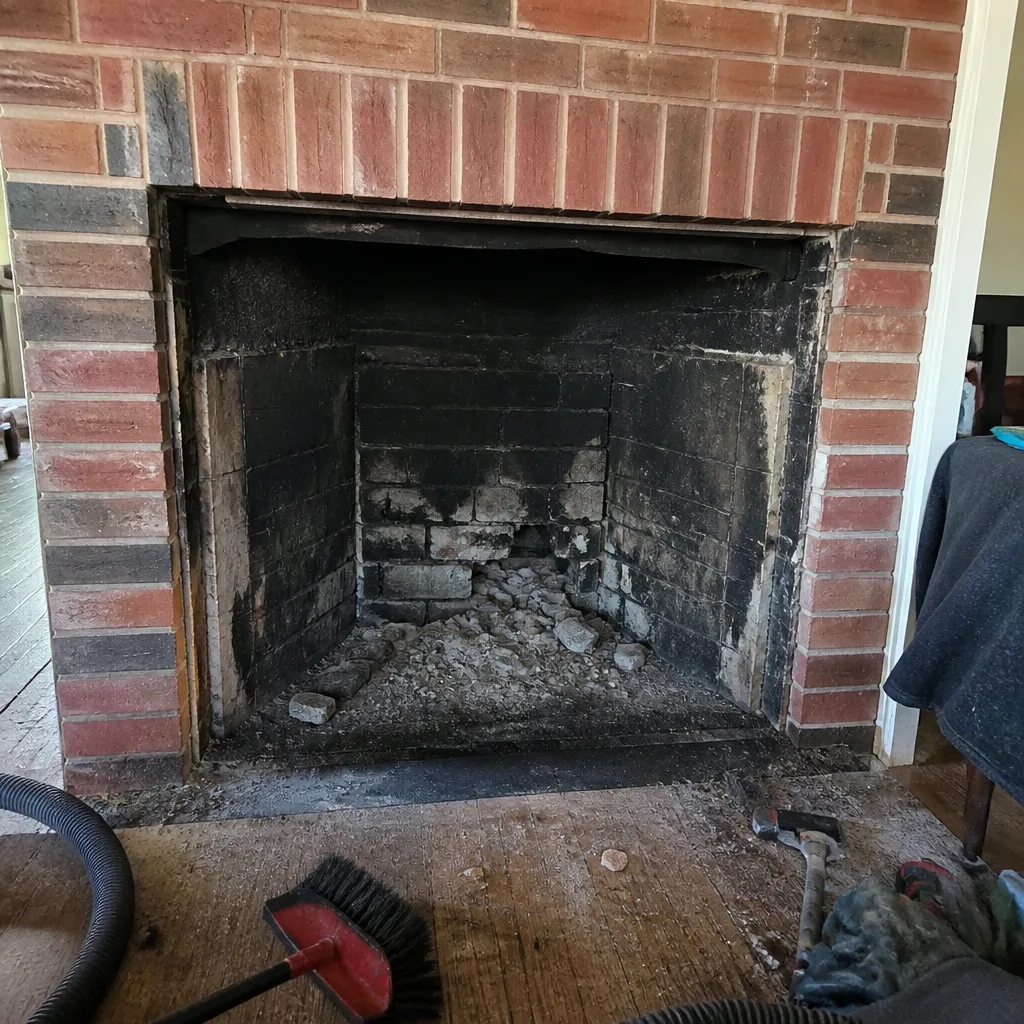 Before
 After
 Before
 After
When to Call a Professional
Some chimney issues are dangerous and some aren’t, and the difference matters. Call a professional immediately if you smell gas near a fuel-burning appliance, if you see visible cracks or damage to the firebox or flue interior, if there’s smoke backing into the room during a fire, if creosote has built up to a heavy glaze on the flue walls, or if your carbon monoxide alarm has gone off. Those are situations where trained eyes and the right equipment are the difference between a minor repair and a serious hazard. For routine annual care and before the start of each heating season, a scheduled sweep and inspection is the right call. If you’re not sure whether an issue is serious, that’s also a good reason to call – an inspection with a photo report answers the question.
Flagship Chimney Sweep offers free estimates in Broken Arrow. Call (866) 389-4464. We answer 24/7. Fast dispatch from 7am to 7pm, Sunday through Friday. Our technicians have up to 8 years of experience, and repair work is contracted through independent local professionals using recognized materials – DuraFlex, HeatShield, Gelco, Olympia Chimney, Famco, and Copperfield – because professional-grade components are the only ones we’ll put on a job.
Frequently Asked Questions
The best choice is a company that ties its recommendations to specific materials – named liner brands, recognized crown coatings, properly graded caps – and backs every recommendation with an inspection report you can review. Company reputation is a starting point; the material spec is what actually determines how long the work will last. Look for these names in the quote: DuraFlex, HeatShield, Gelco, Olympia Chimney, Famco, or Copperfield. Call (866) 389-4464 to get a free estimate on your chimney in Broken Arrow.
Stainless steel liners are the standard for wood-burning appliances because they handle high flue temperatures and resist corrosion from acidic condensate. Aluminum liners have limited application in certain low-temperature gas systems and are not appropriate for wood-burning fireplaces. If a company recommends aluminum for a wood-burning appliance, ask why before you authorize the work. Call (866) 389-4464 for an inspection that matches the liner material to your actual fuel type.
Yes, in most cases it is. Galvanized caps degrade faster under Broken Arrow’s freeze-thaw cycles and are usually the first component to fail in a full-lifetime comparison. Stainless steel resists corrosion far better, and copper is the long-life premium option. The upfront price difference is small compared to the cost of replacing a failed cap and repairing any water damage it let in. Call (866) 389-4464 to talk through cap materials for your chimney.
Ask for the video inspection and photo report before you authorize the work. Any legitimate repair recommendation will be supported by visual evidence of damage in the flue, on the crown, or at the cap. If a company recommends thousands of dollars in liner work without showing you the damage, walk away. The evidence is the whole point – you should be able to see it for yourself. Call (866) 389-4464 to schedule an inspection with a report.
Not every chimney needs a liner. When the existing flue tile is intact and the appliance matches the flue, the honest answer is often that no liner work is needed. When the flue is damaged, cracked, or undersized for the appliance, a proper stainless or cast-in-place liner is the correct long-term fix. The right approach is to have the flue inspected and let the evidence drive the recommendation. Call (866) 389-4464 for a free estimate with material recommendations tied to actual findings.
Professional crown repair and resurfacing uses product lines with published performance specs for chimney applications – HeatShield is one recognized example, with documented adhesion and flexibility properties designed for thermal cycling. Hardware-store sealants don’t carry those specs and typically fail much sooner through Broken Arrow’s freeze-thaw swings. Ask the company which product line they’ll use and why it fits your crown before you authorize the work. Call (866) 389-4464 to schedule a crown evaluation.
The Bottom Line
When you’re choosing a chimney cleaning company in Broken Arrow, look past the branding and look at the materials. The liner alloy, the crown coating, the cap grade, and the supplier relationships behind the work are what determine whether a repair holds up for a decade or fails in a few years. Ask for specific material names, ask for the spec sheet, ask for the photo report from the inspection – and you’ll be able to separate a spec-driven company from a shortcut-driven one in a single conversation. A free estimate from Flagship Chimney Sweep includes all of that, plus a written estimate that sets the price before any work begins. Call (866) 389-4464 to get started. We answer 24/7. Fast dispatch from 7am to 7pm, Sunday through Friday.
Written by the team at Flagship Chimney Sweep.